
Surveys show that shoppers who discover hidden problems often switch brands
In a world where consumers increasingly demand insight into where products come from, companies are under pressure to disclose supply‑chain details. The debate centers on whether transparency builds loyalty or backfires when it reveals flaws and the consequences for brand reputation. Companies argue that open reporting signals responsibility and can attract ethically minded shoppers. Yet critics say that the same disclosures can expose labor abuses, environmental damage, or poor quality, eroding trust and sales. The Double‑Edged Sword of Supply‑Chain Transparency When brands publish sourcing maps, customers often feel more confident in their purchases. Transparency can reduce uncertainty, especially for high‑value items like electronics or apparel. However, the moment a report highlights conflict minerals, child labor, or unsustainable practices, the same consumers may question the brand’s integrity. Industry analysts point out that the backlash is not limited to negative media.
Latest news
 Why My Kyiv Visit Worried Me So Much
 FBI Director Kash Patel to Testify Before Senate Judiciary Committee on Oversight Matters
 Hochul’s how-to guide to stopping ICE
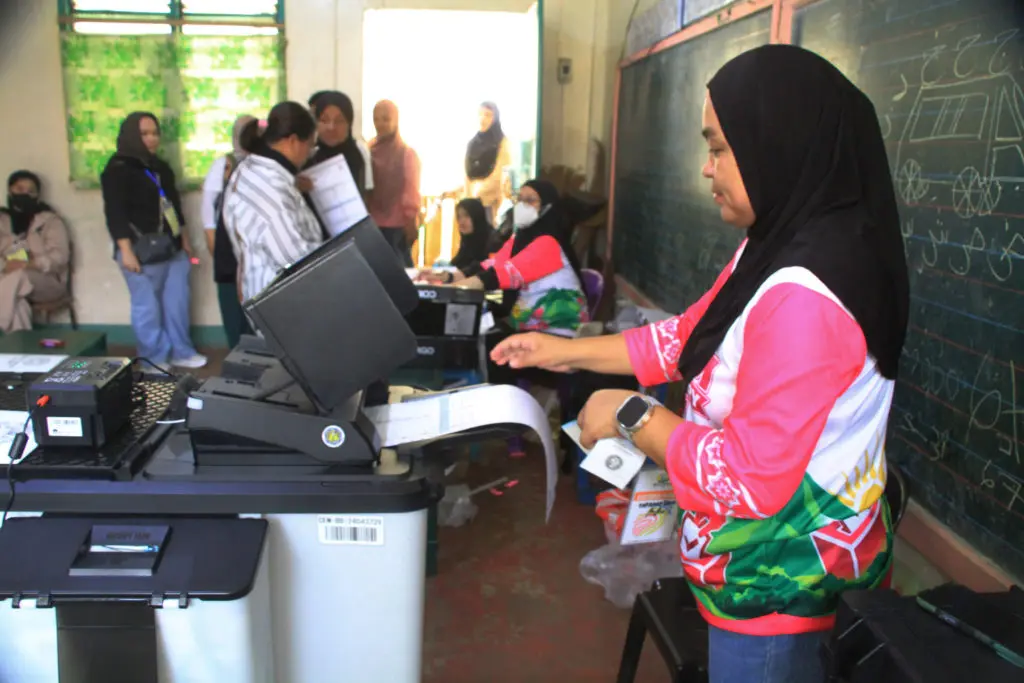 First Parliamentary Vote Marks End of Decades‑Long Conflict in Muslim Philippines
Surveys show that shoppers who discover hidden problems often switch brands, regardless of price or convenience. A single exposed flaw can ripple through a retailer’s entire product line, forcing costly recalls or redesigns. Will Consumers Pay the Price for Truth? Many consumers claim they are willing to pay a premium for products that promise ethical sourcing. Market studies suggest a 10–15% willingness‑to‑pay increase for certified goods. Yet the willingness can vanish if transparency reveals that the certification process is weak or that the supply chain is still riddled with issues. Retailers are now experimenting with tiered transparency: offering basic information to all shoppers while providing detailed audits to loyal customers. The hope is that deeper engagement will convert skepticism into advocacy, but the strategy remains untested on a large scale. The future of supply‑chain openness hinges on reliable verification.
Without independent audits, brands risk being accused of greenwashing, causing long‑term damage to consumer trust. Companies that invest in transparent, verifiable systems may gain a competitive edge, while those that only scratch the surface could face backlash. Frequently Asked Questions Q: What happens if a company’s transparency report shows a problem? A: Consumers may lose trust, reduce purchases, or demand corrective action. The company must respond promptly with remediation plans to restore confidence. Q: Do consumers truly pay more for transparent products? A: Studies indicate a modest premium for certified goods, but the willingness to pay drops sharply if the transparency reveals serious issues. Q: How can brands ensure their transparency is credible? A: By engaging third‑party auditors, publishing detailed audit results, and maintaining an open dialogue with stakeholders about ongoing improvements.