The Biology of Thermal Safety
As the world grapples with the challenges of climate change, a crucial aspect of thermal safety has often been overlooked: the biological limits of human endurance. The ability of humans to cope with extreme temperatures is not solely determined by climate action, but also by our physiological capacity to adapt and recover.
Latest news
 Swedish Voters Choose New Parliament as Left-Wing Coalition Projects to Win Majority
 Trump Announces End of US Tariff on Irish Whisky
 Frances Stonor Saunders, Author of CIA Cultural Espionage Exposé, Dies at 66
 Israel and Lebanon to Hold Security Talks in Rome This October
In recent years, researchers have made significant strides in understanding the intricate relationship between human biology and thermal safety. According to experts, the human body has a remarkable ability to adapt to temperature fluctuations, but this capacity is not limitless. Prolonged exposure to extreme temperatures can lead to heat-related illnesses, which can be fatal if left untreated.
Heat-related illnesses occur when the body's ability to cool itself is overwhelmed by the surrounding environment. This can happen when the body's sweat glands are unable to produce enough sweat to cool the skin, or when the air is too hot to dissipate heat effectively. In such situations, the body's core temperature can rise rapidly, leading to serious health complications.
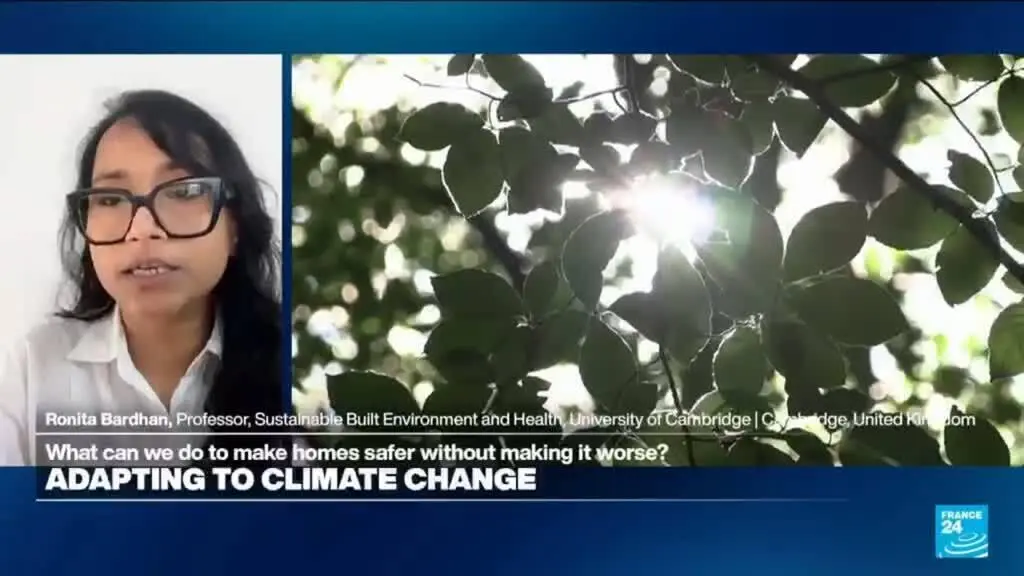
Professor Ronita Bardhan, an expert in sustainable built environments, notes that the design of buildings and urban spaces plays a critical role in determining thermal safety. „Buildings can either exacerbate or mitigate the effects of extreme temperatures,”she says. „By incorporating design elements that promote ventilation and cooling, we can reduce the risk of heat-related illnesses and create more livable cities.” Can Humans Cope with the Heat?
Frequently Asked Questions
As the planet continues to warm, the question on everyone's mind is: can humans adapt to the increasing temperatures? While humans have an impressive capacity for adaptation, there are limits to what our bodies can endure. Prolonged exposure to extreme temperatures can lead to heat exhaustion, heat stroke, and even death.
According to data from the World Health Organization, heat-related illnesses account for thousands of deaths worldwide each year. In the United States alone, heat-related illnesses result in over 1,000 deaths annually. These statistics highlight the urgent need for improved thermal safety measures, particularly in urban areas where the risk of heat-related illnesses is highest.
As the world continues to grapple with the challenges of climate change, it is essential that we prioritize thermal safety and acknowledge the critical role of biology in determining our capacity to cope with extreme temperatures. By understanding the intricate relationship between human biology and thermal safety, we can develop more effective strategies for mitigating the effects of heat-related illnesses and creating more livable cities for all.