
Escalation threatens fragile peace
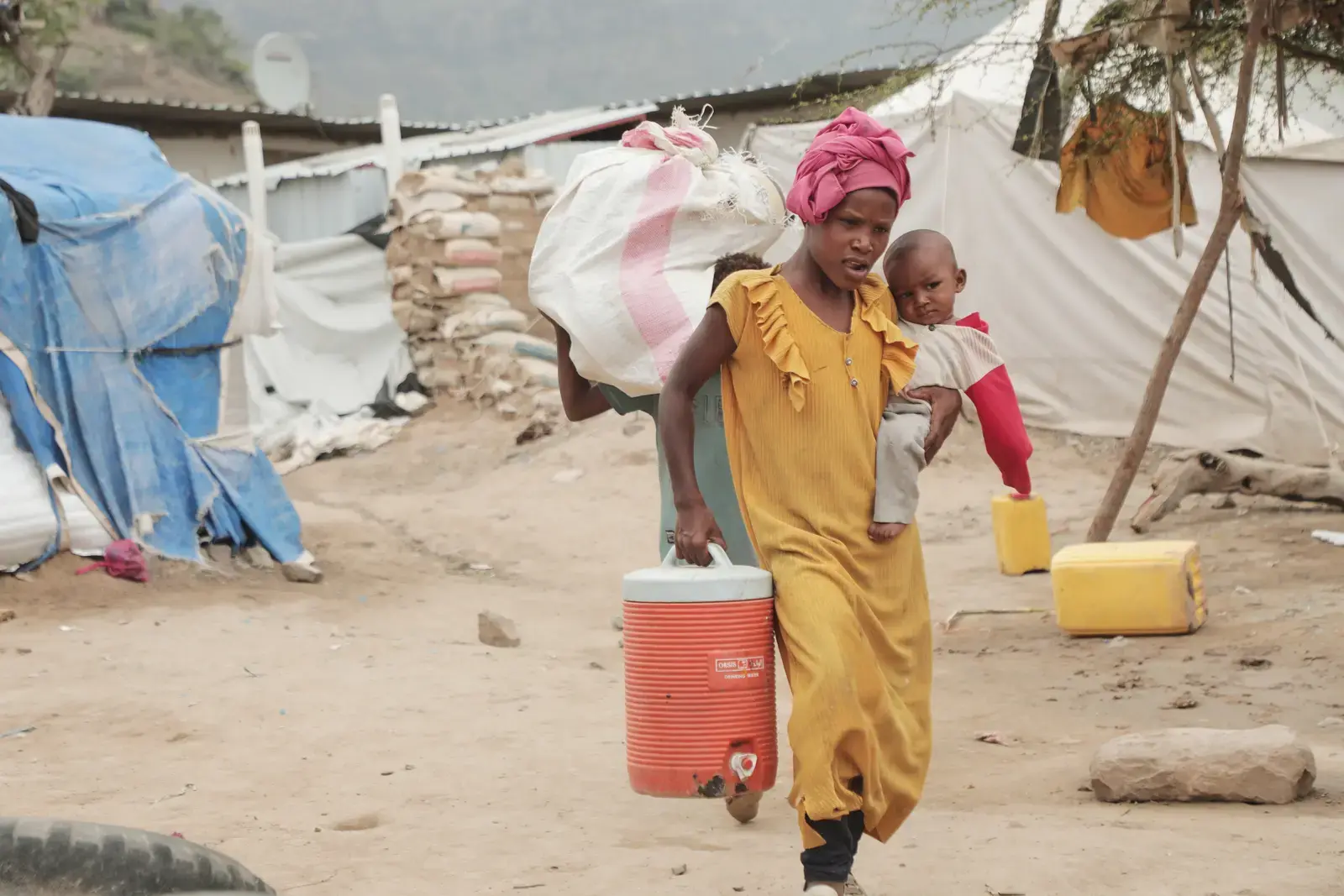
Hundreds of Tigrayans, including injured fighters, crossed into Sudan over the weekend after intense fighting erupted in Shererina, a border town in northern Ethiopia. The clash involved the Ethiopian federal army and the Tigray People’s Liberation Front, prompting a sudden humanitarian exodus toward the neighboring country.
Latest news
 Saudi Arabia Declares Mecca Attack Attempt a Red Line as Houthis Deny Involvement
 Surrey Oil Drilling Project Sold After Supreme Court Rejection
 Union leaders urge bold action for Labour leader
 Wildfire Crisis Deepens as Federal Firefighter Shortage Plagues Summer Season
The confrontation broke a three‑year‑old cease‑fire that had kept large‑scale hostilities at bay since 2022. Heavy artillery shells and drone strikes rained down on Shererina, leaving civilians scrambling for safety. Local health workers reported dozens of wounded, many of them combatants, and a surge of families seeking refuge. Officials in the Sudanese town of Um Rakuba said makeshift camps are already filling, straining limited resources. The renewed violence threatens to undo years of diplomatic effort and raises fears of a broader regional spillover.
The latest clash underscores the fragility of Ethiopia’s peace accord with the Tigray region. Analysts point to lingering mistrust between Addis Ababa and Tigrayan leaders as a key factor behind the breakdown. The federal army claims it acted in self‑defence after alleged incursions by TPLF forces, while the rebels accuse the government of targeting civilian areas. International observers have warned that any breach of the cease‑fire could reignite full‑scale war, destabilising the Horn of Africa. Humanitarian agencies are now scrambling to deliver aid across a porous border, but access remains hampered by security concerns and limited infrastructure.
Will the peace accord survive another breach?
Stakeholders remain divided on the durability of the agreement. Some regional leaders argue that the cease‑fire can be salvaged through renewed dialogue and confidence‑building measures, urging both sides to halt offensive operations immediately. Others contend that repeated violations signal a deeper collapse, suggesting that a new political framework may be required to address underlying grievances. The United Nations has called for an urgent cease‑fire, emphasizing that continued fighting will only exacerbate the refugee crisis and threaten regional stability. As diplomatic channels reopen, the next few days will be critical in determining whether the conflict escalates or de‑escalates.
The mass movement of Tigrayan civilians into Sudan adds pressure to already strained refugee camps and could prompt a broader humanitarian response. If hostilities continue, more displaced persons are likely to follow, potentially sparking cross‑border tensions. International actors are expected to increase diplomatic engagement, but the immediate priority remains securing safe passage for those fleeing violence and preventing further loss of life.
Frequently Asked Questions
Why did fighting break out in Shererina after years of relative calm? Both the Ethiopian army and Tigrayan rebels accused each other of violating the cease‑fire, leading to an exchange of artillery and drone fire that quickly escalated.
How many people have crossed into Sudan so far? Local authorities estimate several hundred Tigrayans, including wounded combatants and families, have entered Sudan since the clashes began over the weekend.
What is the international community doing to address the crisis? The United Nations and several NGOs have issued urgent appeals for humanitarian aid, while diplomatic missions are urging both sides to respect the cease‑fire and resume peace talks.