
Diplomatic Breakthrough Sets New Boundaries
President Donald Trump told reporters at Morristown Municipal Airport on Friday that the United States would stop all planned air strikes against Iran. He said the decision followed the establishment of „perimeters of a deal” in ongoing diplomatic talks. The announcement came after a trip to Camp David and a brief appearance on Air Force One.
Latest news
 Former CIA Analyst Speaks Out After Being Fired by the Trump Administration
 Women’s Rights Activists Rally in Paris Over Sexual Violence Legislation
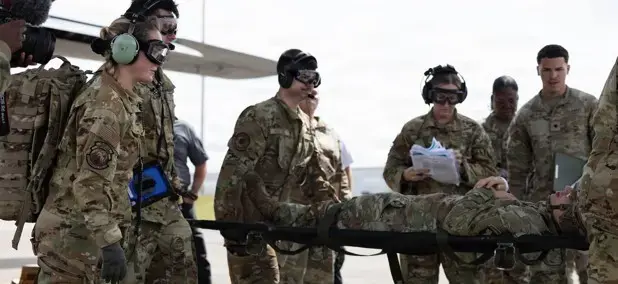 Audit Reveals Critical Flaws in Middle East Medevac Plans
 EU MEP Warns of AI Risks and Calls for Global Treaty Leadership
The move marks a sharp reversal from earlier statements that warned of imminent military action. Trump said confidence in a peace agreement had eroded, prompting the cancellation of the attacks. Officials indicated that back‑channel negotiations between Washington and Tehran had finally produced a tentative framework. The framework reportedly includes limits on Iranian missile deployments and a pathway to nuclear restrictions. U. S. military planners are now reviewing the order to stand down, while regional allies watch the situation closely.
Negotiators say the „perimeters” refer to specific geographic zones where Iranian forces may operate without provoking U. S. response. Tehran has agreed to pull back certain assets from the Strait of Hormuz, a key shipping lane. In exchange, Washington will suspend the pending strike plan and lift some sanctions on Iranian oil exports. Analysts note that the agreement, though provisional, could reshape the balance of power in the Middle East.
Will the Pause Prevent Further Escalation?
The talks were facilitated by senior officials from both sides, who met in secret locations over the past month. Sources close to the negotiations reported that the United States offered a phased approach, linking each step to verification measures. Iran, meanwhile, sought assurances that its regional influence would not be undermined. The resulting compromise reflects a mutual desire to avoid a costly conflict that could destabilize global oil markets.
Experts argue that the suspension of strikes may buy time for diplomatic channels to solidify the deal. If the perimeters hold, both nations could avoid a spiral of retaliation that has plagued the region for years. However, skeptics warn that any breach of the agreed zones could reignite hostilities within days. The United Nations has called for transparent monitoring to ensure compliance, while NATO allies remain cautious, emphasizing the need for a durable, verifiable agreement.
The immediate effect of Trump’s announcement is a de‑escalation of tensions that had raised alarm across Europe and Asia. Markets responded with a modest rise in oil prices, reflecting reduced war risk. Looking ahead, the United States will likely maintain a heightened alert status until the deal’s terms are fully implemented. Tehran’s next steps will be scrutinized, and any deviation could prompt a swift reversal of the current pause.
Frequently Asked Questions
What exactly are the „perimeters” mentioned by Trump? They are defined geographic limits where Iranian military activity is allowed without triggering U. S. retaliation, primarily around the Persian Gulf and the Strait of Hormuz.
Will the cancellation of strikes affect U. S. troops stationed in the region? The decision reduces immediate combat risk for U. S. forces, but troops remain on alert pending verification of Iranian compliance with the agreement.
How likely is it that the provisional deal will become permanent? Success depends on rigorous monitoring and both parties honoring their commitments; any breach could collapse the arrangement and revive military options.