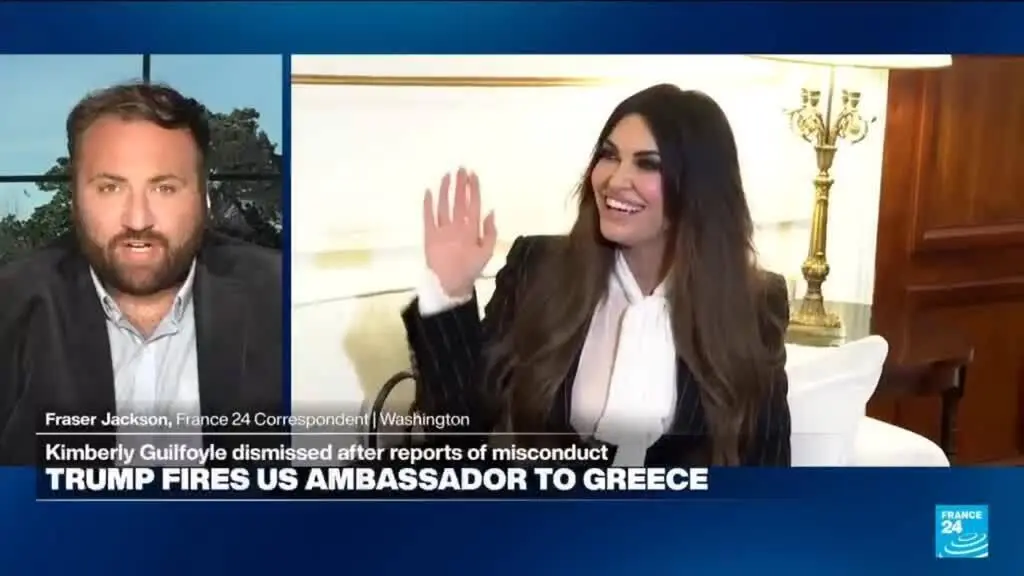
Why Guilfoyle’s Tenure Drew Scrutiny
President Donald Trump’s administration has requested the resignation of Kimberly Guilfoyle, the U. S. ambassador to Greece, following an ethics investigation into her conduct. The request came amid growing scrutiny over her financial disclosures and potential conflicts of interest tied to her prior role as a senior advisor to the Trump campaign. Guilfoyle, appointed in 2020, has served as the top U. S. diplomat in Athens since her confirmation. The move reflects broader efforts by the administration to address ethical concerns among political appointees, particularly those with close ties to the former president’s inner circle. Officials confirmed the request was made privately but acknowledged it signals a shift in how the administration handles appointee accountability.
Latest news
 Singapore Economic Growth Moderates Amid Global Market Shifts
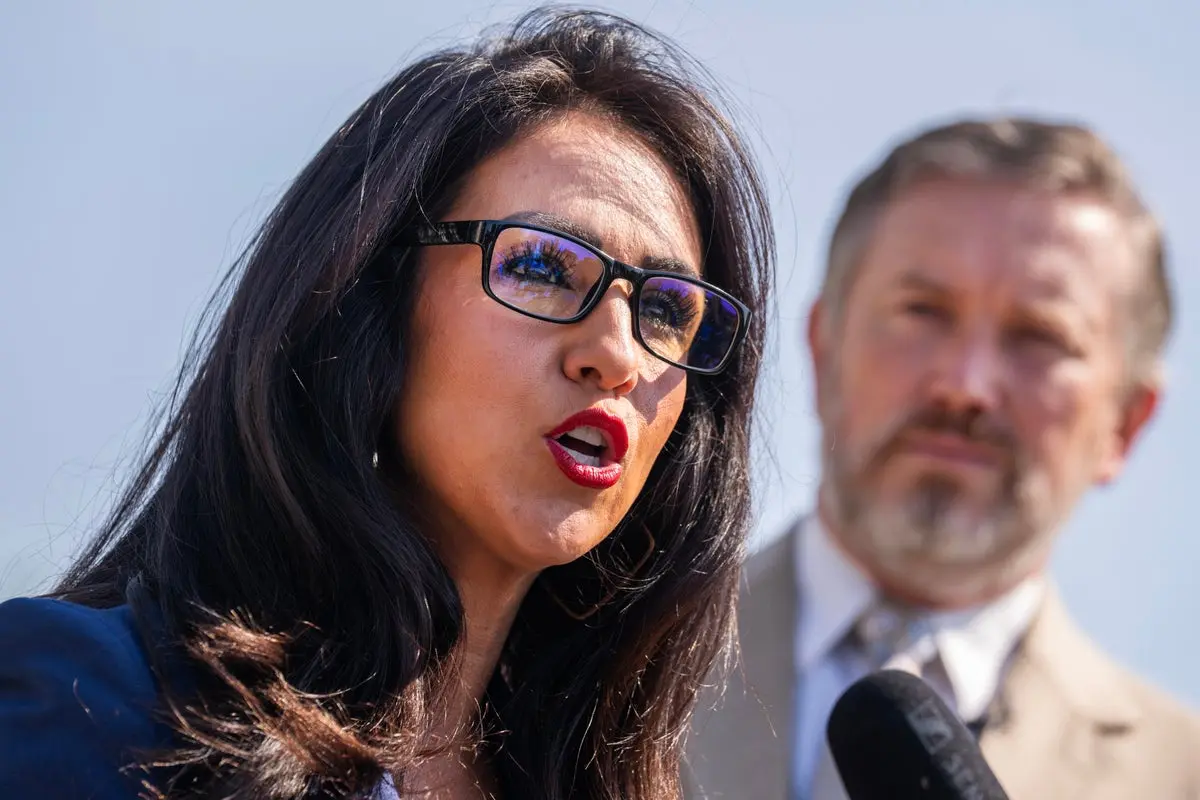 US Lawmaker Opposes Escalation With Iran
 Rising Temperatures Transform Swedish Vineyards into Global Contenders
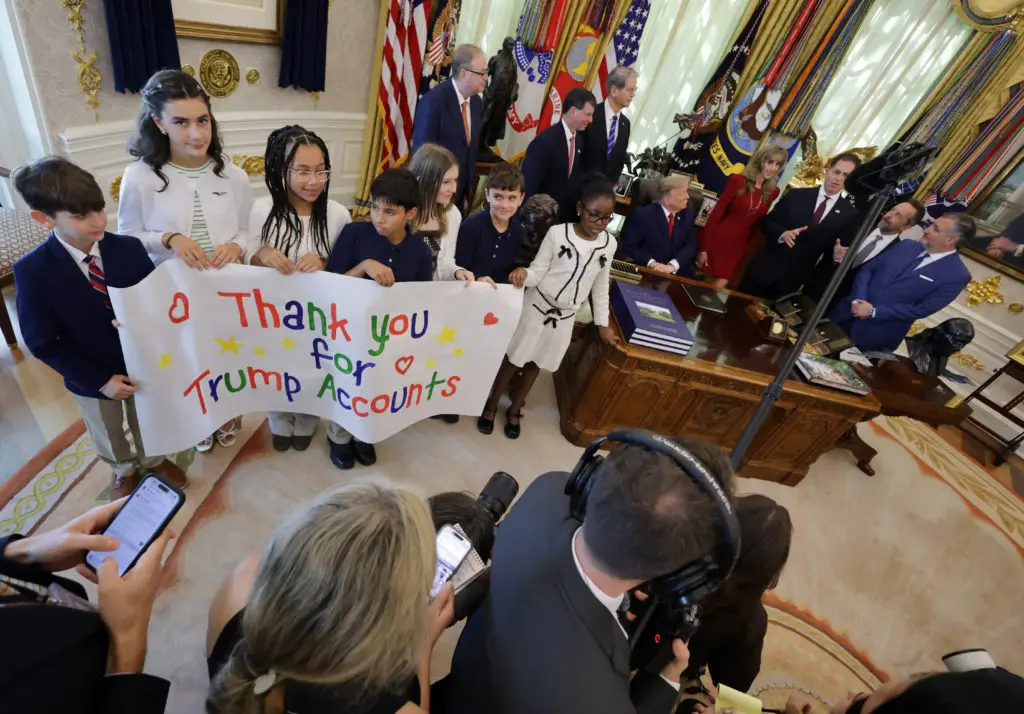 Millions of Children Enrolled in New Federal Savings Program
Guilfoyle’s ambassadorial role became controversial after watchdog groups raised questions about her failure to fully divest from certain business interests before taking office. Ethics officials noted discrepancies in her public financial reports, including undisclosed income from media appearances and consulting work linked to her political activities. While no formal charges were filed, the Office of Government Ethics advised that her continued service could undermine public trust in diplomatic appointments. Critics argued her presence in Athens blurred the line between official duties and partisan advocacy, especially given her frequent appearances on conservative news networks. Supporters, however, defended her record, citing her work strengthening U. S.-Greece defense cooperation and economic ties during a period of regional instability.
How Has Greece Responded to the Diplomatic Shift?
Greek officials have publicly downplayed the situation, emphasizing continuity in bilateral relations despite the ambassadorial uncertainty. Athens has maintained that the U. S.-Greece strategic partnership remains strong, particularly in areas like military coordination and energy security. Behind the scenes, however, diplomats expressed concern that the abrupt change could disrupt ongoing negotiations over defense investments and NATO-related initiatives. Some analysts suggest the timing complicates U. S. efforts to counterbalance Russian and Chinese influence in the Eastern Mediterranean. Still, Greek leaders have avoided direct criticism of the Trump administration, opting instead to stress the institutional resilience of the alliance.
The Guilfoyle case may signal a stricter vetting process for future political ambassadors, particularly those with high-profile political backgrounds. Ethics experts warn that without clearer divestment rules and enforcement mechanisms, similar controversies could recur. The incident also highlights the tension between loyalty-driven appointments and the need for impartial diplomatic representation. As the Biden administration reviews its own cadre of envoys, the episode serves as a cautionary tale about the risks of blending campaign roles with sensitive overseas posts. Long-term, it could prompt renewed calls for reform in how the State Department oversees ambassadorial ethics and accountability.
What Does This Mean for Future U. S. Appointments?
Why was Kimberly Guilfoyle asked to resign? She was asked to step down due to ethics concerns involving incomplete financial disclosures and potential conflicts of interest tied to her prior political work and media engagements.
Frequently Asked Questions
Did Greece request her removal? No, the request came solely from the Trump administration; Greek officials have not publicly called for her resignation and have emphasized maintaining stable relations.
Could this affect U. S.-Greece cooperation? While officials stress the partnership remains strong, some analysts warn that leadership gaps in the embassy could slow progress on defense and energy projects currently under discussion.