
Shifting Power Dynamics at Play
President Trump informed Congress a ceasefire is in effect. He asserts this development means he doesn’t require congressional authorization for military action against Iran. The communication came after tensions escalated earlier this month. It effectively bypasses a recent attempt by lawmakers to limit his war powers.
Latest news
 Former CIA Analyst Speaks Out After Being Fired by the Trump Administration
 Women’s Rights Activists Rally in Paris Over Sexual Violence Legislation
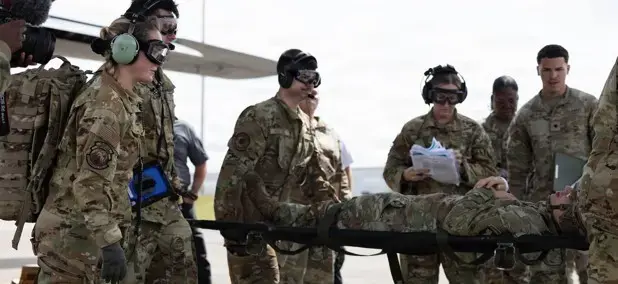 Audit Reveals Critical Flaws in Middle East Medevac Plans
 EU MEP Warns of AI Risks and Calls for Global Treaty Leadership
The President’s letter to Congress argues the recent de-escalation renders the War Powers Resolution debate moot. He stated hostilities „have ceased” following the agreement. This position challenges the constitutional authority of Congress to declare war. Lawmakers had sought to reaffirm their role in authorizing military engagements.
The recent exchange highlights a long-standing tension between the executive and legislative branches. Trump has consistently expressed frustration with congressional oversight. He views it as hindering his ability to act decisively on foreign policy. This latest move reinforces that stance. It suggests a willingness to operate independently, even when facing legislative opposition.
Will Congress Challenge the President?
The initial escalation stemmed from the killing of Iranian General Qassem Soleimani. The U. S. justified the strike as a defensive action. Iran responded with missile attacks on Iraqi bases housing American troops. These events brought the two nations to the brink of wider conflict. A ceasefire, brokered through diplomatic channels, ultimately prevented further immediate escalation.
Congress passed a resolution last week aimed at limiting Trump’s military actions against Iran. The resolution, while symbolic, signaled strong disapproval of the administration’s approach. It required the President to seek congressional approval for any further military engagement. Trump’s letter now dismisses that requirement. He claims the ceasefire negates the need for such authorization.
Legal experts are divided on the validity of Trump’s interpretation. Some argue the President is overstepping his authority. They maintain Congress retains its constitutional power to declare war, regardless of a ceasefire. Others suggest the President has some leeway in interpreting the War Powers Resolution. This disagreement could lead to a legal battle.
The situation raises concerns about the future of U. S. foreign policy. Trump’s actions could set a precedent for future presidents. It could diminish Congress’s role in decisions regarding war and peace. The long-term consequences remain uncertain. However, it is clear the relationship between the White House and Capitol Hill is strained.
Frequently Asked Questions
What is the War Powers Resolution? The War Powers Resolution is a congressional act passed in 1973. It aims to limit the President’s power to commit the U. S. to armed conflict without congressional consent. It requires presidents to notify Congress within 48 hours of deploying troops.
Does a ceasefire automatically negate the need for congressional approval? Not necessarily. Legal scholars debate this point. Some argue congressional authorization remains necessary, even with a ceasefire, to prevent future escalation.
What are the potential consequences of this dispute? This dispute could lead to legal challenges and further erode trust between the executive and legislative branches. It could also impact the U. S.'s ability to respond effectively to future international crises.