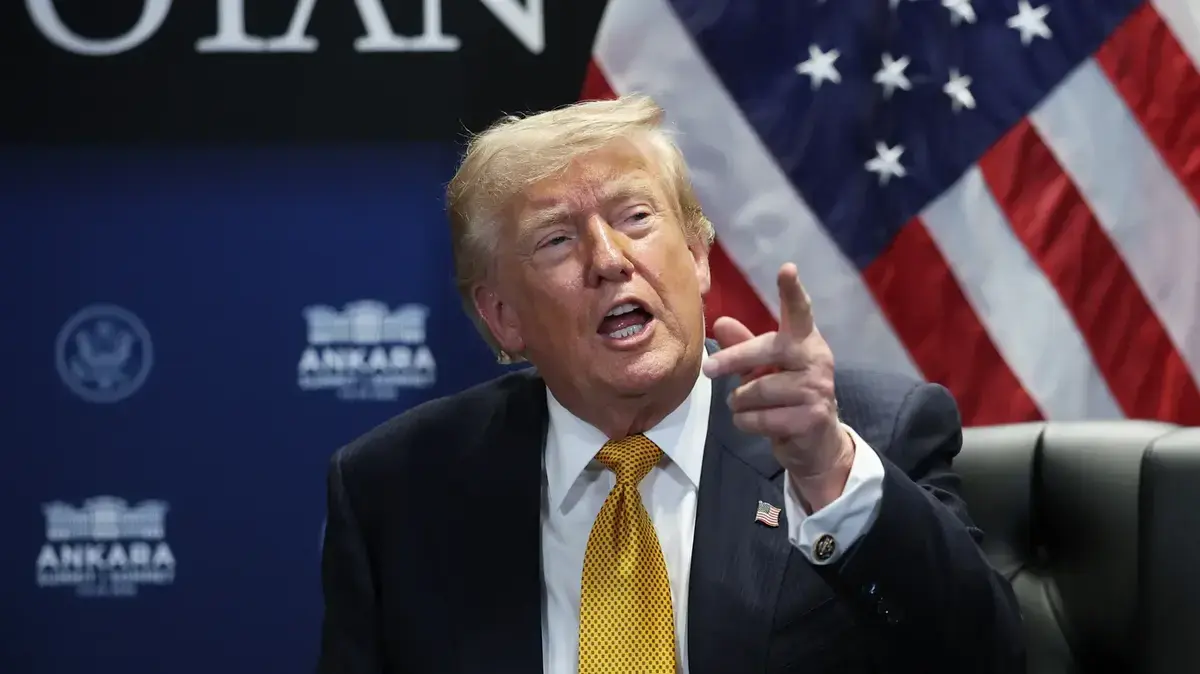
Escalating Rhetoric and Actions
President Trump announced Wednesday that a temporary ceasefire with Iran has ended. This declaration comes just three weeks after he characterized the agreement as an unconditional surrender. The move signals a significant shift in the administration's stance toward the Middle Eastern nation.
Latest news
 Swedish Voters Choose New Parliament as Left-Wing Coalition Projects to Win Majority
 Trump Announces End of US Tariff on Irish Whisky
 Frances Stonor Saunders, Author of CIA Cultural Espionage Exposé, Dies at 66
 Israel and Lebanon to Hold Security Talks in Rome This October
The change in rhetoric follows renewed attacks on ships in the Strait of Hormuz. These incidents challenge the administration's narrative that the recent conflict had concluded. The United States had previously fired upon Iranian drones in the region.
What Triggered This Reversal?
The president's language has evolved dramatically. He initially boasted of Iran's unconditional surrender. Now, he states the ceasefire is over,indicating a more aggressive posture. This shift suggests a growing frustration with Iran's actions.
The Strait of Hormuz is a critical shipping lane. Attacks there disrupt global oil supplies and raise international concerns. The recent incidents highlight the volatile nature of the region.
# What is the Strait of Hormuz?
The primary driver for this policy reversal appears to be Iran's recent aggression. Attacks on commercial shipping vessels cannot be ignored. These actions directly undermine any claims of a peaceful resolution.
The administration faces pressure to respond firmly. Maintaining credibility on the global stage is crucial. The president's declaration reflects a commitment to protecting American interests and allies.
# Why is the US concerned about attacks in the Strait of Hormuz?
The situation remains highly fluid. Further military or diplomatic actions could follow. The international community watches closely for developments in this tense standoff.
The Strait of Hormuz is a narrow waterway connecting the Persian Gulf to the open ocean. It is a strategically vital chokepoint for global oil shipments. Many countries rely on this route for energy transport.
# What does unconditional surrendermean in this context?
The US is concerned because these attacks threaten international shipping and global energy security. They also destabilize a critical region and could escalate into broader conflicts. Protecting freedom of navigation is a key US policy.
When President Trump used unconditional surrender,he implied that Iran had completely yielded to US demands without any conditions or negotiations. This phrase suggested a decisive victory for the US in the initial skirmish.