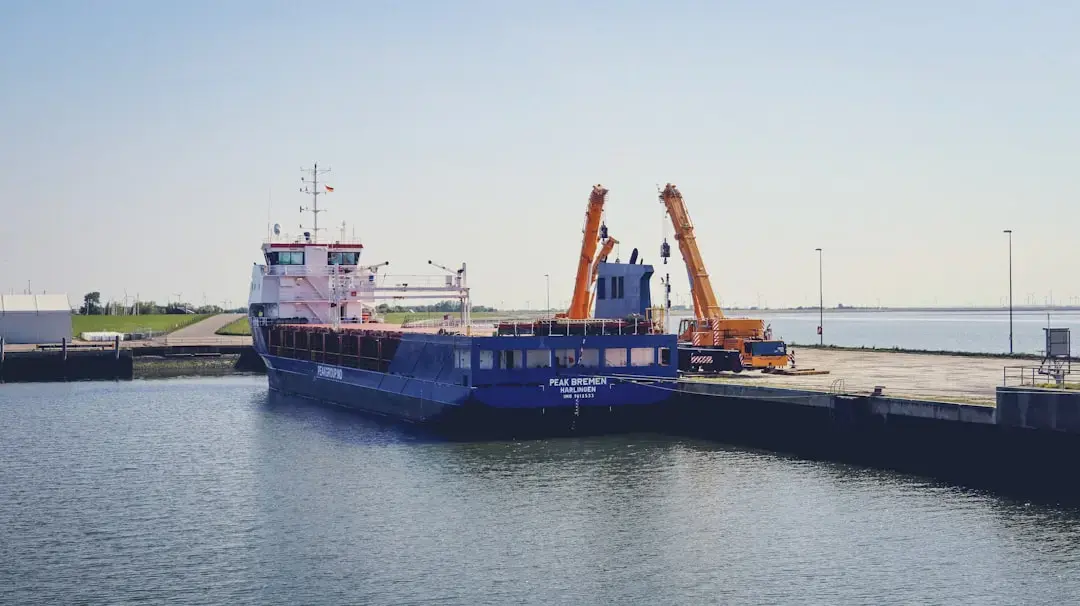
Limited Initial Response
Donald Trump launched „Project Freedom” this week. The initiative aimed to provide safe passage for ships stuck in the Strait of Hormuz. It began Monday, but details remain unclear and the operation appears inactive. The announcement surprised many observers.
Latest news
 UN Report Accuses US and Iran of Serious Human Rights Violations
 Canada Eyes EU Associate Membership Under Prime Minister Mark Carney
 Fiji Declares National Emergency Over Rapid HIV Surge
 Israeli Forces Detain Palestinian Journalist in Ramallah Raid
Trump described the project as a way to ensure freedom of navigation. He cited recent attacks on tankers in the region as justification. The Strait of Hormuz is a vital waterway for global oil shipments. Roughly one-fifth of the world’s oil passes through it daily. Tensions have been rising between the U. S. and Iran for months. These tensions created a perceived need for increased security.
Initial reports indicated the U. S. Navy would actively escort commercial vessels. However, no such escorts have been publicly confirmed. The Pentagon stated they were prepared to assist if requested by shipping companies. So far, no formal requests for military escorts have materialized. Some analysts suggest ship owners are wary of drawing attention. They fear being targeted by Iran if they accept U. S. protection.
Is This a Symbolic Gesture?
The announcement came after several incidents involving oil tankers. These tankers experienced attacks or were seized near the Strait of Hormuz. The U. S. blamed Iran for these actions, but Tehran denies involvement. The situation prompted concerns about potential disruptions to global oil supplies. Trump’s „Project Freedom” was presented as a solution to these concerns.
Questions remain about the long-term viability of the project. Without active participation from shipping companies, its effectiveness is limited. Some experts believe the announcement was primarily a show of force. It aimed to demonstrate U. S. resolve in the face of Iranian aggression. Others suggest it was an attempt to reassure allies and partners.
The lack of visible progress raises doubts about the project’s operational capacity. It's unclear if the U. S. has the resources to consistently escort ships. Maintaining a constant naval presence in the Strait of Hormuz would be costly. It would also require significant logistical support. The current situation suggests „Project Freedom” may be more symbolic than substantive.
Frequently Asked Questions
The future of „Project Freedom” is uncertain. If tensions with Iran de-escalate, the need for such an operation may diminish. However, if attacks on shipping continue, pressure may mount for a more robust response. For now, the project remains largely inactive, awaiting a clear signal from the shipping industry.
What is the significance of the Strait of Hormuz? The Strait of Hormuz is a strategically important waterway. It connects the Persian Gulf with the Arabian Sea and the Indian Ocean. A large percentage of the world's oil supply travels through this narrow passage.
Why haven’t shipping companies requested escorts? Shipping companies may be hesitant to request military escorts. Accepting protection could potentially make their vessels targets. It could also increase insurance costs and logistical complications.