Shifting Security Responsibilities in Mogadishu
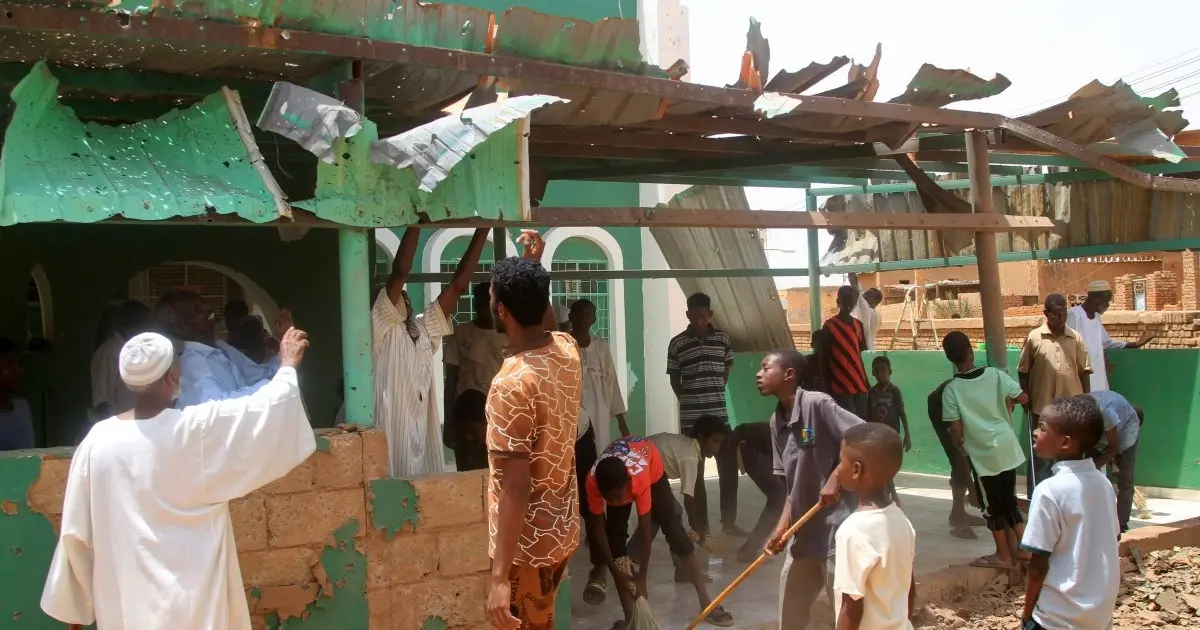
Uganda has officially started withdrawing its military personnel from Somalia, marking the beginning of the end for a nearly twenty-year security mission. The Ugandan military confirmed on Monday that the initial group of soldiers has already returned home. This departure signals a major shift in the long-standing international effort to stabilize the Horn of Africa.
Latest news
 Bulgarian Vice President Iliana Iotova Secures Re-election Amid Regional Tensions
 Marvell to Acquire Lumentum in $115 Billion AI Chip Deal
 Steve Ellis, Lead Singer of Love Affair, Dies at 76
 Can Americans Still Find Common Ground Amid Michigan’s Senate Fight?
The country was the first to deploy troops to Somalia in 2007 as part of a regional coalition. These forces played a vital role in countering insurgent groups and protecting the fragile government in Mogadishu. The current withdrawal is being carried out in phases to ensure a controlled transition of security responsibilities.
For nearly two decades, Ugandan soldiers served as the backbone of the African Union-led mission. Their presence was essential in pushing back militants who sought to destabilize the region. By maintaining a constant military footprint, these troops allowed for the gradual development of local governance and infrastructure.
Will Local Forces Maintain Regional Stability?
The decision to pull back follows a broader strategy to eventually hand over full security control to Somali national forces. Military officials stated that the phased approach is necessary to maintain stability during this transition period. The withdrawal reflects a maturing security landscape where local authorities are expected to take a more prominent role.
The departure of experienced international troops raises questions about the future of the mission. Analysts are closely watching how the Somali army manages the security vacuum left by departing coalition members. Ensuring the safety of civilians remains the primary concern for regional leaders overseeing the drawdown.
Frequently Asked Questions
The long-term success of this transition depends on the readiness of local security units to hold territory against persistent threats. If the handover proceeds as planned, it will mark a significant milestone in Somalia’s path toward self-reliance. However, the international community remains cautious about the potential for insurgent groups to exploit the changing security dynamics.
What prompted the withdrawal of Ugandan troops? The withdrawal is part of a planned, phased transition intended to hand over security responsibilities to the Somali national government. It follows nearly two decades of international peacekeeping efforts in the region.
What impact will this have on the region? The move shifts the burden of security onto local forces. The international community is monitoring the transition closely to ensure that the progress made against insurgents is not reversed.