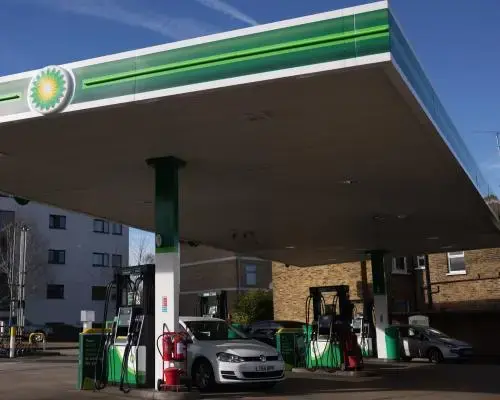
Escalating Costs at the Pump
British inflation reached 3.1 percent in August, according to official data released by the Office for National Statistics. This increase from July’s 2.9 percent rate reflects growing economic pressure on households across the United Kingdom. Rising costs for motor fuel and transportation services served as the primary drivers for this monthly jump.
Latest news
 Anthropic Announces $31 Billion Data Centre Deal in Western Queensland
 Veteran Journalist Hugh Riminton Announces Retirement After Nearly Five Decades
 How the 1980s Permanently Shaped America
 Victorian Police Gain Random Stop-and-Search Powers Under New Jacks Law
The sharp uptick in consumer prices stems largely from the global energy crisis. Ongoing geopolitical tensions, specifically the conflict involving Iran, have disrupted fuel supplies and pushed costs significantly higher. Motor fuel prices alone have surged by nearly 25 percent, placing a heavy burden on the average consumer’s budget.
The dramatic rise in fuel prices is the most visible sign of current inflationary pressures. Families are paying substantially more to fill their vehicles compared to earlier this summer. These transport costs create a ripple effect, as higher shipping and logistics expenses eventually inflate the price of various consumer goods.
Will Interest Rates Rise Soon?
Economists note that this trend complicates the financial landscape for everyday citizens. While wages have remained relatively stagnant, the cost of essential services and travel continues to climb. This disparity forces many households to reevaluate their monthly spending habits to accommodate the rising cost of living.
The Bank of England now faces a difficult decision regarding national interest rates. Officials must balance the need to curb inflation against the risk of stifling economic growth. Analysts suggest that the central bank will carefully monitor these new figures before finalizing their upcoming monetary policy decisions.
If inflation remains stubbornly high, policymakers may feel compelled to raise interest rates to cool the economy. However, such a move could increase borrowing costs for homeowners and businesses alike. The coming weeks will be critical as the government weighs its options to stabilize the national economy.
Frequently Asked Questions
What caused the sudden rise in inflation? The primary cause is a sharp increase in motor fuel and transportation costs. These price hikes were triggered by global instability linked to the war involving Iran.
How does this affect the average British household? Higher fuel prices increase the cost of commuting and shipping, which raises the overall cost of living. This effectively reduces the purchasing power of families across the country.
What is the Bank of England likely to do? The central bank is currently reviewing these figures to determine if interest rate adjustments are necessary. They must weigh the need to control inflation against the potential impact on economic growth.