The Hidden Cost of Cheap Disposal
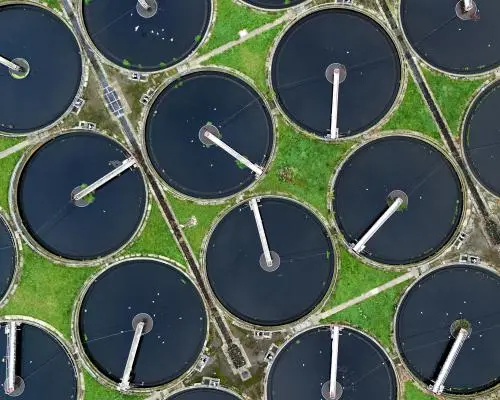
British water utilities generated over £340 million in revenue last year by accepting industrial and commercial wastewater. These companies pumped billions of litres of this liquid into sewage treatment plants. Experts warn these facilities are not built to remove most chemical pollutants. Consequently, harmful substances flow directly into rivers, seas, and farmland. This practice has become a significant, yet controversial, income stream for the sector.
Latest news
 Leader of Jewish Greens Calls for Polanski to Step Down After Defeat
 EU Unveils Critical Mineral Projects List Focused on Clean Energy Metals
 Navanethem „Navi” Pillay Wins 2026 Nobel Peace Prize for Advancing Global Justice
 The Supreme Court’s recent ruling has reignited the fight against conversion therapy for LGBTQ+ youth
Water companies are legally obligated to accept industrial wastewater from businesses. However, the current infrastructure poses serious environmental risks. Standard sewage works are designed primarily for domestic waste, not complex industrial chemicals. As a result, many toxic compounds bypass treatment processes entirely. They enter natural waterways without adequate filtration or neutralization. This creates a hidden pipeline of pollution that affects local ecosystems and agricultural land.
Industrial operators often choose this route because it is cheaper than specialized treatment. They pay the water company to dispose of their waste. The utility then mixes this industrial sludge with household sewage. The combined load strains the system. Treatment plants struggle to handle the high concentration of specific chemicals. This mismatch between input and capability leads to environmental leakage. The financial gain for utilities comes at the expense of water quality.
Why Regulations Fail to Protect Waterways
Critics argue that the current regulatory framework allows this loophole to persist. Companies profit from a service that fails to protect the environment. The sheer volume of wastewater involved is staggering. Billions of litres move through the system annually. Each drop carries the potential for chemical contamination. Local communities bear the brunt of this pollution. Rivers near treatment plants often show higher levels of industrial markers. Farmland irrigated by these waters may absorb hazardous residues.
The legal requirement to accept industrial waste creates a paradox. It forces utilities to manage a stream they are ill-equipped to handle. There is a lack of strict monitoring for specific industrial pollutants at the point of discharge. Without detailed analysis, dangerous chemicals slip through the net. The focus remains on biological and physical impurities, not chemical diversity. This gap in oversight allows the trade to continue unchecked.
Environmental groups call for stricter controls on what can be discharged. They demand that industrial waste be treated separately before entering public sewers. Until then, the billions of litres will continue to flow. The financial incentive for water companies remains strong. The cost of upgrading infrastructure is high. Many firms lack the capital for such massive changes.
Frequently Asked Questions
How much did water companies earn from this trade? UK water utilities made over £340 million in revenue last year. This income came from processing industrial and commercial wastewater.
Why is this wastewater problematic? Sewage treatment works are not designed to remove most industrial chemicals. Pollutants pass through and enter rivers, seas, and farmland.
Are water companies allowed to accept this waste? Yes, they are required by law to take industrial wastewater. However, experts argue the infrastructure cannot safely handle the chemical load.