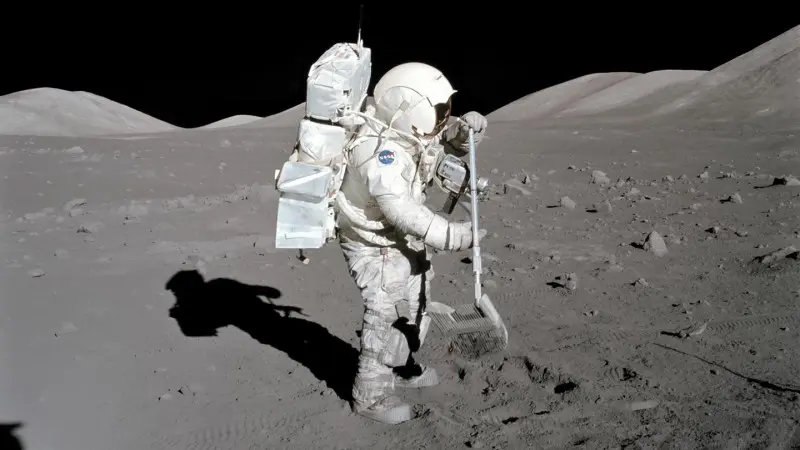
Dormant Life in Frozen Lunar Ice
The primary concern involves terrestrial microbes traveling to the Moon without proper sterilization. These organisms can adhere to spacecraft surfaces or exist within instrument components. If they reach the lunar surface, they might enter the soil or ice deposits. In the frigid environment of the south pole, microbial cells can enter a dormant state. This process, known as lyophilization, effectively pause biological activity. Consequently, ancient or modern Earth life could persist alongside native lunar materials. This creates a complex scenario for detecting true lunar biology.
Latest news
 Swedish Voters Choose New Parliament as Left-Wing Coalition Projects to Win Majority
 Trump Announces End of US Tariff on Irish Whisky
 Frances Stonor Saunders, Author of CIA Cultural Espionage Exposé, Dies at 66
 Israel and Lebanon to Hold Security Talks in Rome This October
The lunar south pole offers unique conditions for microbial survival. Temperatures there can drop below minus one hundred and fifty degrees Celsius. Such extreme cold acts as a natural freezer for any introduced organic material. Unlike the sunlit equatorial regions, polar craters experience minimal temperature fluctuation. This stability allows dormant microbes to maintain cellular structure over extended durations. Scientists fear that standard sterilization methods may not eliminate all resistant spores. Some bacterial forms can withstand radiation and vacuum exposure. Therefore, even rigorous cleaning might leave behind viable biological traces. These traces could later reactivate if exposed to liquid water or warmer temperatures. The presence of water ice in polar craters increases this risk significantly.
How Can We Prevent Biological Cross-Contamination?
Researchers emphasize that contamination does not necessarily mean failure. However, it complicates the search for indigenous lunar life. Distinguishing between Earth-origin microbes and potential lunar organisms becomes difficult. Future missions must account for this variable in their design. New testing protocols are being developed to detect trace organic compounds. These tests aim to identify specific biomarkers associated with terrestrial life. By establishing a baseline of expected contaminants, scientists can filter out false positives. This approach ensures that any biological signals detected are genuinely lunar. The field of planetary protection is adapting to these new challenges.
Preventing contamination requires a multi-layered strategy involving engineering and procedure. Spacecraft designers are exploring advanced shielding materials that block microbial adhesion. Thermal control systems must also minimize heat transfer to sensitive instruments. Additionally, mission planners are considering dedicated quarantine zones for sample handling. These zones would isolate collected material before analysis begins. The goal is to create a sterile chain of custody from collection to return. International guidelines are being updated to reflect these findings. Agencies are collaborating to define acceptable levels of microbial load. Stricter standards may delay some missions but enhance scientific reliability. The balance between cost, schedule, and cleanliness remains a key debate.
The implications for lunar science are profound. If microbes survive the journey, early conclusions about lunar habitability may be flawed. Future explorers must treat every gram of regolith with caution. The south pole remains a prime target for exploration due to its resources. Yet, its pristine status makes it vulnerable to biological intrusion. As humanity prepares for sustained lunar presence, vigilance is essential. Protecting the Moon’s scientific value depends on our ability to manage invisible threats. The race to explore must be matched by the discipline to preserve. Only then can we confidently interpret what we find in the lunar dark.
Frequently Asked Questions
Can freeze-dried microbes reactivate on the Moon? Yes, dormant microbes can potentially reactivate if exposed to liquid water or increased temperatures. The cold polar environment preserves them until conditions change.
Why is the south pole specifically at risk? The south pole contains permanently shadowed craters with extreme cold and water ice. These conditions create ideal preservation environments for dormant biological material.