Negotiations in Geneva: Stakes and Strategies
A joint US‑Iran delegation arrived in Geneva on June 20, 2026, to discuss a potential cease‑fire and a nuclear framework. Vice President JD Vance stepped off Marine Two at Joint Base Andrews before flying to the neutral venue.
Latest news
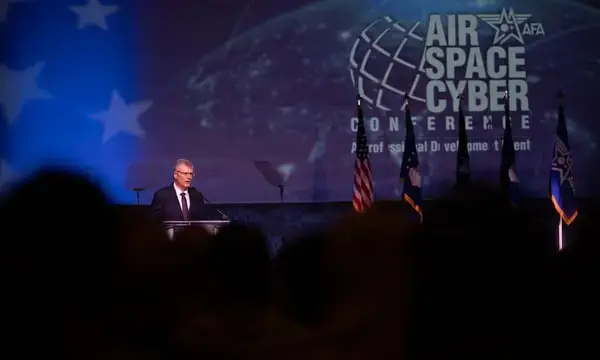 Space Security Landscape Deteriorates Rapidly Amid New US Deployments
 Wife of US Scholar Detained in China Urges Trump to Address Case During Summit
 Palestinian Man Dies in Israeli Custody After Year of Administrative Detention
 Sweden's Centre-Left Coalition Wins Election as Right-Wing Bloc Narrowly Defeated
Both sides say the meeting aims to move beyond stalled negotiations that have lingered for years. The United States hopes to secure commitments on nuclear transparency, while Tehran seeks relief from sanctions and an end to hostilities. Geneva was chosen for its diplomatic history and its capacity to host discreet back‑channel talks. Observers note that the timing coincides with heightened regional tensions and recent diplomatic overtures from European partners.
American officials presented a draft outlining verification mechanisms for any nuclear agreement. They emphasized the need for real‑time monitoring and strict limits on enrichment levels. Iranian representatives countered with demands for a phased lifting of economic restrictions, arguing that sanctions cripple their economy and fuel instability. Both parties agreed to keep discussions confidential to avoid media pressure that could derail progress. The Swiss government offered logistical support, providing secure venues and translation services. Analysts suggest that the success of these talks will depend on the willingness of each side to compromise on core security concerns.
Can the talks break the deadlock on Iran's nuclear program?
The central question remains whether the delegations can bridge the gap that has persisted since the 2023 nuclear accord collapsed. Tehran insists on a guaranteed pathway to civilian nuclear technology, while Washington insists on irreversible dismantlement of enrichment facilities. A senior US diplomat warned that any agreement must include robust enforcement clauses to prevent future violations. Meanwhile, Iranian officials warned that a perceived imbalance could trigger domestic backlash. The outcome could reshape regional security dynamics, potentially easing the proxy conflicts that have plagued the Middle East for over a decade.
If the negotiations produce a viable framework, they could pave the way for a broader peace settlement that ends the current cease‑fire violations. Conversely, a failure would likely deepen mistrust and could prompt renewed military posturing. Both sides appear cautiously optimistic, but the road ahead remains fraught with technical and political hurdles.
Frequently Asked Questions
What is the main goal of the Geneva talks? The delegations aim to draft a mutually acceptable nuclear agreement and a durable cease‑fire that could end ongoing hostilities in the region.
Why was Switzerland chosen as the meeting place? Switzerland offers a neutral environment with a strong tradition of facilitating diplomatic dialogue, making it ideal for sensitive negotiations.
What are the potential consequences if talks collapse? A breakdown could lead to heightened tensions, renewed sanctions, and an escalation of proxy conflicts across the Middle East.