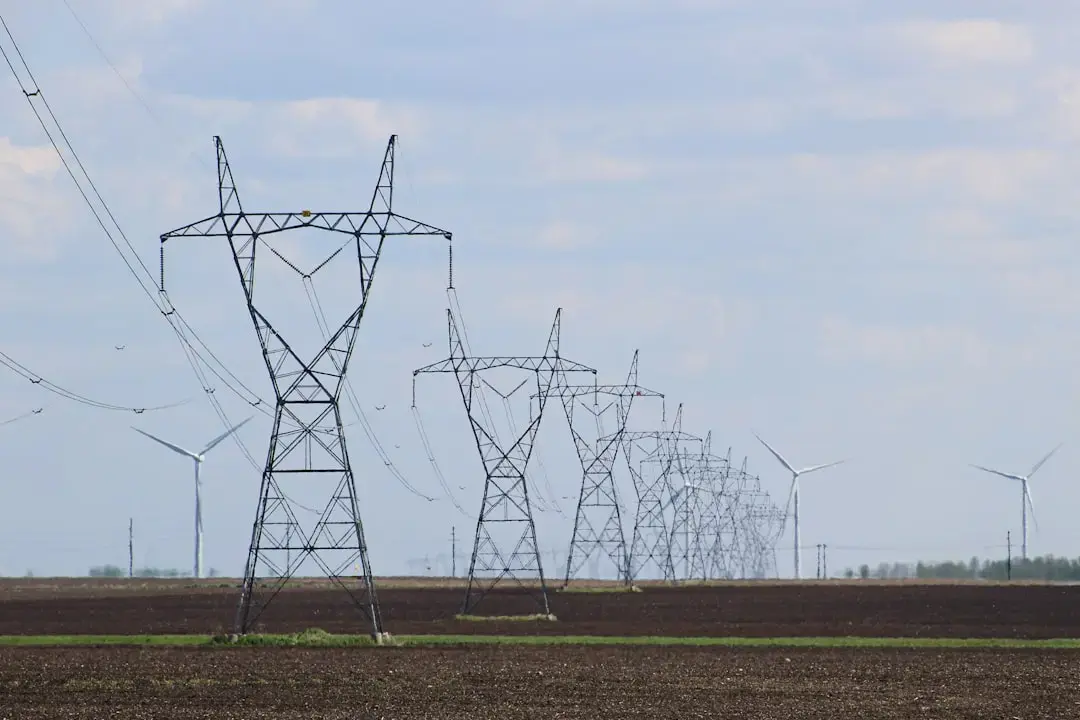
Pipeline Shutdown: Causes and Consequences
The United States Energy Secretary, Chris Wright, announced on Tuesday that Saudi Arabia’s East‑West oil pipeline should be back online in a matter of days. The statement came in a CNBC interview following the recent closure of the pipeline by Saudi forces. Wright’s comment signals a swift return of the critical infrastructure that transports crude from the eastern coast to the western refinery network.
Latest news
 Anthropic Announces $31 Billion Data Centre Deal in Western Queensland
 Veteran Journalist Hugh Riminton Announces Retirement After Nearly Five Decades
 How the 1980s Permanently Shaped America
 Victorian Police Gain Random Stop-and-Search Powers Under New Jacks Law
The pipeline, a key artery for Saudi oil exports, was shut down after security forces intercepted a convoy of trucks carrying fuel. The interruption has raised concerns about supply disruptions to global markets. Wright noted that the Saudi government is working to restore the line, and the U. S. is monitoring the situation closely. He also mentioned that the re‑commissioning will help stabilize prices and reassure investors.
Regional Tensions: Iran’s Stance on Talks
The East‑West pipeline’s closure stemmed from a security incident involving a convoy that was reportedly intercepted by armed forces in the eastern region. The Saudi government cited security concerns and the need to protect critical infrastructure. The shutdown halted the flow of crude, which had a ripple effect on refining schedules and export volumes. Analysts say the interruption could temporarily reduce Saudi output by up to 200,000 barrels per day, affecting global supply chains. Wright emphasized that the U. S. is ready to assist if needed, highlighting the importance of maintaining the pipeline’s operational integrity.
Amid the pipeline crisis, an Iranian official announced that Tehran would not engage in talks until its conditions are met. The statement underscores the broader geopolitical tensions in the region. Iran’s position reflects its long‑standing demands for concessions in energy negotiations and its reluctance to compromise on security issues. This development adds complexity to the situation, as any delay in the pipeline’s restoration could exacerbate regional instability and affect international energy markets.
Wright’s remarks also came as the U. S. seeks to balance its diplomatic relations with Saudi Arabia and Iran. While the U. S. supports the swift reopening of the pipeline, it remains cautious about the implications of Iran’s hardline stance. The Secretary’s comments suggest that the U. S. is prepared to support Saudi efforts to resolve security concerns that led to the shutdown.
Consequences and Outlook
If the pipeline resumes as predicted, Saudi Arabia will quickly regain its export capacity, helping to ease pressure on global oil supplies. The U. S. expects a gradual normalization of market conditions, with prices stabilizing within weeks. However, the Iranian official’s warning could prolong diplomatic negotiations, potentially delaying further infrastructure projects in the region. The U. S. will continue to monitor the situation, ready to intervene if necessary to ensure the pipeline’s safe operation.
The swift restoration of the pipeline is crucial for maintaining global energy security. While the U. S. remains supportive of Saudi efforts, it also acknowledges the broader geopolitical challenges that may affect the region’s stability.
What is the significance of the East‑West pipeline? The pipeline is a vital route that transports crude from Saudi Arabia’s eastern coast to western refineries. Its operation is essential for meeting export demands and supporting global oil supply.
Frequently Asked Questions
Why did Saudi forces shut down the pipeline? Security concerns prompted Saudi forces to intercept a convoy carrying fuel, leading to the pipeline’s temporary closure to protect critical infrastructure.
How might Iran’s stance affect the pipeline’s reopening? Iran’s refusal to engage in talks until its conditions are met could delay diplomatic resolutions and prolong disruptions, potentially impacting the pipeline’s restoration timeline.