Shifting Sands in the Middle East
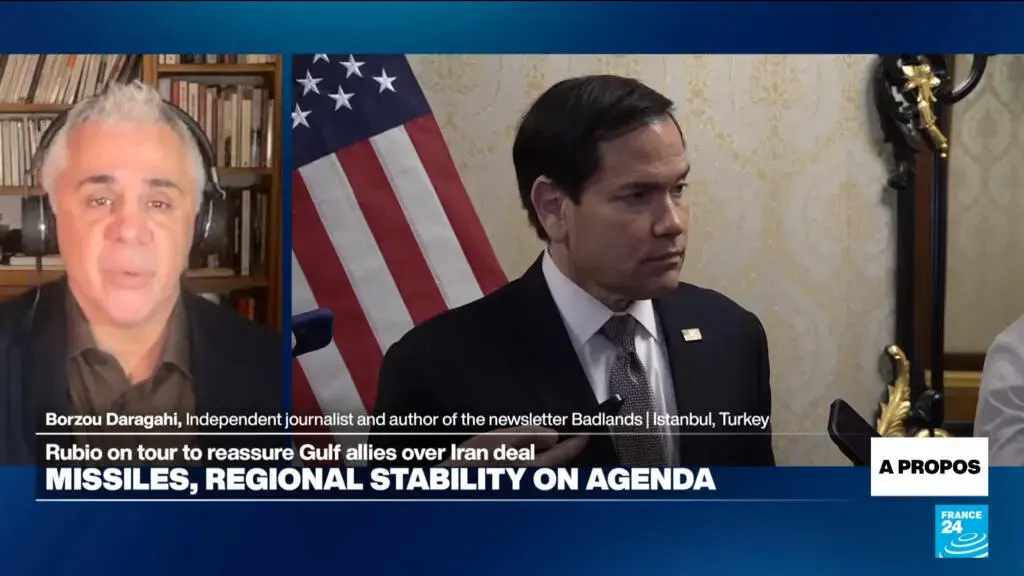
The US is growing increasingly concerned that its Gulf allies may start making independent decisions, potentially altering the regional dynamics. State Department officials have been holding talks with Gulf state representatives, indicating a heightened sense of urgency. This development comes as the US is reevaluating its role in the Middle East.
Latest news
 Swedish Voters Choose New Parliament as Left-Wing Coalition Projects to Win Majority
 Trump Announces End of US Tariff on Irish Whisky
 Frances Stonor Saunders, Author of CIA Cultural Espionage Exposé, Dies at 66
 Israel and Lebanon to Hold Security Talks in Rome This October
Secretary of State Marco Rubio has assured Gulf allies that the US will continue to support them. However, analysts believe that the US is struggling to maintain its influence in the region. Gulf states are diversifying their partnerships, engaging with other global powers.
Can the US Regain its Grip?
The changing landscape in the Middle East is testing the US's ability to maintain its traditional alliances. As Gulf states become more confident in their independent decision-making, the US must adapt its approach. The outcome will depend on the US's willingness to evolve its role in the region.
The US's response to the Gulf states' growing independence will have significant implications for regional stability. A shift in the balance of power could lead to new alliances and conflicts.
What is driving the Gulf states to consider going alone? Gulf states are diversifying their partnerships and becoming more confident in their independent decision-making. This is driven by a desire to reduce their reliance on the US.
Frequently Asked Questions
How has the US responded to this development? The US has assured its Gulf allies that it will continue to support them, with Secretary of State Marco Rubio holding talks with regional representatives.
What are the potential consequences of the Gulf states going alone? A shift in the balance of power could lead to new alliances and conflicts, potentially destabilizing the region.