Escalating the Final Frontier
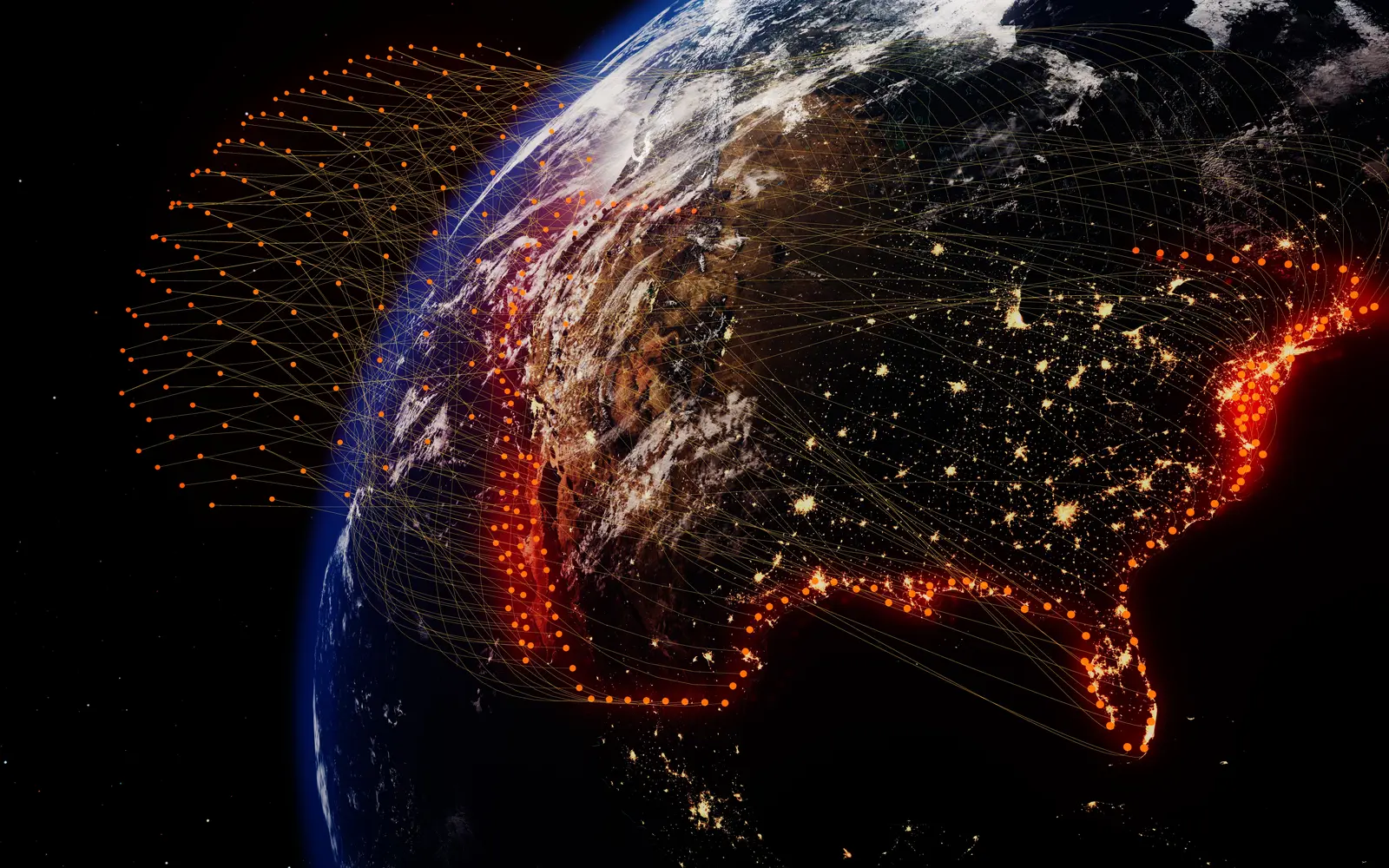
Air Force Secretary Frank Kendall confirmed on September 14 that the United States maintains offensive military capabilities stationed in space. Speaking at the Air, Space, and Cyber Conference in Maryland, Kendall broke years of strategic ambiguity. This official acknowledgment marks a significant shift in how the Pentagon publicly discusses its extraterrestrial defense and strike assets.
Latest news
 Saudi Arabia Declares Mecca Attack Attempt a Red Line as Houthis Deny Involvement
 Surrey Oil Drilling Project Sold After Supreme Court Rejection
 Union leaders urge bold action for Labour leader
 Wildfire Crisis Deepens as Federal Firefighter Shortage Plagues Summer Season
The admission follows decades of speculation regarding the secretive nature of American space programs. While officials previously focused on defensive satellite protection, the recent remarks signal a transition toward active space-based warfare. This policy change reflects growing concerns over the rapid advancements made by global rivals in orbital technology.
The Pentagon’s strategic pivot aims to secure dominance in an increasingly contested environment. Military planners now view space as a primary theater of operations rather than a support network for ground forces. By acknowledging these capabilities, the U. S. signals its intent to deter adversaries from targeting critical satellite infrastructure.
Is Orbital Warfare the New Global Standard?
Experts suggest this disclosure is intended to project strength during a period of heightened geopolitical tension. The military believes that transparency regarding its space arsenal will prevent miscalculations by competing nations. However, critics argue that such admissions could trigger a dangerous arms race beyond the atmosphere.
The shift toward space-based weaponry raises urgent questions about international treaties and the future of global security. Current agreements, such as the Outer Space Treaty, remain vague regarding the deployment of non-nuclear weapons in orbit. As the U. S. integrates these systems into its broader defense strategy, the risk of accidental escalation increases.
Frequently Asked Questions
The long-term consequences of this policy remain uncertain. Diplomats must now navigate a landscape where the traditional boundaries of terrestrial conflict have effectively dissolved. Future stability will depend on whether this public stance fosters deterrence or invites a new era of orbital brinkmanship.
What prompted this official admission? Secretary Kendall addressed the issue during a major defense conference to clarify the nation's military posture. The statement was intended to address the evolving threats posed by rival nations in space.
Does this violate existing international space laws? The U. S. maintains that its current operations comply with international obligations. However, the move highlights the growing tension between modern military needs and outdated Cold War-era treaties.