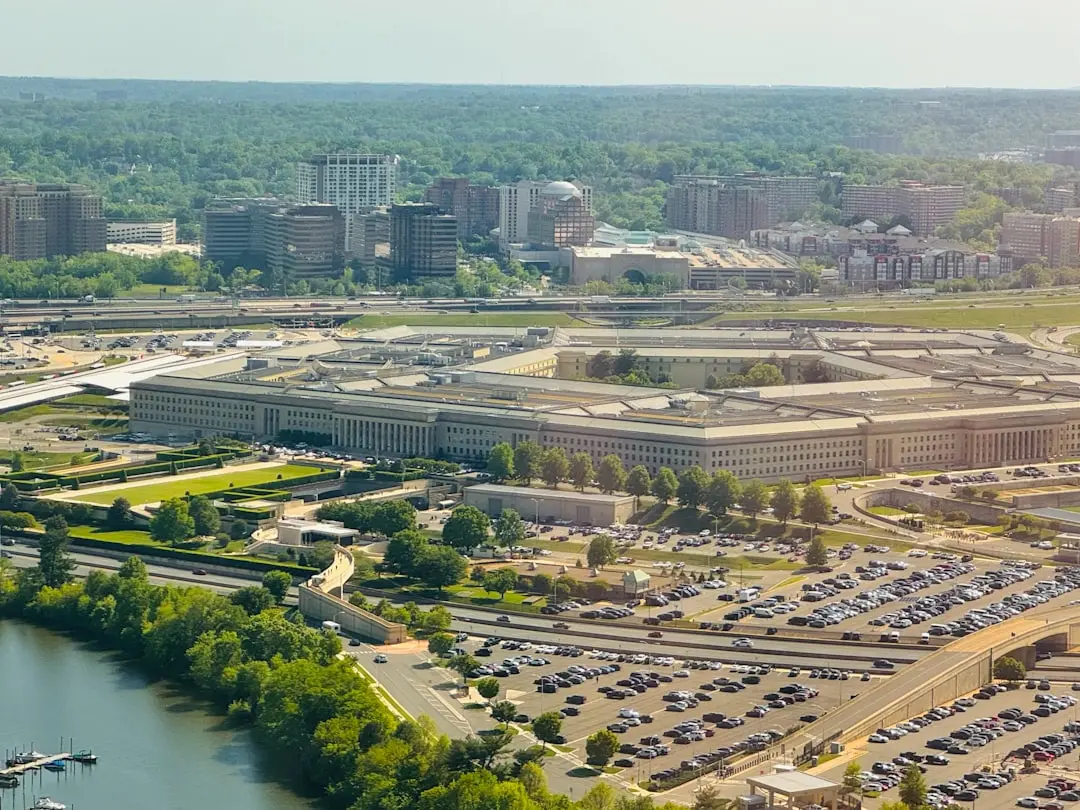
Hidden Casualties: How Death Toll Classifications Differ
The Pentagon maintains an official list of 18 American military fatalities linked to the Iran conflict. However, a new report suggests the actual death toll may be higher than what the Defense Department has disclosed publicly. The discrepancy raises questions about transparency in wartime casualty reporting.
Latest news
 South Africans Mark Femicide Victims in Emotional Cape Town Vigil
 Russians flee ahead of election results, fearing forced mobilisation
 Israeli Forces Conduct Demolitions in Southern Lebanon, Hospital Set Ablaze
 Fear of AI Job Losses Now Outweighs Hope for New Opportunities, Study Shows
The conflict with Iran escalated following a January 2020 airstrike that killed top Iranian commander Qasem Soleimani. Since then, the Pentagon has tracked and published names of service members who died as a result of the hostilities. But according to the report, additional deaths may not have been included in the official tally, potentially due to how the Pentagon categorizes combat-related fatalities versus other causes.
The Pentagon's public list includes only those deaths directly attributed to enemy action or immediate retaliation. However, some military personnel who died by suicide or from other causes shortly after deployment may also be connected to the psychological toll of the conflict. These cases often fall outside traditional combat death categories, making them harder to track and report. The lack of a unified definition for war-relateddeaths complicates efforts to understand the full human cost.
Are More Deaths Being Left Off the Record?
Defense analysts suggest that the gap between public and actual figures could stem from bureaucratic delays or differing interpretations of causality. Families of the deceased have expressed frustration over the lack of clarity in how their loved ones' deaths are classified. Some argue that any death occurring during active deployment in a combat zone should be counted, regardless of the immediate cause.
The report has prompted renewed calls for an independent review of military casualty data. Lawmakers are questioning whether the Pentagon's accounting methods adequately reflect the true cost of war. Meanwhile, advocacy groups are pushing for greater transparency in how the Department of Defense tracks and reports fatalities tied to overseas conflicts.
As Congress considers oversight hearings, the debate highlights broader concerns about mental health support for troops and the long-term effects of sustained combat exposure. The fallout from the report could influence future policy decisions regarding military transparency and veteran care.
Frequently Asked Questions
What does the Pentagon's official list include? The Pentagon's public list contains 18 U. S. military deaths officially linked to the Iran conflict, primarily those resulting from direct combat or retaliatory attacks.
Why might the actual number be higher? Some deaths, such as suicides or non-combat incidents during deployment, may be related to the stress of conflict but are not classified as combat fatalities, leading to underreporting.
What is being done about the discrepancy? Lawmakers and advocacy groups are calling for an independent review of military casualty data to ensure accurate and transparent reporting of war-related deaths.