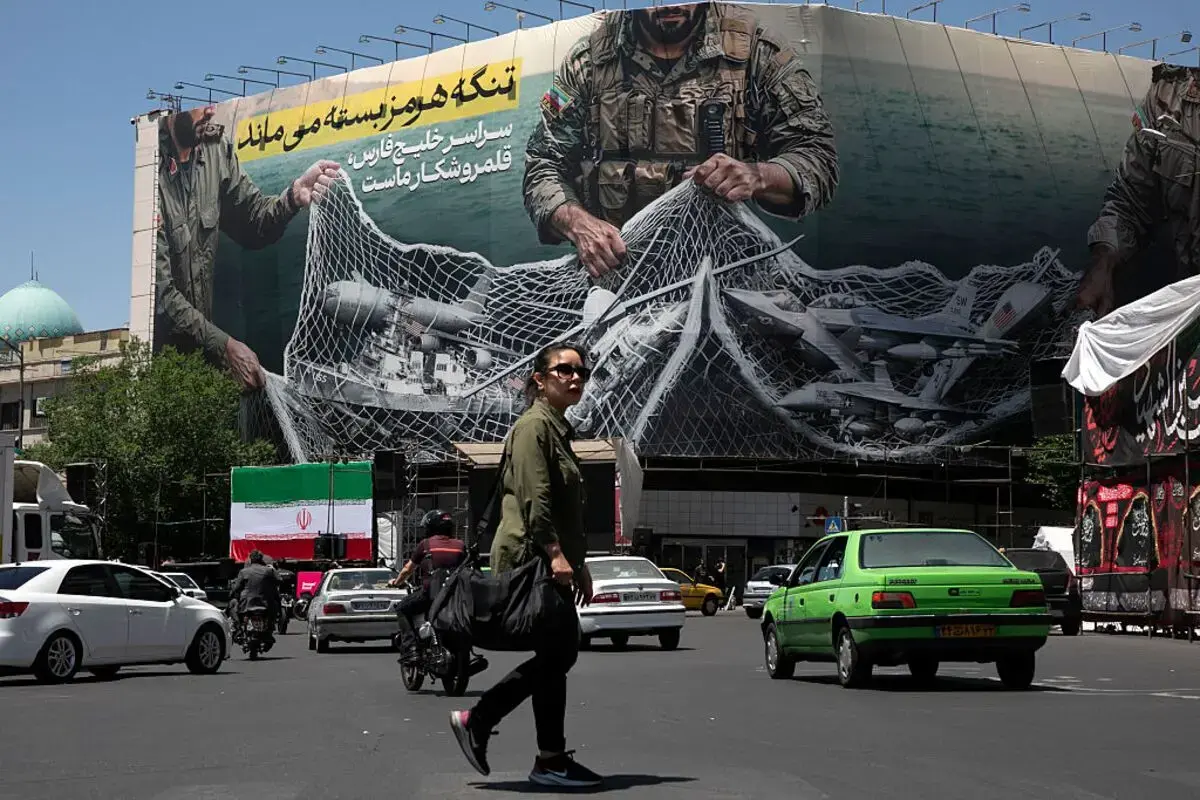
Stalemate in the Strait of Hormuz
The United States is waiting for Iran's response to a proposal aimed at ending 10 weeks of war. The situation remains tense in the region. Iran's stance on the proposal is crucial in determining the next steps. The US has been seeking to ease tensions.
Latest news
 South Africans Mark Femicide Victims in Emotional Cape Town Vigil
 Russians flee ahead of election results, fearing forced mobilisation
 Israeli Forces Conduct Demolitions in Southern Lebanon, Hospital Set Ablaze
 Fear of AI Job Losses Now Outweighs Hope for New Opportunities, Study Shows
The world's largest oil exporter, Aramco, says reopening the Strait of Hormuz, a vital shipping route, won't be a quick fix. The strait has been a point of contention between Iran and the US. Aramco's comments highlight the complexities of the situation.
Can Diplomacy Ease Tensions?
The US proposal aims to reduce tensions and prevent further escalation. Iran's response will be crucial in determining the effectiveness of the proposal. The international community is watching closely.
The ongoing conflict has significant implications for global oil supplies. Any disruption to oil exports could have far-reaching consequences. The US and Iran must navigate a delicate balance.
What Are the Stakes?
The consequences of inaction or failed diplomacy could be severe. The world waits with bated breath for Iran's response. The stakes are high, and the situation remains volatile.
Q: What is the US proposal aimed at? A: The US proposal aims to end 10 weeks of war and reduce tensions between the US and Iran. The proposal seeks to prevent further escalation.
Frequently Asked Questions
Q: Why is the Strait of Hormuz important? A: The Strait of Hormuz is a vital shipping route and a key location for oil exports. Reopening it is crucial for global oil supplies.
Q: What are the implications of the conflict? A: The ongoing conflict has significant implications for global oil supplies and the economy.