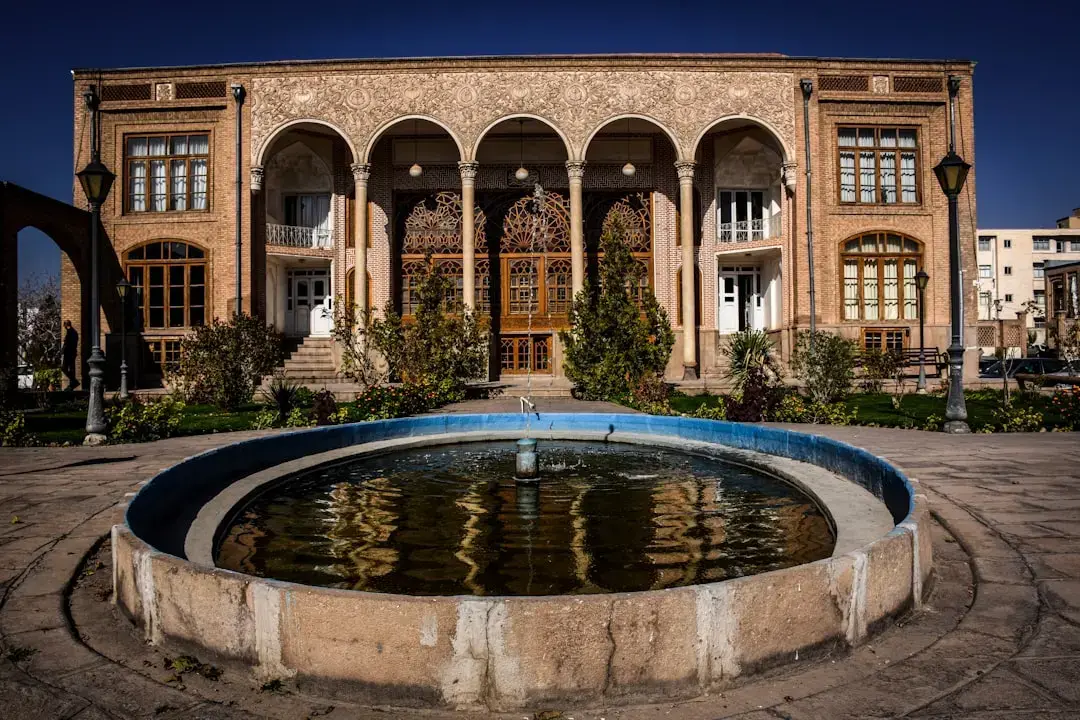
Tabriz Targets: Strategic Significance
The United States launched a fresh wave of air strikes against Iran on the night of July 20, 2026, targeting facilities in the northwestern city of Tabriz. This marks the ninth night in a row that U. S. forces have bombed Iranian sites, intensifying a conflict that has escalated over the past weeks.
Latest news
 Swedish Voters Choose New Parliament as Left-Wing Coalition Projects to Win Majority
 Trump Announces End of US Tariff on Irish Whisky
 Frances Stonor Saunders, Author of CIA Cultural Espionage Exposé, Dies at 66
 Israel and Lebanon to Hold Security Talks in Rome This October
The attacks were carried out by a mix of fighter jets and unmanned drones, focusing on what Washington describes as „military infrastructure supporting hostile operations.” Officials say the strikes aim to degrade Iran’s ability to launch missile attacks and to pressure Tehran into curbing its regional activities. The decision follows a recent flare‑up after Iranian-backed groups targeted U. S. interests in the Middle East, prompting a rapid response from the Pentagon.
Tabriz, a major industrial hub near Iran’s border with Turkey, houses several facilities linked to the country’s defense sector. Satellite imagery released after the raid shows smoke rising from at least two sites, one identified as a weapons‑storage depot and another as a communications center. Military analysts suggest that disabling these nodes could disrupt supply chains for missile components and hinder command‑and‑control networks. „The focus on Tabriz reflects a calculated effort to strike at the heart of Iran’s logistical capabilities,” said a senior defense analyst at a Washington think‑tank.
Will the Campaign Push Iran Toward Negotiation or Escalation?
Casualty figures have not been confirmed, but local officials reported that emergency services were dispatched to the affected neighborhoods. Residents described the night as „filled with distant thunder,” as the sound of aircraft engines and explosions echoed across the city. Humanitarian groups have warned that repeated strikes risk displacing civilians and straining already limited medical resources.
The sustained U. S. offensive raises a crucial question: will continued pressure force Tehran back to the negotiating table, or will it provoke a broader regional clash? Iranian leaders have condemned the attacks as violations of sovereignty, vowing retaliation. Meanwhile, U. S. diplomats argue that the strikes are a measured response designed to compel Iran to halt support for proxy forces. The delicate balance between deterrence and provocation hangs on diplomatic channels that remain fragile.
If the current trajectory continues, the conflict could spill over into neighboring countries, drawing in allies and adversaries alike. Analysts warn that each additional night of bombing raises the stakes for unintended civilian harm and could harden public opinion on both sides. The international community watches closely, urging restraint while acknowledging the complex security calculus that drives the U. S. campaign.
Frequently Asked Questions
Why is the United States targeting Tabriz specifically? Tabriz hosts key military and logistical facilities that support Iran’s missile program and regional operations, making it a strategic point for weakening Tehran’s capabilities.
What has been Iran’s response to the latest strikes? Iranian officials have denounced the attacks as illegal aggression and have signaled intent to retaliate, though no concrete counter‑measures have been disclosed yet.
Could the ongoing strikes lead to wider regional conflict? Experts caution that continued air raids risk drawing in regional allies and could trigger a chain reaction of hostilities, underscoring the need for diplomatic engagement.