
Why Are Oil Prices Falling?
US Treasury yields saw a downturn on Monday. This movement mirrored a drop in oil prices. Investors are closely watching for any signs of reduced tensions in the ongoing conflict involving Iran.
Latest news
 Saudi Arabia Declares Mecca Attack Attempt a Red Line as Houthis Deny Involvement
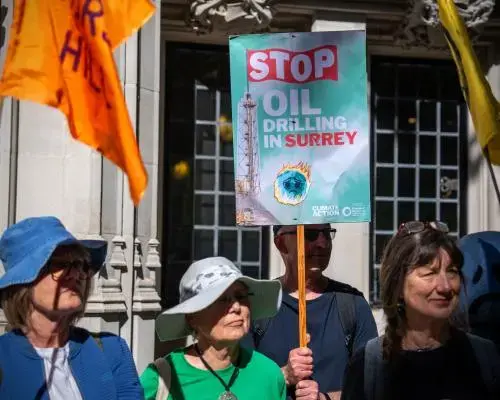 Surrey Oil Drilling Project Sold After Supreme Court Rejection
 Union leaders urge bold action for Labour leader
 Wildfire Crisis Deepens as Federal Firefighter Shortage Plagues Summer Season
The yield on the 10-year US Treasury note fell by more than three basis points. It reached 4.155% in early trading. This particular yield is a key indicator for various borrowing costs.
Oil prices experienced a significant decline. This drop is attributed to growing hopes for de-escalation in the Middle East. Any easing of tensions in the region often impacts global oil supply expectations.
What Does This Mean for Investors?
Lower oil prices can signal a more stable global economic outlook. This stability, in turn, can reduce the perceived risk of holding government bonds. Consequently, bond yields tend to fall.
The 2-year Treasury yield also decreased by over two basis points. It settled at 4.908%. The 30-year Treasury bond yield saw a similar dip, moving down by more than three basis points to 4.295%.
Frequently Asked Questions
These shifts suggest that investors might be anticipating less inflation or slower economic growth. Lower bond yields generally indicate a flight to safety or a more dovish outlook from central banks. This could influence future interest rate decisions.
What is a Treasury yield? A Treasury yield represents the return an investor receives on US government debt. It is influenced by market demand, inflation expectations, and the overall economic outlook.
How do oil prices affect Treasury yields? Oil prices can impact inflation expectations. When oil prices fall, it often suggests lower inflation, which can lead to a decrease in Treasury yields as bonds become more attractive.