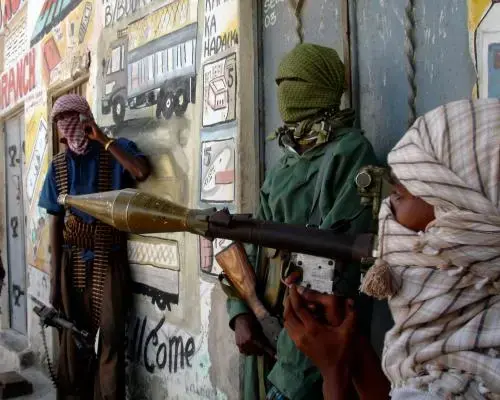
Rising Tactics: From Ambushes to Mass Bombings
The Sahel region of Africa is experiencing an unprecedented surge in extremist attacks. According to new data from the conflict monitoring group ACLED, incidents linked to al‑Qaida and the Islamic State have spiked dramatically, setting historic highs for the year. The escalation follows a wave of coordinated offensives across Mali, Niger, Burkina Faso, and Chad, where militants have seized towns, targeted security forces, and carried out brutal bombings.
Latest news
 Anthropic Announces $31 Billion Data Centre Deal in Western Queensland
 Veteran Journalist Hugh Riminton Announces Retirement After Nearly Five Decades
 How the 1980s Permanently Shaped America
 Victorian Police Gain Random Stop-and-Search Powers Under New Jacks Law
The spike is driven by a combination of factors. First, the withdrawal of French forces and the decline of international support have left a security vacuum that extremist groups exploit. Second, local grievances—such as ethnic tensions and competition over scarce resources—provide fertile ground for recruitment. Finally, the groups’ strategic shift to low‑cost, high‑impact tactics, including improvised explosive devices and ambushes, has increased their operational reach.
How the International Community Can Respond – Is Aid Enough?
ACLED’s analysis shows a marked shift from traditional ambushes to large‑scale bombings in urban centers. In March alone, attacks in the capital of Mali, Bamako, caused dozens of casualties and disrupted daily life. Militants have also targeted aid workers, foreign diplomats, and civilian markets, broadening the scope of their terror. The use of drones for surveillance and delivery of explosives has further amplified their capabilities, allowing attacks to be carried out from safer distances.
Local officials report that the militants’ ability to adapt to changing security environments has made them harder to counter. „They are no longer confined to remote areas,” says a spokesperson from the Nigerien Ministry of Defense. „They now operate in densely populated towns, making it difficult for conventional forces to respond without causing collateral damage.”
The international community faces a dilemma: how to provide effective assistance without inadvertently empowering the very groups they aim to defeat. Humanitarian aid is crucial, yet it must be carefully monitored to prevent diversion to militant networks. Additionally, regional cooperation is essential. The G5 Sahel, comprising Mali, Niger, Burkina Faso, Chad, and Mauritania, has pledged to strengthen joint military operations, but funding gaps remain a significant obstacle.
Frequently Asked Questions
Experts argue that a multi‑pronged approach is necessary. Strengthening local governance, investing in community resilience, and improving intelligence sharing can reduce the appeal of extremist recruitment. „Without addressing the root causes, any military solution will be temporary,” notes a security analyst from the African Union.
The consequences of continued violence are dire. Economically, the Sahel’s fragile development projects are stalled, and displacement of populations threatens to destabilize neighboring regions. Politically, the erosion of state authority could lead to a power vacuum that other extremist groups might fill.