Rights or Unity: The Core Tension
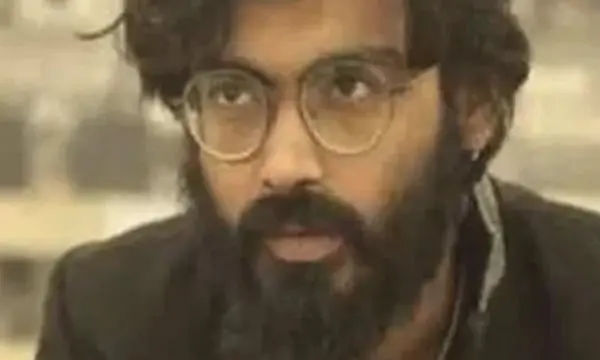
Sharjeel Imam, an Indian Muslim student activist, has been detained since 2020. He faces charges related to his alleged role in the Delhi communal riots. In a recent interview with The Quint, Imam outlined a vision for India. His views have triggered intense national debate.
Latest news
 Serbia's New Model of Democracy Draws European Scrutiny
 UK Defense Spending to Reach 3% of GDP by 2030
 John Healey presents first UK budget as Chancellor
 UK Living Standards Hit by Middle East War, OBR Warns
Imam argues that improving group rights would permanently institutionalize societal division. He believes this approach locks in communal boundaries rather than bridging them. His comments clash sharply with the prevailing political narrative in India.
Imam’s central argument focuses on the danger of formalizing group identities. He suggests that codifying rights for specific communities creates rigid social silos. This perspective challenges the current policy framework in India. Many political leaders and commentators have responded to his remarks. Some agree that group rights can entrench division. Others defend the need for protections for marginalized communities.
Can India Define Itself Without Dividing Itself?
The debate highlights a fundamental question about national identity. Should India prioritize collective rights for specific groups? Or should it emphasize a unified national identity? Imam’s stance adds fuel to this ongoing discussion. His imprisonment has made his words carry significant symbolic weight.
The response to Imam’s interview reveals deep ideological splits. Supporters see his view as a call for national cohesion. Critics argue he overlooks the practical need for group protections. The conversation extends beyond politics into philosophy. It questions how a diverse nation manages its many identities.
Looking ahead, this debate will likely shape future policy discussions. Lawmakers may revisit how group rights are structured. The outcome will influence India’s social fabric. Imam’s case remains a focal point for understanding these tensions.
Frequently Asked Questions
Why is Sharjeel Imam’s interview causing such debate? Imam argues that formal group rights permanently divide society. This view conflicts with policies that grant specific rights to communities. His imprisonment adds weight to his statements.
What exactly does Imam propose for India’s future? He advocates for a unified national identity over rigid group-based rights. He believes this prevents the permanent institutionalization of societal divisions.
How does this debate affect Indian politics? The discussion highlights a core tension between unity and group protections. It influences how lawmakers approach identity-based policies.