The Institutional Momentum Behind the Conflict
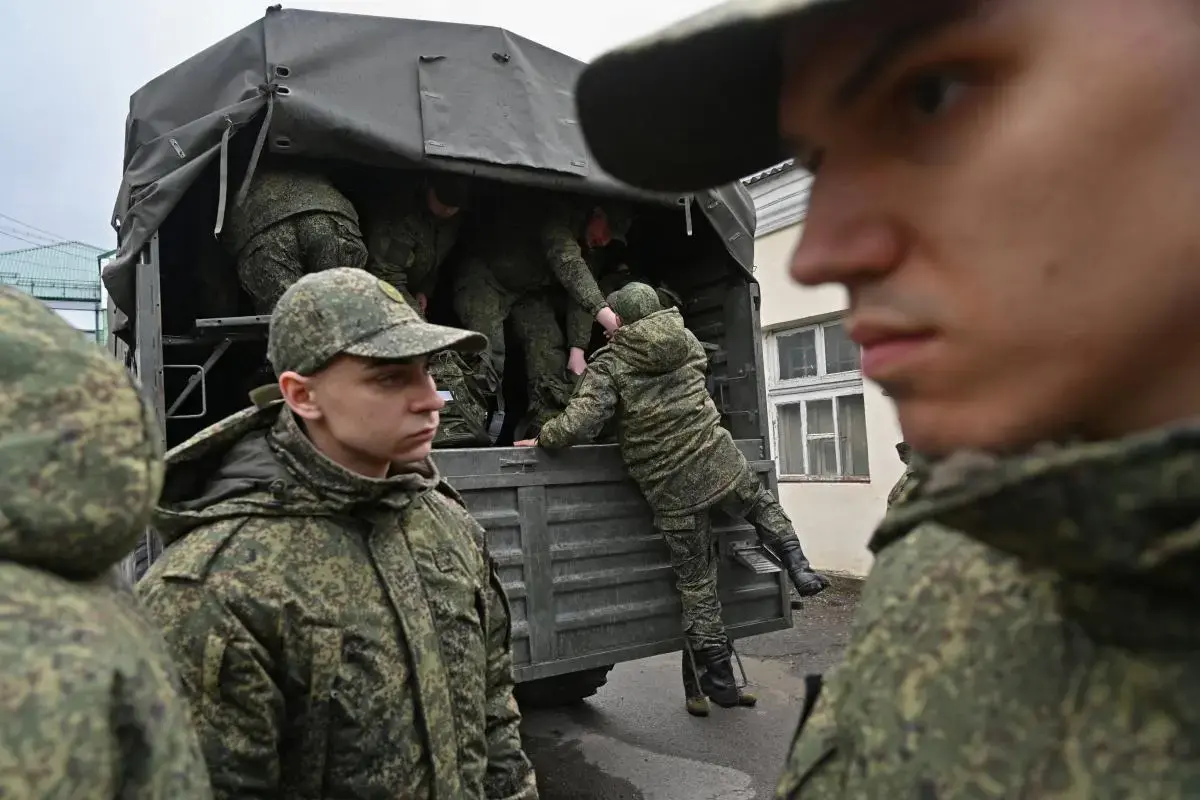
On June 3 2026, scholars Seva Gunitsky and Jeremy Morris published an analysis of why Russian President Vladimir Putin cannot simply end the war in Ukraine. They point to images of conscripts training in Bataysk, a city south of Moscow, captured in April 2026, as evidence of a deepening commitment to the conflict.
Latest news
 Swedish Voters Choose New Parliament as Left-Wing Coalition Projects to Win Majority
 Trump Announces End of US Tariff on Irish Whisky
 Frances Stonor Saunders, Author of CIA Cultural Espionage Exposé, Dies at 66
 Israel and Lebanon to Hold Security Talks in Rome This October
The authors argue that the war’s momentum is sustained by a mix of institutional, political, and social forces. Military bureaucracy, elite patronage networks, and a narrative of national resurgence all reinforce the status quo. At the same time, ordinary soldiers and their families have become entangled in a system that rewards loyalty and punishes dissent, making a rapid policy reversal risky for the Kremlin.
Russia’s defense establishment has grown into a self‑reinforcing machine. Procurement contracts lock in thousands of jobs, while senior officers profit from expanded budgets. Gunitsky notes that the war has created a new „war economy” where civilian firms depend on military orders. This economic entanglement raises the stakes for any decision to halt hostilities. Moreover, the security services have cultivated a culture of secrecy that shields top officials from public scrutiny, allowing the conflict to persist without transparent accountability.
Can Domestic Pressure Force a Change?
Morris asks whether growing war weariness among conscripts could tip the balance. In Bataysk, young men report low morale and fear of being sent to the front. Their grievances are echoed in informal networks across the country, where families discuss shortages and casualties. Yet the Kremlin’s control over media and the suppression of protest limit the ability of these concerns to coalesce into a political movement. The authors warn that unless a critical mass of soldiers and civilians openly challenges the war narrative, Putin’s options remain constrained.
If the inertia continues, the conflict may solidify into a frozen stalemate, draining Russia’s resources and isolating it further from the West. International sanctions are likely to tighten, while domestic discontent could simmer beneath a veneer of patriotism. The authors conclude that the war’s trajectory will depend on whether institutional interests can be reshaped or whether popular opposition gains enough momentum to force a policy shift.
Frequently Asked Questions
Why can’t Putin simply order a ceasefire? Because the war is embedded in a network of military contracts, elite patronage, and a nationalistic narrative that would be destabilized by an abrupt halt.
What role do conscripts play in sustaining the conflict? Conscripts provide the manpower needed for ongoing operations, and their families’ economic ties to the defense sector create a personal stake in continuing the fight.
Is there any realistic path to ending the war? A viable path would require a coordinated effort that weakens the war economy, reforms security institutions, and amplifies civilian voices demanding peace.