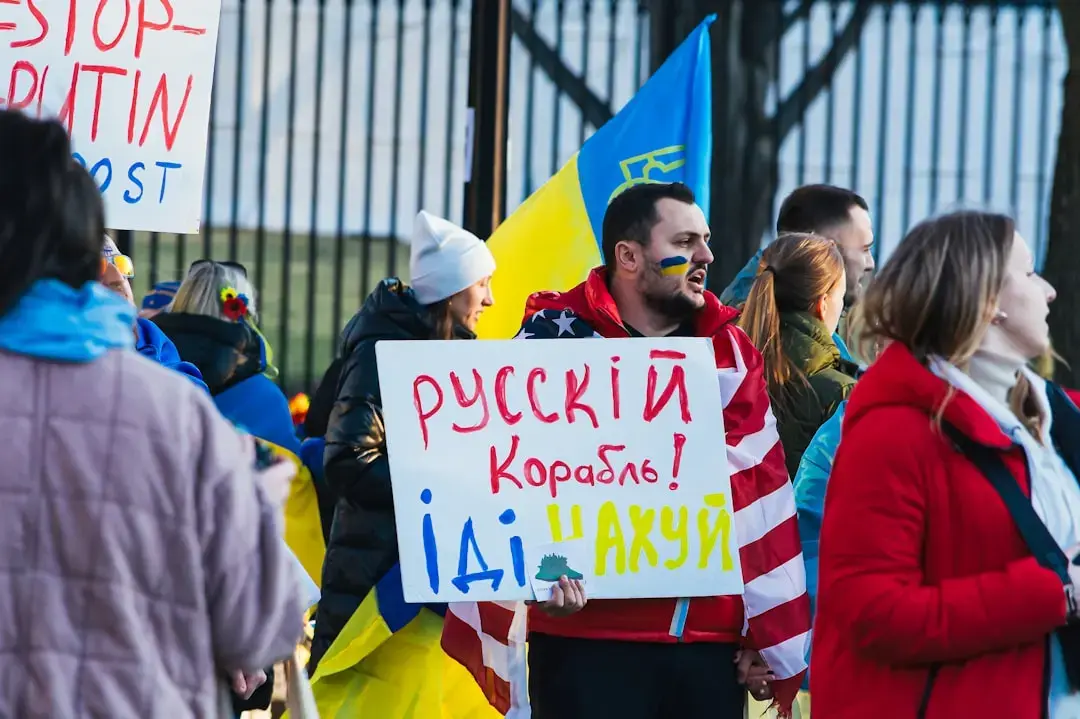
Bridging the Divide: Zelenskyy’s Offer
Ukrainian President Volodymyr Zelenskyy has directly appealed to Russian President Vladimir Putin for a meeting. He seeks a diplomatic resolution to the ongoing conflict, which began in February 2022. This call comes amid stalled peace negotiations and continued fighting in eastern Ukraine. The proposal represents a renewed effort to find a way to end the war.
Latest news
 Swedish Voters Choose New Parliament as Left-Wing Coalition Projects to Win Majority
 Trump Announces End of US Tariff on Irish Whisky
 Frances Stonor Saunders, Author of CIA Cultural Espionage Exposé, Dies at 66
 Israel and Lebanon to Hold Security Talks in Rome This October
Negotiations between Russia and Ukraine commenced shortly after the invasion. However, these talks have yielded no significant breakthroughs. Both sides remain far apart on key issues, including territorial concessions and security guarantees. Zelenskyy believes a direct conversation with Putin could unlock progress. He is willing to discuss potentially painful compromises to achieve peace.
Zelenskyy has indicated a willingness to discuss the future of contested territories. He suggests exploring a long-term ceasefire, potentially involving the withdrawal of Russian forces from Ukrainian land. In exchange, Ukraine might consider neutral status, foregoing its aspirations to join NATO. This is a significant shift from Ukraine’s previous insistence on full territorial integrity and eventual NATO membership.
Will Moscow Respond to the Overture?
The Ukrainian leader has repeatedly emphasized his desire to save Ukrainian lives. He views direct dialogue as the only viable path to de-escalation. He understands that any agreement will require difficult concessions from both sides. However, he believes the cost of continued conflict far outweighs the price of compromise. He has publicly stated his openness to meeting „anywhere in the world” to discuss a peaceful resolution.
The Kremlin’s response to Zelenskyy’s proposal remains uncertain. Russia has consistently stated its objectives in Ukraine, including the „demilitarization” and „denazification” of the country. These goals are incompatible with Ukraine’s sovereignty and territorial integrity. Furthermore, Russia has accused Ukraine of obstructing peace talks and lacking genuine commitment to a negotiated settlement.
Despite these obstacles, some analysts believe Putin may be open to dialogue. The prolonged conflict has imposed significant economic and military costs on Russia. Western sanctions are biting, and Russian forces have faced unexpected resistance from Ukrainian troops. A face-to-face meeting, even if unproductive, could allow Putin to demonstrate a willingness to negotiate, potentially easing international pressure.
The future remains unclear. If Putin rejects Zelenskyy’s offer, the conflict is likely to continue, potentially escalating further. However, if the two leaders agree to meet, it could open a new chapter in the search for peace. The consequences of this conflict extend far beyond Ukraine and Russia, impacting global energy markets, food security, and international relations. A diplomatic solution is crucial to prevent further suffering and instability.
Frequently Asked Questions
What are Ukraine’s key concessions in this proposal? Ukraine is signaling a willingness to discuss its future territorial arrangements and potentially adopt a neutral status. This represents a departure from previous demands for full territorial integrity and NATO membership. It's a significant move aimed at creating a basis for negotiation.
What has been Russia’s stated position on peace talks so far? Russia has demanded guarantees of Ukraine’s neutrality and the „demilitarization” of the country. They have also accused Ukraine of hindering previous negotiations and lacking sincerity in seeking a peaceful resolution. Their conditions remain largely unchanged.
Could a meeting between Zelenskyy and Putin actually lead to a breakthrough? While there are significant obstacles, a direct meeting could create a new dynamic. It would allow both leaders to directly address their concerns and explore potential compromises. However, success is far from guaranteed, given the deep divisions between the two sides.