Balancing Digital Innovation with Cultural Integrity
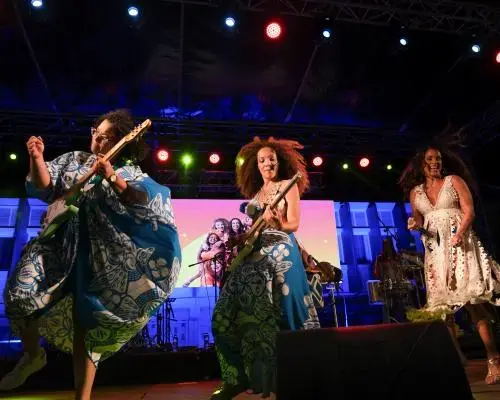
Music professionals gathered in Cape Verde recently to debate the rapid rise of artificial intelligence within the African creative sector. While the technology offers innovative production tools, artists remain wary of intellectual property threats. The discussion highlights a growing tension between embracing digital efficiency and protecting the soul of authentic musical expression.
Latest news
 Swedish Voters Choose New Parliament as Left-Wing Coalition Projects to Win Majority
 Trump Announces End of US Tariff on Irish Whisky
 Frances Stonor Saunders, Author of CIA Cultural Espionage Exposé, Dies at 66
 Israel and Lebanon to Hold Security Talks in Rome This October
The conversation gained urgency after Nigerian artist Fave experienced an unauthorized AI-generated remix of her work going viral last summer. Rather than fighting the trend, she chose to officially release her own version incorporating the digital elements. This reactive strategy reflects a broader trend of artists attempting to reclaim control over their sonic identity in an era of deepfakes.
Proponents argue that AI can democratize music production by lowering costs for emerging artists across the continent. Software can assist with mastering, vocal processing, and even songwriting, potentially accelerating the global reach of African sounds. However, experts warn that these tools risk homogenizing the unique rhythms and cultural nuances that define the industry’s success.
Can Technology Ever Replace Human Creativity?
Many creators fear that machine learning models trained on their catalogs will eventually replace the human element. The consensus among delegates suggests that while technology is inevitable, it cannot replicate the lived experiences that fuel genuine songwriting. Protecting the artist's voice remains the primary concern for labels and independent musicians alike.
The industry is now looking toward legal frameworks to ensure that artists receive royalties when their voices are mimicked by algorithms. Without strict regulations, there is a significant risk of exploitation where tech companies profit from the creative labor of African musicians. Stakeholders are calling for transparent licensing models to prevent unauthorized digital appropriation.
Ultimately, the future of the industry depends on how effectively creators can integrate these tools without losing their artistic edge. While AI may streamline the creative process, most professionals agree it will never fully replace the emotional depth of human performance. The focus is shifting toward using technology as a supplement rather than a substitute for authentic talent.
Frequently Asked Questions
What happened to the singer Fave? An unauthorized AI version of her song went viral online. She responded by recording and releasing an official remix that incorporated the AI-generated elements.
Why are African musicians concerned about AI? They fear the technology could lead to the unauthorized use of their voices and creative work. There is also a concern that AI might dilute the cultural authenticity of their music.
How is the industry responding to these risks? Delegates are calling for stronger legal protections and licensing agreements. They aim to ensure that artists are compensated fairly if their style or voice is used by AI models.