Navigating the Maze of Regulations
New research reveals significant obstacles facing social businesses. These organizations aim to address societal problems while operating commercially. However, they struggle to achieve their full potential.
Latest news
 Swedish Voters Choose New Parliament as Left-Wing Coalition Projects to Win Majority
 Trump Announces End of US Tariff on Irish Whisky
 Frances Stonor Saunders, Author of CIA Cultural Espionage Exposé, Dies at 66
 Israel and Lebanon to Hold Security Talks in Rome This October
Bureaucratic hurdles and conflicting objectives are limiting their impact. This is according to a recent study. Social enterprises often find themselves caught between their mission and market demands.
Mission vs. Market: A Constant Tug-of-War
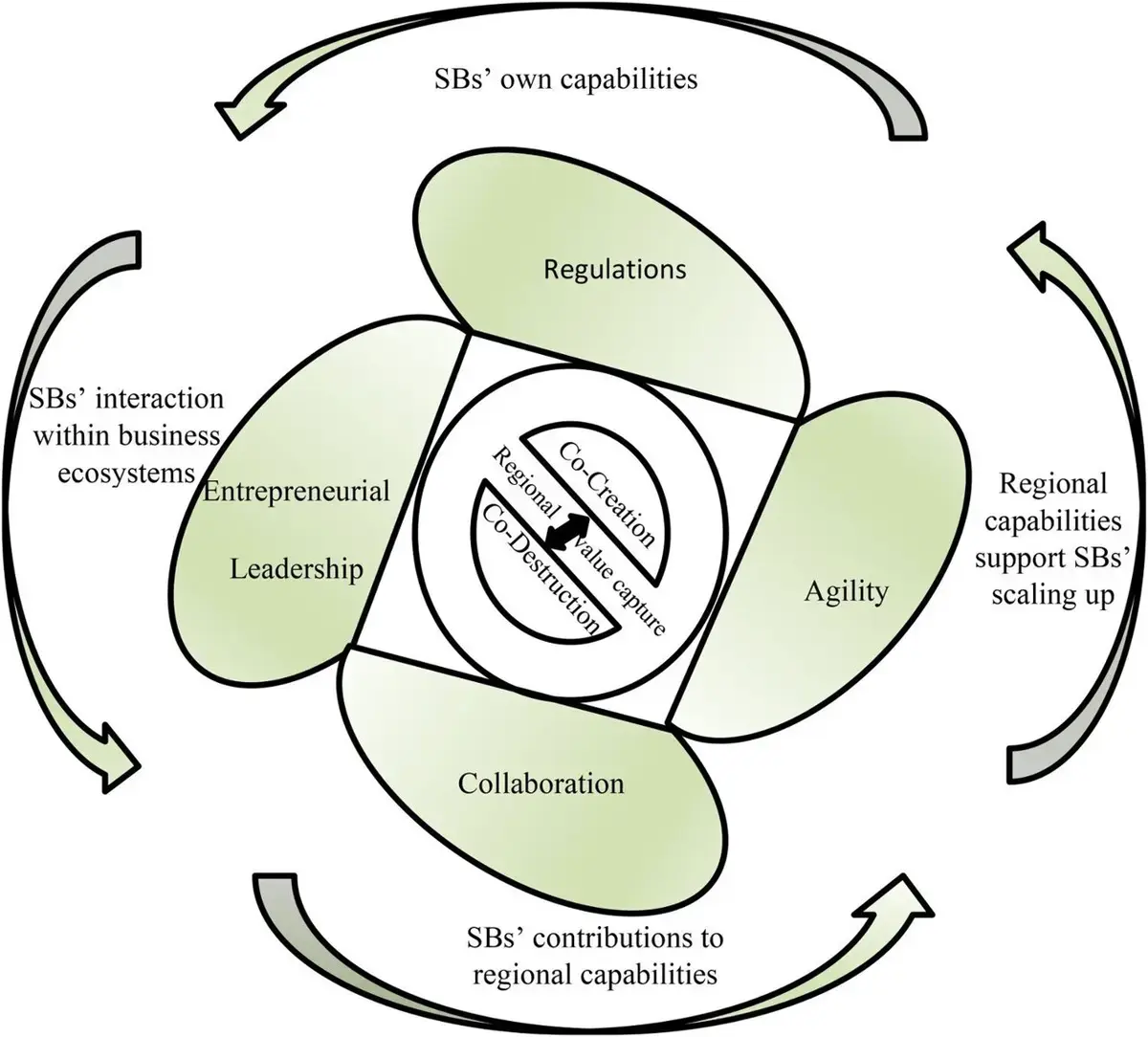
The study highlights how complex regulations can stifle innovation. Social businesses must comply with rules designed for traditional businesses. These rules may not always fit their unique operational models.
This administrative burden diverts resources. Time and money are spent on compliance instead of program delivery. It creates a significant barrier to growth and effectiveness.
Social enterprises are designed to create social good. They also need to be financially sustainable. This dual purpose can lead to internal conflicts.
What Are the Main Challenges for Social Businesses?
Decisions must balance profit generation with social impact. Sometimes, the most profitable path may not be the most socially beneficial. This tension can slow down progress and dilute their core mission.
The research suggests that policymakers need to better understand these challenges. Tailored support and streamlined regulations could make a significant difference.
Social businesses face regulatory complexity and conflicting priorities. They must balance financial sustainability with their social mission.
How Can These Challenges Be Addressed?
Governments can simplify regulations for social enterprises. Providing targeted support and fostering an understanding of their unique models are also crucial.
The findings point to a need for a more supportive ecosystem. This would allow social businesses to thrive. It would also enable them to deliver greater benefits to their communities.