What Products Are Targeted by Canada's New Tariffs?
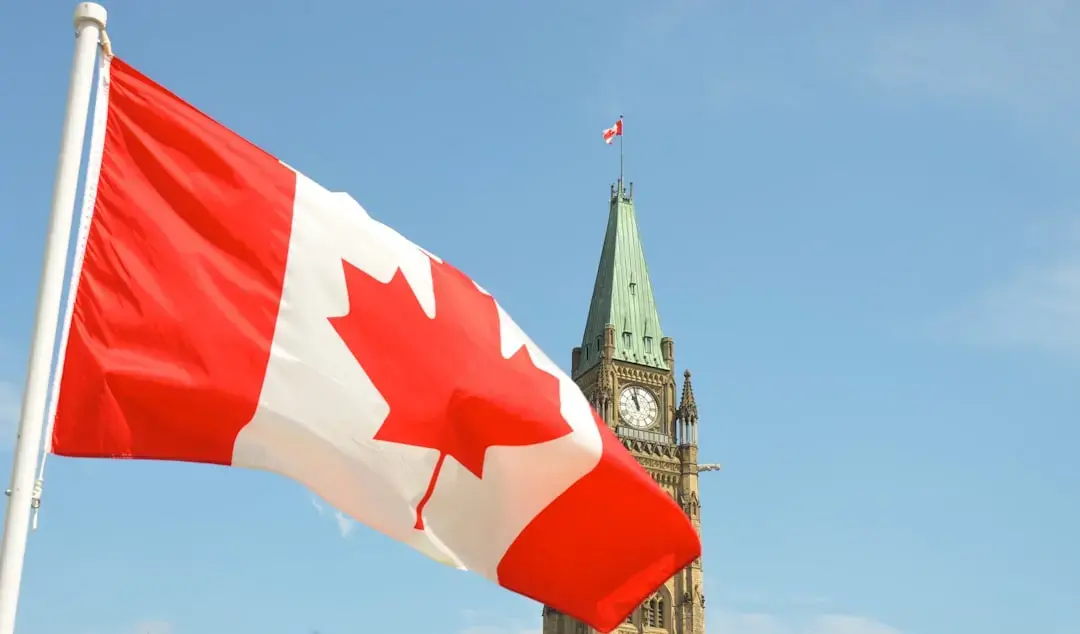
On August 22, 2026, Canada unveiled a set of new tariffs on a variety of United States products after negotiations between Ottawa and Washington broke down. The announcement came as a direct reply to earlier US warnings that duties would follow the collapse of talks. This move intensifies the ongoing trade standoff between the two North American neighbours.
Latest news
 Swedish Voters Choose New Parliament as Left-Wing Coalition Projects to Win Majority
 Trump Announces End of US Tariff on Irish Whisky
 Frances Stonor Saunders, Author of CIA Cultural Espionage Exposé, Dies at 66
 Israel and Lebanon to Hold Security Talks in Rome This October
The breakdown followed months of discussions over contentious issues such as dairy access, lumber pricing, and automotive rules of origin. US officials had repeatedly stated that failure to reach an agreement would trigger protective measures. In response, Canada decided to act first, imposing duties on selected American goods to pressure Washington back to the negotiating table. Officials said the tariffs are designed to be proportionate and to protect Canadian industries that feel disadvantaged by current trade terms.
How Will These Tariffs Affect the Outlook for Canada‑US Trade?
Canada’s tariff list includes steel and aluminum products, certain agricultural items such as pork and fresh fruit, and a range of consumer goods like appliances and furniture. Rates vary from 10 percent on some manufactured goods to as high as 25 percent on specific steel imports. The government emphasized that the selection aims to impact sectors where US exporters have a strong presence while minimizing harm to Canadian consumers.
Analysts warn that the tit‑for‑tat approach could disrupt supply chains, raise costs for manufacturers, and lead to higher prices for everyday goods on both sides of the border. While some Canadian producers may benefit from reduced competition, the broader risk is a prolonged trade dispute that could deter investment and slow economic growth. Both governments have signaled openness to resume talks, but a resolution now seems contingent on mutual concessions.
What prompted Canada to impose tariffs now? Canada acted after the US signaled that duties would follow the failure of negotiations, choosing to pre‑emptively apply pressure to bring Washington back to the table.
Frequently Asked Questions
Which industries are most likely to feel the immediate impact? US steel and aluminum producers, pork exporters, and manufacturers of appliances and furniture are expected to see the sharpest effects from the new Canadian duties.
Is there a chance the tariffs will be removed soon? Officials on both sides have expressed willingness to return to negotiations; if a new agreement is reached, the tariffs could be rolled back as part of the settlement.