Measuring Circular Progress
Eindhoven University of Technology researcher Wierikx found companies are struggling to turn their circular economy ambitions into reality. The study examined various firms' progress towards a more circular business model. This research was conducted at the Department of Industrial Engineering & Innovation Sciences.
Latest news
 Swedish Voters Choose New Parliament as Left-Wing Coalition Projects to Win Majority
 Trump Announces End of US Tariff on Irish Whisky
 Frances Stonor Saunders, Author of CIA Cultural Espionage Exposé, Dies at 66
 Israel and Lebanon to Hold Security Talks in Rome This October
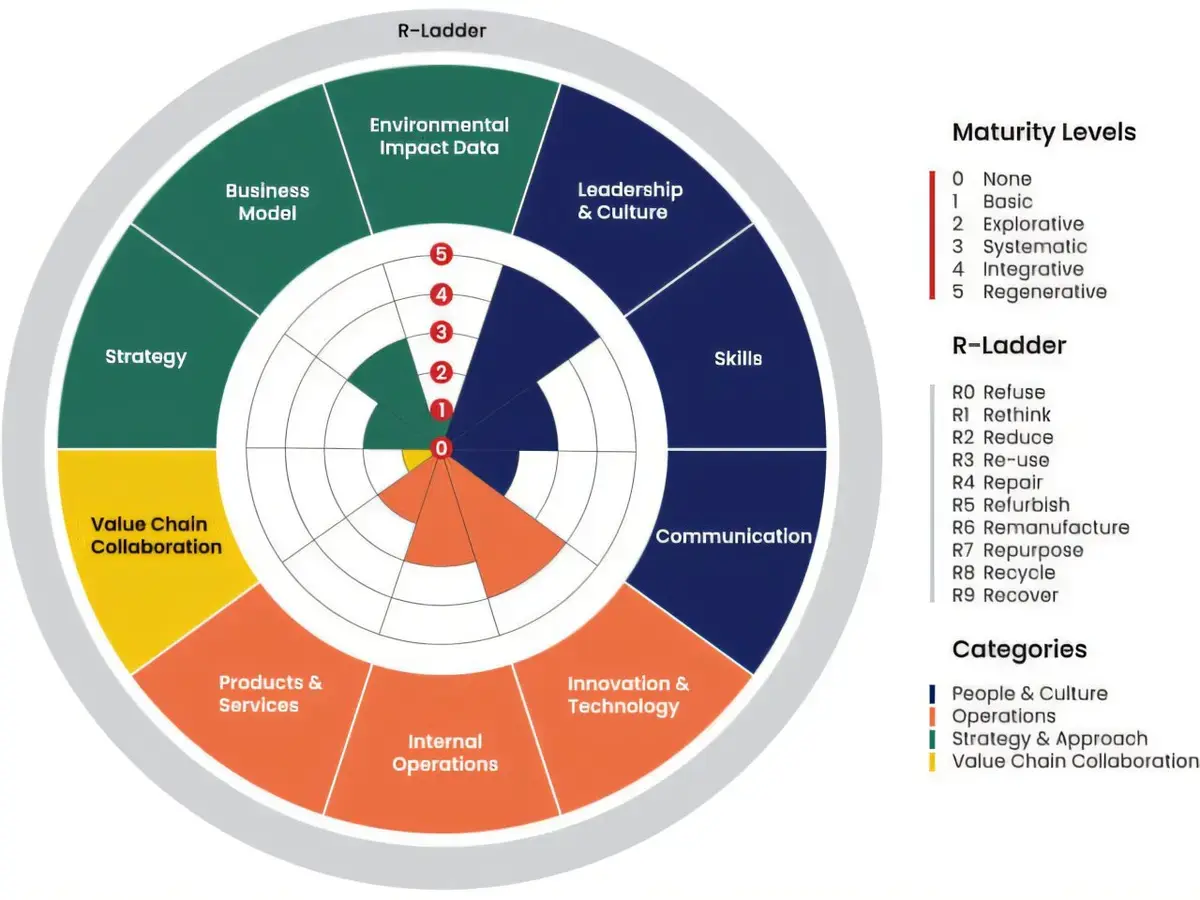
Companies are eager to adopt circular economy practices, but implementation is proving difficult. The Circular Maturity Tool was used to assess companies' readiness, evaluating 10 organizational dimensions across four key areas: People & Culture, Operations, Strategy & Approach, and Value Chain.
The tool provides a comprehensive framework for understanding a company's strengths and weaknesses in its circular economy journey. By examining these dimensions, businesses can identify areas for improvement and develop targeted strategies. Wierikx's research highlights the challenges companies face in making meaningful progress.
Can Companies Overcome the Hurdles?
Many firms are still in the early stages of circular economy development, struggling to integrate new practices into their existing operations. The study's findings suggest that a more nuanced understanding of the challenges involved is needed to drive progress. Companies must address these gaps to achieve their circular economy goals.
The inability of companies to realize their circular ambitions has significant consequences for the environment and the economy. As the world continues to grapple with the challenges of sustainability, the need for effective circular economy strategies becomes increasingly pressing.
Frequently Asked Questions
What is the Circular Maturity Tool? The Circular Maturity Tool assesses a company's readiness for a circular economy by evaluating 10 organizational dimensions. It provides a comprehensive framework for understanding strengths and weaknesses.
How can companies improve their circular economy practices? By identifying areas for improvement and developing targeted strategies, businesses can drive progress towards a more circular business model.
What are the consequences of failing to adopt a circular economy? The environmental and economic implications are significant, with potential long-term damage to ecosystems and the economy.