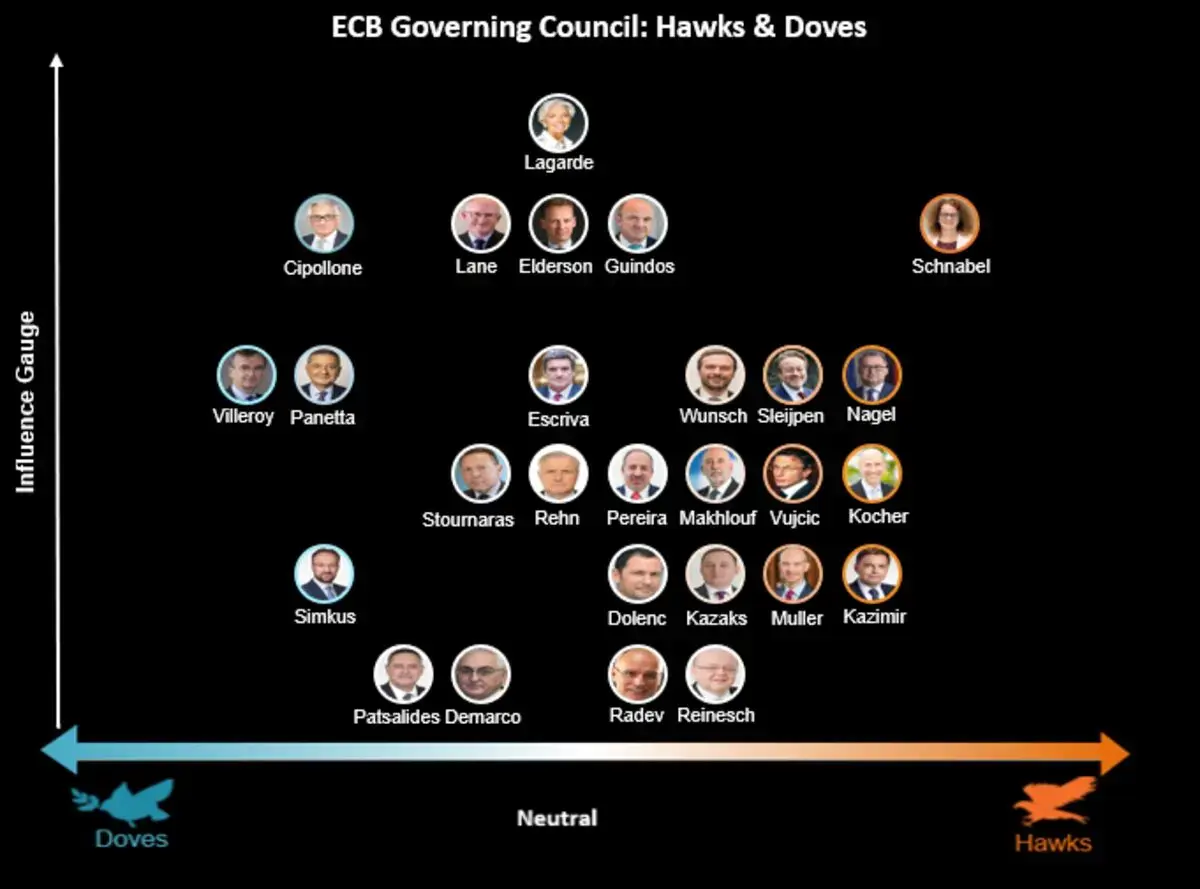
Rate Hike on the Horizon?
The European Central Bank is poised to increase interest rates next month as escalating tensions between Iran and other nations drive up prices. This move is expected to help curb inflation. The bank's decision will be influenced by the current economic climate. Global markets are experiencing significant fluctuations.
Latest news
 Swedish Voters Choose New Parliament as Left-Wing Coalition Projects to Win Majority
 Trump Announces End of US Tariff on Irish Whisky
 Frances Stonor Saunders, Author of CIA Cultural Espionage Exposé, Dies at 66
 Israel and Lebanon to Hold Security Talks in Rome This October
The ongoing conflict has led to a surge in energy costs, contributing to rising inflation across Europe. As a result, the ECB is under pressure to act swiftly. ECB official Kocher notes that the bank must respond to the changing economic landscape. The central bank's primary objective is to maintain price stability.
Kocher's comments suggest that an interest rate hike is likely, unless unforeseen circumstances arise. The ECB has been closely monitoring the situation, weighing the need to control inflation against the risk of stifling economic growth. The bank's decision will have far-reaching consequences for European economies.
Can the ECB Mitigate the Effects of the Conflict?
The current inflation rate in Europe is already high, and further price increases are expected if the conflict escalates. Kocher emphasizes that the ECB is committed to keeping inflation in check. The bank's actions will be guided by the need to maintain economic stability.
The ECB's ability to mitigate the impact of the conflict on European economies will be closely watched. While an interest rate hike may help curb inflation, it may also lead to higher borrowing costs. The bank must strike a delicate balance between controlling inflation and supporting economic growth.
The ECB's decision will have significant implications for European economies, and the bank's ability to navigate this challenging situation will be crucial. As the situation continues to unfold, the ECB will remain under pressure to respond effectively.
Frequently Asked Questions
What is the ECB's primary objective in this situation? The ECB's primary goal is to maintain price stability and curb inflation. It aims to achieve this through interest rate adjustments.
How will the ECB's decision affect European economies? The ECB's decision will have far-reaching consequences, influencing borrowing costs and economic growth. A rate hike may help control inflation but could also lead to higher borrowing costs.
Will the conflict continue to drive up prices? The ongoing conflict is likely to continue exerting upward pressure on prices, particularly energy costs, unless a resolution is reached.