What’s Behind France’s Growing Debt Burden?
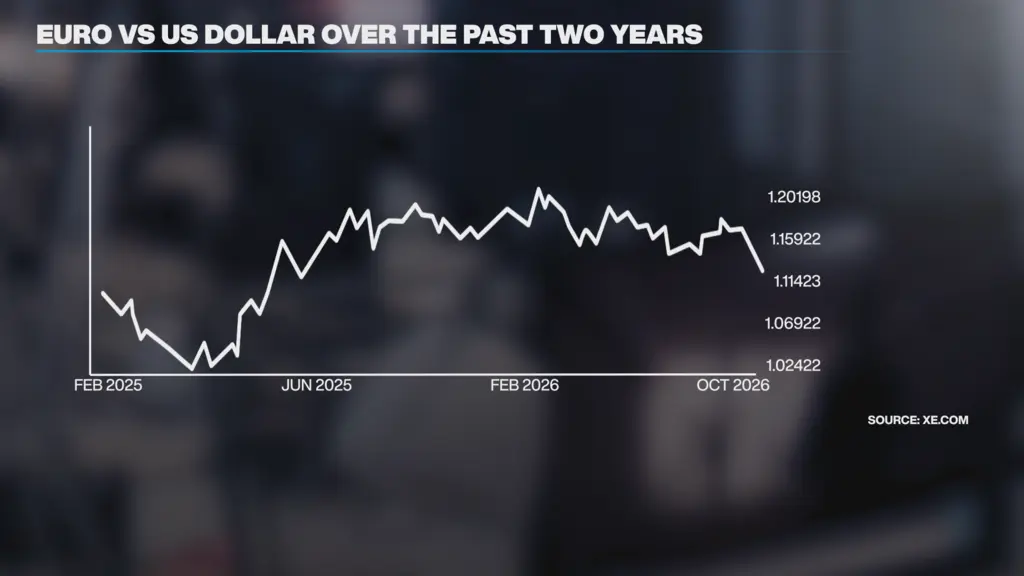
The euro slipped to its weakest level in 17 months against the US dollar on Monday, driven by growing investor anxiety over France’s rising public debt and fiscal sustainability. Currency markets reacted sharply as concerns mounted that Paris may struggle to meet its deficit targets without triggering deeper economic strain. The decline reflects broader unease about the eurozone’s fiscal cohesion, particularly as Germany and other northern economies push for stricter budget discipline. Traders noted the move was exacerbated by thin holiday trading volumes, which amplified price swings. The single currency fell below 1.07 dollars, a level not seen since mid-2023, signaling a shift in risk sentiment toward safer assets like the greenback.
Latest news
 Israel Faces Possible Civil Breakdown, CIA Warns
 AI Made the List—but Humans Still Did the Killing
 Maine's Political Bellwether Faces Test in 2026 Midterms
 Archdiocese Sues U.S. Government Over Denial of Catholic Sacraments to ICE Detainees
France’s public debt has climbed to over 115% of GDP, one of the highest ratios in the eurozone, fueled by prolonged pandemic spending, energy subsidies, and recent pension reform costs. Despite government efforts to trim the budget deficit, progress has been slow, and credit rating agencies have warned of potential downgrades if fiscal consolidation stalls. Economists say the country faces a difficult balancing act: maintaining social cohesion while satisfying market demands for restraint. The political landscape remains fragmented, making bold reforms harder to pass. This uncertainty has led investors to demand higher yields on French government bonds, widening the spread versus German Bunds and pressuring the euro.
How Are Markets Reacting to the Euro’s Slide?
Currency traders reported increased demand for US dollars as a safe haven, particularly amid mixed economic signals from the United States and lingering inflation concerns abroad. The euro’s drop was not isolated; it also weakened against the Swiss franc and Japanese yen, though the dollar move was most pronounced. Some analysts suggest the European Central Bank may face pressure to maintain higher interest rates for longer to support the currency, even as growth slows. However, others warn that aggressive tightening could deepen the region’s economic stagnation. Market watchers are now closely watching upcoming French budget announcements and ECB commentary for clues about future policy direction.
Could This Trigger Broader Eurozone Tensions?
The euro’s weakness raises questions about the durability of the currency union, especially if fiscally strained members like France or Italy continue to diverge from stricter northern counterparts. While no immediate threat to the euro’s existence is seen, prolonged disparities could fuel political tensions and complicate joint policy responses to future crises. For now, the focus remains on whether France can credibly commit to a sustainable fiscal path without undermining domestic stability. A failure to do so might keep the euro under pressure, benefiting the dollar in the near term.
Frequently Asked Questions
Why did the euro fall to a 17-month low? The euro dropped due to mounting concerns over France’s high public debt levels and doubts about the government’s ability to reduce its budget deficit without harming economic growth or social stability.
Is the euro’s decline likely to continue? Further declines are possible if France fails to present a credible fiscal plan or if broader eurozone tensions rise, though any outlook depends heavily on upcoming policy decisions and global market conditions.