Sunshine and Shadows: Florida's Precarious Position
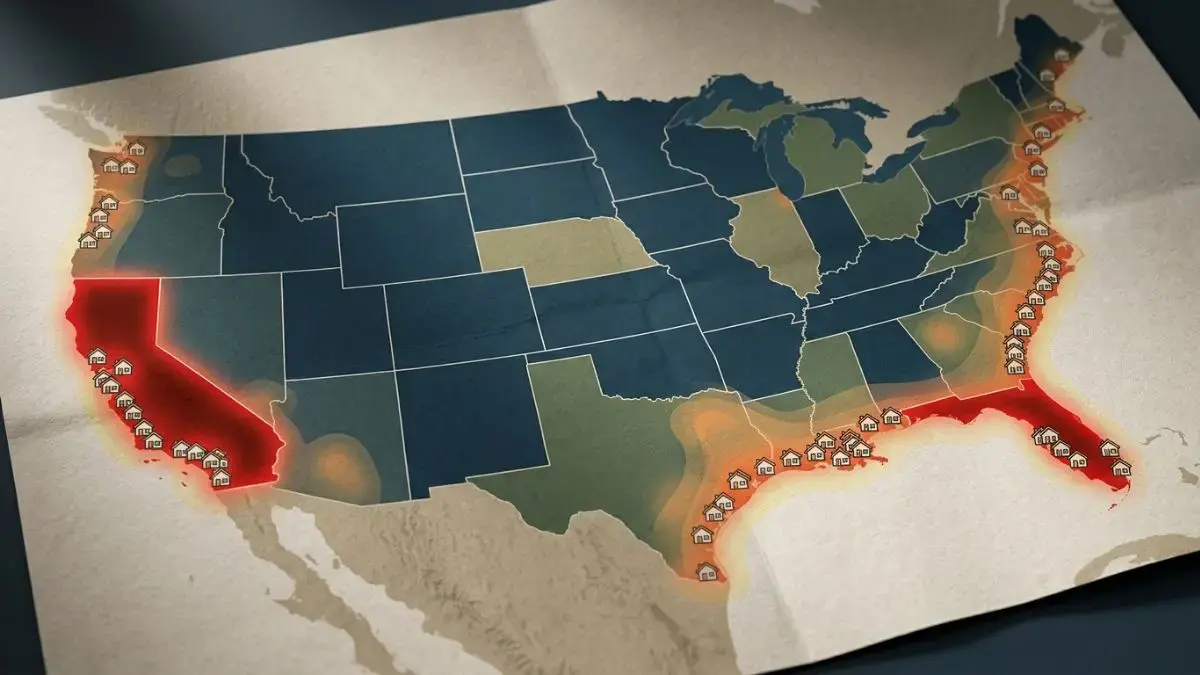
A new report identifies counties in Florida and California as having the greatest risk in the housing market. The first quarter of 2026 data shows unemployment and rising foreclosures are key factors. Conversely, Tennessee counties appear relatively stable.
Latest news
 Swedish Voters Choose New Parliament as Left-Wing Coalition Projects to Win Majority
 Trump Announces End of US Tariff on Irish Whisky
 Frances Stonor Saunders, Author of CIA Cultural Espionage Exposé, Dies at 66
 Israel and Lebanon to Hold Security Talks in Rome This October
ATTOM’s analysis examined 580 U. S. housing markets. It ranked them based on factors indicating potential distress. These included unemployment rates and the number of properties facing foreclosure. The report provides a county-level view of housing vulnerability across the nation.
Florida counties dominate the list of highest-risk areas. Several factors contribute to this trend. Rapid population growth in recent years has created housing imbalances. This, combined with economic shifts, has increased the potential for financial hardship among homeowners. The state’s reliance on tourism and service industries also makes it susceptible to economic downturns.
Can Tennessee’s Stability Be Replicated?
California counties also show significant risk. High housing costs and a competitive market create challenges for many residents. Rising interest rates and economic uncertainty are adding to the pressure. Foreclosure activity is increasing in some areas, signaling potential trouble ahead.
Tennessee stands out as a region with comparatively lower housing risk. The state’s diverse economy and relatively affordable housing market contribute to its stability. Lower unemployment rates and a more moderate pace of home price appreciation are also positive signs. Experts are examining if the Tennessee model could offer lessons for other states.
The report highlights a clear geographic divide. Areas experiencing rapid growth and high housing costs are facing greater risks. More stable markets are characterized by diverse economies and affordable housing options. Understanding these dynamics is crucial for policymakers and investors.
The increasing foreclosure rates and unemployment figures suggest a potential slowdown in the housing market. This could lead to price corrections in vulnerable areas. It also raises concerns about the financial well-being of homeowners. Monitoring these trends closely will be essential in the coming months.
Frequently Asked Questions
What specifically drives the housing risk score? The ATTOM Housing Impact Report primarily uses unemployment rates and foreclosure activity. These two factors are weighted to create a risk score for each county. Other economic indicators also contribute to the overall assessment.
Is this risk concentrated in specific areas within Florida and California? Yes, the risk isn’t uniform across these states. Certain counties, particularly those with high population density and recent growth, are showing more pronounced vulnerability. Coastal areas and regions dependent on tourism are also facing greater challenges.
Could these trends affect the national housing market? Local housing market issues can certainly impact the national picture. Significant distress in Florida and California could contribute to a broader slowdown. However, the overall health of the national economy will play a crucial role in determining the extent of any impact.