How the Parody Triggered Legal Action
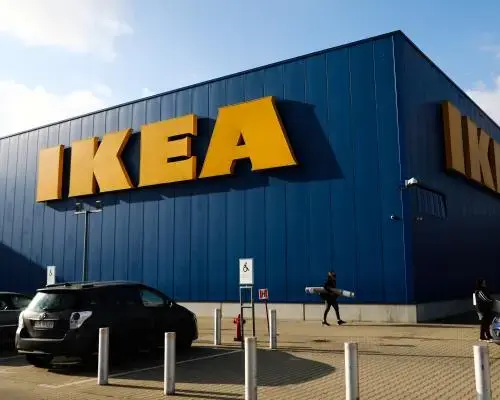
Europe's top court has granted Ikea permission to pursue legal action against Vlaams Belang, a Belgian far-right political party, for using its branding in an anti-immigration campaign. The ruling, issued on Tuesday, confirms that the Swedish furniture giant can challenge the unauthorized use of its trademarks and distinctive visual style by the party, which had mimicked Ikea’s flatpack aesthetic in promotional materials. The decision stems from a dispute over whether such parody constitutes trademark infringement under EU law, with the court siding on the side of corporate intellectual property protection. Ikea argued that the party’s campaign misappropriated its brand identity to convey political messages, potentially confusing consumers and diluting its brand value. Vlaams Belang had used imagery resembling Ikea’s catalogues and assembly instructions in materials critical of immigration, a move the company said exploited its reputation for neutrality and Scandinavian design.
Latest news
 Swedish Voters Choose New Parliament as Left-Wing Coalition Projects to Win Majority
 Trump Announces End of US Tariff on Irish Whisky
 Frances Stonor Saunders, Author of CIA Cultural Espionage Exposé, Dies at 66
 Israel and Lebanon to Hold Security Talks in Rome This October
The court emphasized that while parody is protected in some contexts, commercial exploitation of a well-known brand for political gain crosses legal boundaries when it risks misleading the public about the brand’s stance or endorsement. This ruling sets a precedent for how far political groups can go in adapting corporate branding without consent, particularly when the use is tied to divisive social messaging.
What Does This Mean for Political Campaigns Using Corporate Imagery?
The conflict arose when Vlaams Belang distributed campaign materials featuring blue-and-yellow color schemes, simple line drawings, and instructional-style graphics eerily similar to those found in Ikea product manuals. These were paired with slogans opposing immigration, which Ikea claimed falsely associated the brand with the party’s ideology. The company stated it does not engage in political advocacy and sought to prevent any perception of endorsement. Internal documents showed Ikea had previously objected to similar uses of its design language by other groups, but this was the first instance where legal escalation was deemed necessary. The court noted that the party’s use went beyond satire by leveraging Ikea’s global recognition to amplify a political message, thus fulfilling the criteria for trademark infringement under EU regulations.
Experts say the case hinges on whether the average consumer might believe Ikea supports the party’s views—a threshold the court found met in this instance.
This decision signals that political entities cannot freely co-opt established brand aesthetics for polemical purposes without risking legal repercussions, even if framed as parody. It reinforces that trademark rights extend beyond preventing consumer confusion about product origin to protecting against reputational harm or unwanted ideological associations. For Ikea, the win allows it to proceed with formal legal proceedings to seek damages and an injunction against further use of its branding by Vlaams Belang. The party may now face financial penalties or be forced to withdraw existing materials. Analysts suggest the ruling could prompt other corporations to monitor political usage of their visual identities more closely, especially in an era where digital tools make imitation easy. While freedom of expression remains important, the court affirmed it does not override intellectual property rights when commercial branding is exploited for political gain in ways that mislead or harm the brand’s image.
Why did Ikea object to Vlaams Belang’s use of its branding? Ikea argued that the far-right party’s use of its distinctive blue-and-yellow color scheme, simple graphics, and instruction-style layouts in anti-immigration materials risked misleading the public into thinking the company endorsed the party’s views, which it does not.
Frequently Asked Questions
Can political parties still parody brands under this ruling? Parody is permitted under EU law, but the court ruled that Vlaams Belang’s use crossed into trademark infringement because it exploited Ikea’s reputation for political gain, creating a likelihood of confusion about the brand’s stance or endorsement.
What happens next in the case? Ikea can now formally sue Vlaams Belang in national courts to seek damages and an injunction preventing further use of its trademarks, with the European Court’s ruling removing a key legal barrier to proceeding.