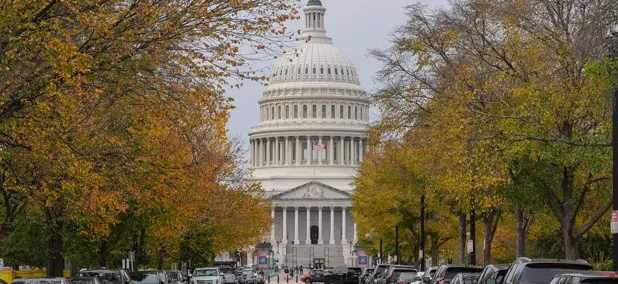
Why liability protection matters for threat sharing
A coalition of 35 industry organizations is urging U. S. lawmakers to renew the Cyber Threat Information Sharing Act. The proposal aims to extend liability protections for companies that share threat data. Banks, utilities, and tech firms are leading the effort. The groups want Congress to include the renewal in the annual defense authorization bill. This approach ensures the law stays active through 2035. The coalition includes major players from finance, energy, and technology sectors. They argue that legal certainty is critical for continued information exchange. Without this protection, companies may hesitate to share sensitive cyber intelligence. The bill would codify these safeguards for another decade. This move reflects growing concern over coordinated cyberattacks on critical infrastructure.
Latest news
 European Force to Hold First Ukraine Support Exercise in Poland
 Supreme Court Blocks Trump Bid to Disenfranchise California Voters
 Indonesian wildfire haze chokes Singapore and Malaysia
 Asia-Pacific Nations Brace for Shifting US Foreign Policy Priorities
Will Congress act before the law expires?
The core issue is legal risk. When companies share threat indicators, they risk revealing proprietary data or customer information. The existing law shields participants from lawsuits if they disclose information in good faith. Industry leaders say this shield is essential for open communication. Without it, firms face potential class-action suits from data breaches. The coalition argues that renewing the law keeps the threat-sharing ecosystem functional. They want the protection to run until 2035. This long-term stability encourages more organizations to join the network. The defense authorization bill serves as the vehicle for this legislative change. Lawmakers have agreed to consider the provision during committee review.
Time is a factor. The current statute has a sunset clause. If not renewed, the protections lapse automatically. The coalition is pressing for immediate action. They submitted a formal request to relevant committees. Lawmakers must vote on the defense bill before the deadline. Failure to act could leave critical infrastructure operators exposed. The groups emphasize that cyber threats do not pause for legislative sessions. They need certainty to plan their security strategies. The bill’s passage would provide that certainty for the next decade.
Frequently Asked Questions
How long would the renewed protection last? The proposed renewal extends liability shields through 2035, giving companies a full decade of legal clarity. Which industries are part of the coalition? The group includes banks, utility companies, and technology firms, totaling 35 distinct industry organizations. What happens if Congress does not renew the law? The liability protections would expire, potentially discouraging companies from sharing threat data due to increased legal risk.