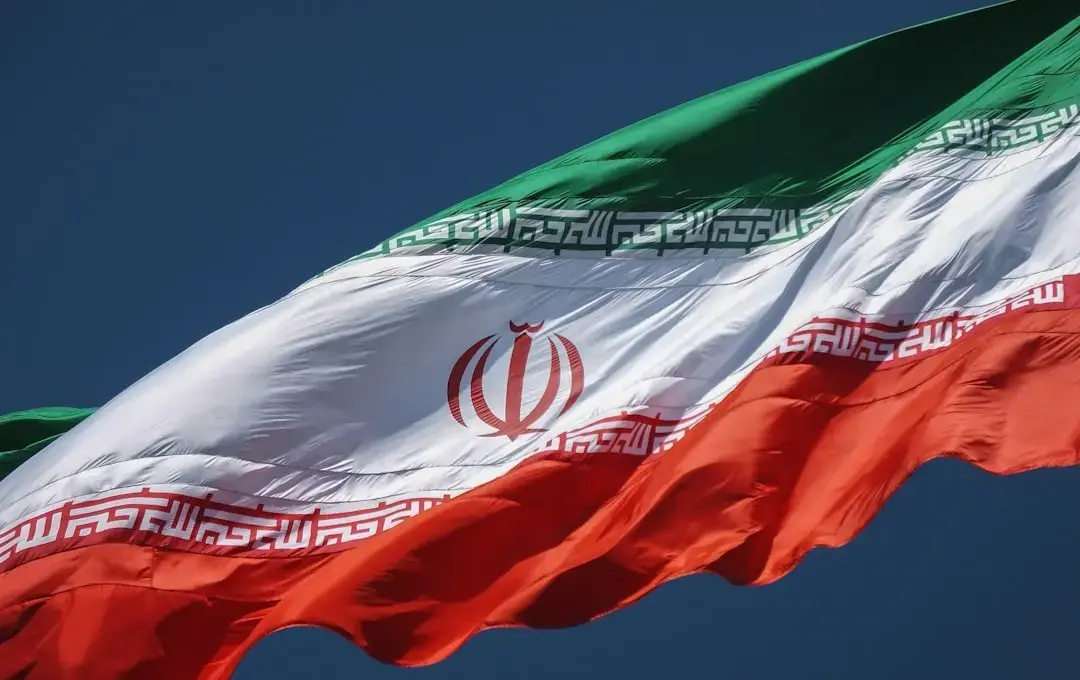
Missile Strikes Test Regional Stability
Iran launched missile strikes toward Israel on Sunday, marking 100 days of conflict between the two nations. The prolonged clash has disrupted regional stability and rattled global markets, pushing oil prices higher.
Latest news
 Swedish Voters Choose New Parliament as Left-Wing Coalition Projects to Win Majority
 Trump Announces End of US Tariff on Irish Whisky
 Frances Stonor Saunders, Author of CIA Cultural Espionage Exposé, Dies at 66
 Israel and Lebanon to Hold Security Talks in Rome This October
The war began with predictions of a short, decisive campaign. Instead, the conflict has deepened, with both sides exchanging attacks and testing a fragile Middle East ceasefire. Analysts warn of growing risks as tensions escalate.
How Long Will the Conflict Last?
Iran’s latest assault, involving multiple ballistic missiles, targeted Israeli military sites. Israeli forces responded with air defenses, though no casualties were immediately reported. The attacks highlight the war’s unpredictable nature, with each escalation raising fears of wider regional involvement. Oil prices surged 3% amid concerns over supply disruptions in the Persian Gulf.
Initial forecasts suggested a resolution within weeks. Now, experts debate whether the war could stretch into months. Diplomatic efforts remain stalled, with neither side showing clear signs of de-escalation. The 100-day milestone underscores the conflict’s complexity and lack of a defined endgame.
The prolonged crisis risks worsening humanitarian conditions in the region. Economic ripple effects are already evident, with global investors seeking safer assets. Further military actions could trigger sanctions or international mediation attempts.
Frequently Asked Questions
What triggered the 100-day escalation? Escalation followed a series of cross-border attacks, cyber warfare, and proxy battles in neighboring countries. Recent missile strikes signal a shift to direct confrontation.
How has the conflict affected global markets? Oil prices have risen sharply due to fears of supply chain disruptions. Stock markets remain volatile, reflecting uncertainty over the war’s economic impact.