Oil Prices Surge Amid Heightened Tensions
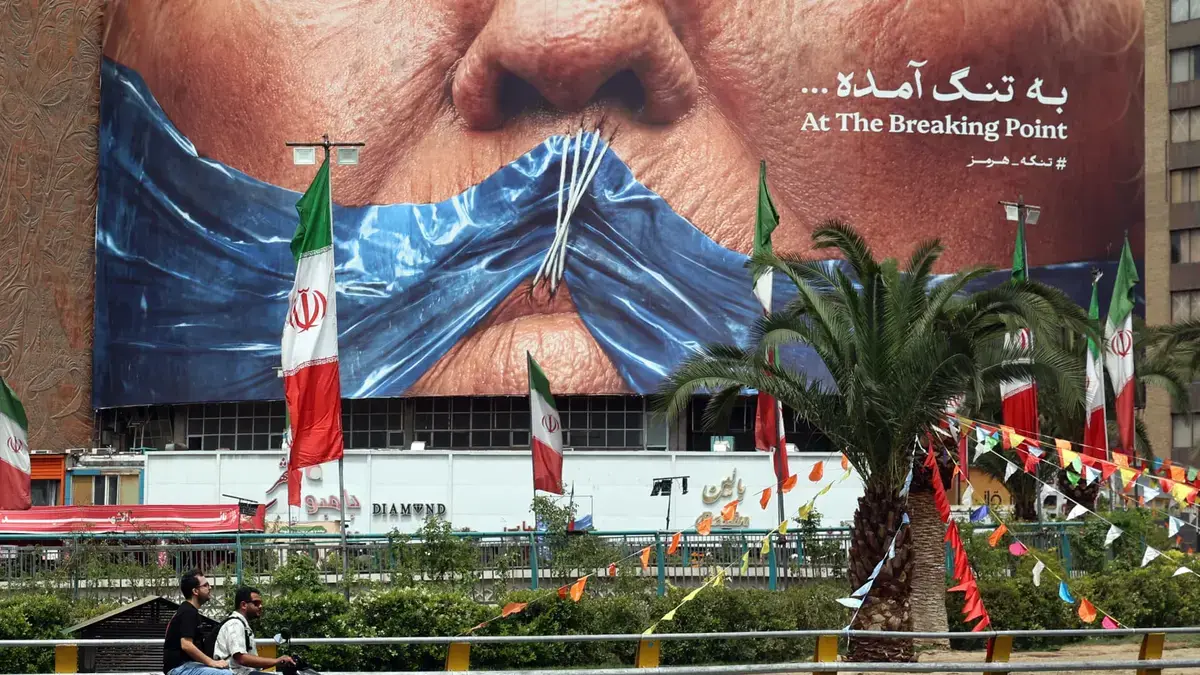
The conflict between Iran and the United States entered its 100th day on June 22, 2025. Demonstrators gathered in Tehran’s Revolution Square, chanting slogans and displaying a vampire‑like portrait of President Donald Trump. The protests followed a series of U. S. strikes on Iranian nuclear facilities.
Latest news
 Swedish Voters Choose New Parliament as Left-Wing Coalition Projects to Win Majority
 Trump Announces End of US Tariff on Irish Whisky
 Frances Stonor Saunders, Author of CIA Cultural Espionage Exposé, Dies at 66
 Israel and Lebanon to Hold Security Talks in Rome This October
The war has disrupted supply chains and heightened geopolitical risk. Investors reacted to each missile launch and diplomatic overture, driving volatility across commodities, equities, and currencies. Analysts say the sustained tension is reshaping risk premiums and forcing firms to rethink regional exposure. The escalation also fuels uncertainty in peace talks, which remain stalled despite intermittent back‑channel efforts.
Crude oil benchmarks have risen sharply since the conflict began. Brent crude climbed from $78 a barrel in early May to above $92 by the 100‑day mark. The price jump reflects fears of supply interruptions through the Strait of Hormuz, a key chokepoint for global oil shipments. Producers in the Gulf have increased output, but logistics bottlenecks keep the market tight. Energy traders cite the war as a primary driver of the recent rally, noting that even modest disruptions can trigger outsized price moves.
Will Regional Conflict Drag Global Economies Into Recession?
Economists warn that prolonged instability could spill over into broader economic slowdown. Higher oil prices raise production costs for manufacturers worldwide, squeezing profit margins. Emerging markets, especially those dependent on imported energy, face balance‑sheet pressures and rising inflation. Central banks may be forced to tighten monetary policy earlier than planned, curbing growth. While some regions benefit from higher commodity revenues, the overall outlook remains fragile as investors weigh the risk of further escalation against any diplomatic breakthrough.
The next weeks will determine whether markets can absorb the shock or whether the war will trigger deeper economic turbulence. If negotiations succeed, a rapid de‑escalation could restore confidence and stabilize prices. Conversely, continued hostilities risk entrenching volatility, pressuring global supply chains and prompting a reassessment of risk across asset classes.
Frequently Asked Questions
What triggered the recent protests in Tehran? Demonstrators reacted to a series of U. S. airstrikes on Iranian nuclear sites, viewing the attacks as an infringement on Iran’s sovereignty and a catalyst for broader conflict.
How have currency markets responded to the war? The Iranian rial has weakened sharply, while safe‑haven currencies such as the Swiss franc and Japanese yen have appreciated as investors seek stability amid uncertainty.
Is there any sign of a ceasefire on the horizon? Diplomatic channels remain open, but no concrete ceasefire agreement has emerged. Negotiations are ongoing, with both sides maintaining firm positions on key demands.