Challenging US Oil Tariffs Through Multilateral Dialogue
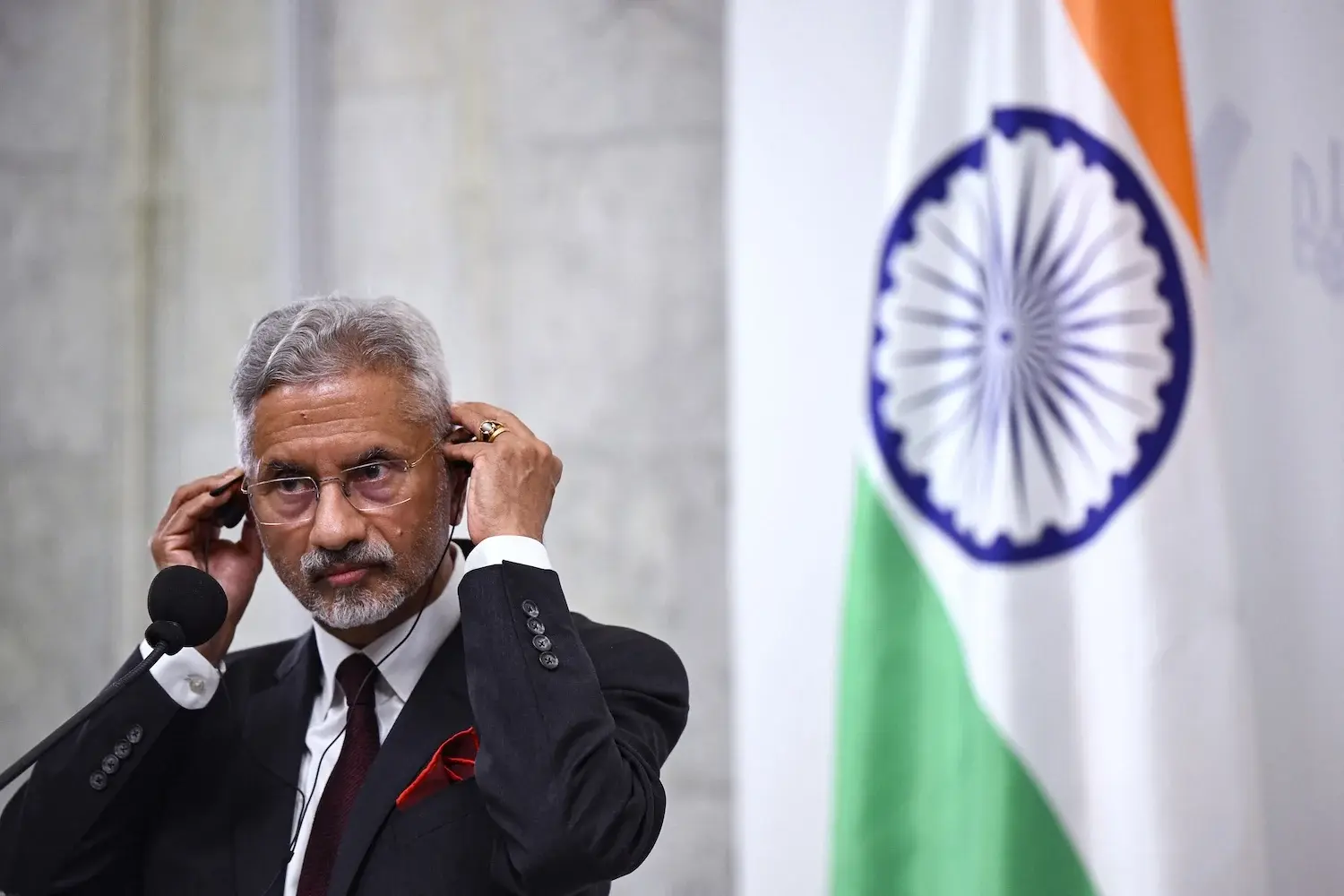
New Delhi has dispatched External Affairs Minister S. Jaishankar to lead the Indian delegation at the United Nations General Assembly. The high-ranking diplomat will represent the nation during this critical period of global diplomatic engagement. His primary objective is to address emerging economic pressures facing developing nations. Specifically, he aims to challenge new tariff structures imposed by major economies. This move signals India’s intent to defend its trade interests on the world stage. The mission underscores the government’s focus on multilateral diplomacy.
Latest news
 Gaza Residents Face Upcoming Israeli Elections With Deep Concern and Little Hope
 Court Orders White House to Reinstate Media Credentials
 Elif Eralp Aims to Become Berlin's First Turkish‑Origin Mayor
 Pentagon spending hits historic one trillion dollar mark for first time ever
The core of Jaishankar’s strategy involves countering recent US tariff policies. These new duties target countries that purchase oil from specific suppliers. India views these measures as restrictive and potentially punitive. By leading the delegation personally, the minister highlights the gravity of the issue. He seeks to rally support from other developing nations. The goal is to create a unified front against protectionist trends. This approach reflects a broader shift in how India navigates complex geopolitical alliances. It demonstrates a willingness to push back against unilateral economic decisions.
The proposed tariffs would penalize nations buying crude oil from certain regions. India argues that such penalties disrupt established energy supply chains. The minister plans to use the General Assembly platform for dialogue. He intends to propose alternative frameworks for international trade. These frameworks aim to balance national security concerns with economic stability. Jaishankar will engage with counterparts from key trading partners. The focus remains on reducing friction in bilateral relations. India wants to ensure that energy access does not become a political weapon. This stance protects domestic fuel prices and industrial competitiveness. It also supports long-term energy security goals for the country.
How Will India Protect Its Energy Interests?
India’s reliance on imported oil makes it vulnerable to external shocks. The new tariffs could increase costs for Indian consumers. They might also raise expenses for manufacturing sectors. Jaishankar’s diplomatic push seeks to mitigate these risks. He will advocate for exemptions or phased implementation of tariffs. The delegation will present data supporting India’s position. This evidence-based approach aims to build credibility among allies. The strategy includes strengthening ties with non-aligned nations. By doing so, India can diversify its diplomatic support base. This reduces dependence on any single bloc within the UN system.
The outcome of these negotiations will shape future trade agreements. A successful push could lead to revised tariff schedules. Failure might result in higher import costs for India. The government remains committed to protecting its economic sovereignty. Future sessions may see similar challenges from other major powers. India’s proactive stance sets a precedent for other developing economies. It encourages them to assert their rights in multilateral forums. The long-term impact will depend on the cohesion of the coalition formed. Stronger unity among developing nations could reshape global trade norms.
Frequently Asked Questions
Who is leading India’s delegation to the UN General Assembly? S. Jaishankar, the External Affairs Minister, is heading the mission. He represents New Delhi in high-level diplomatic discussions.
What is the main goal of Jaishankar’s visit? The primary aim is to oppose new US tariffs on oil buyers. He seeks to protect India’s energy imports and trade interests.
How does this affect other developing nations? It encourages them to join India in challenging protectionist measures. A united front can help negotiate better terms globally.