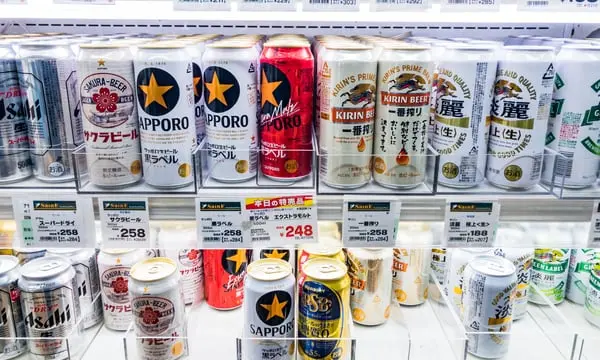
Are Price Increases Justified by Rising Costs?
Japan's Fair Trade Commission secretary general issued an unusual public warning on October 15, 2026, targeting potential cartel-like behavior among major beer producers amid sustained price increases across the market. The alert comes as consumer confidence faces pressure from rising costs of essential goods, with the regulator emphasizing its commitment to monitoring competitive practices in the beverage sector.
Latest news
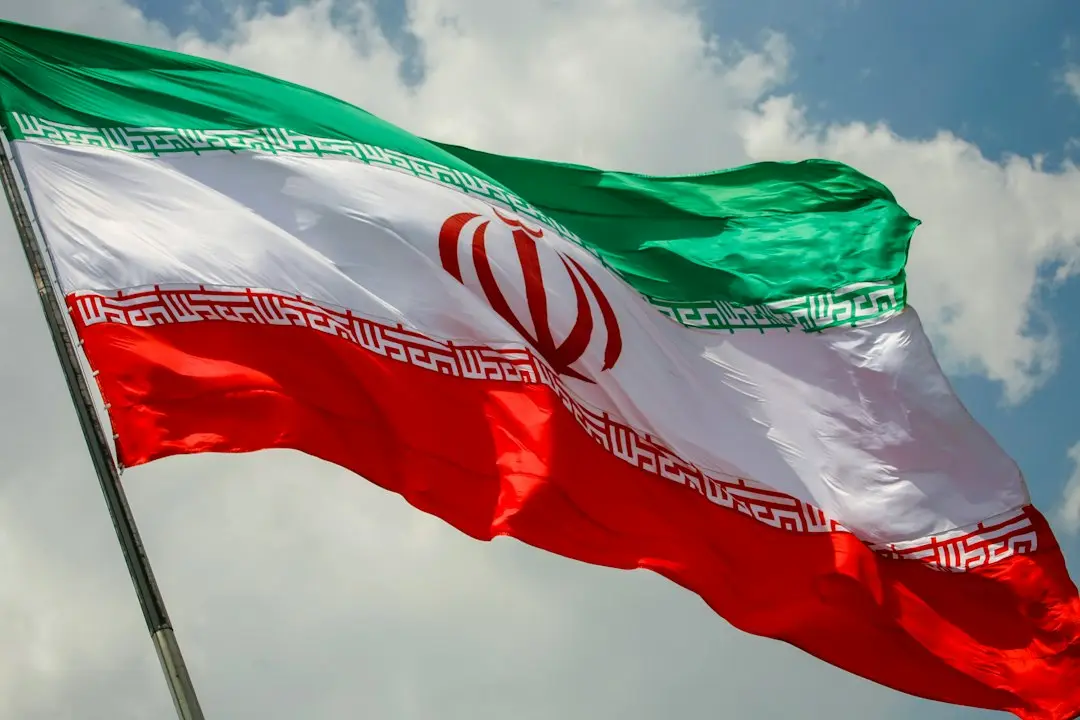 Iran Must Prepare for War Despite Ongoing Talks with US, Says Parliament Speaker
 Saudi Arabia Reverses Course, Escalates Yemen Conflict After Houthi Gains
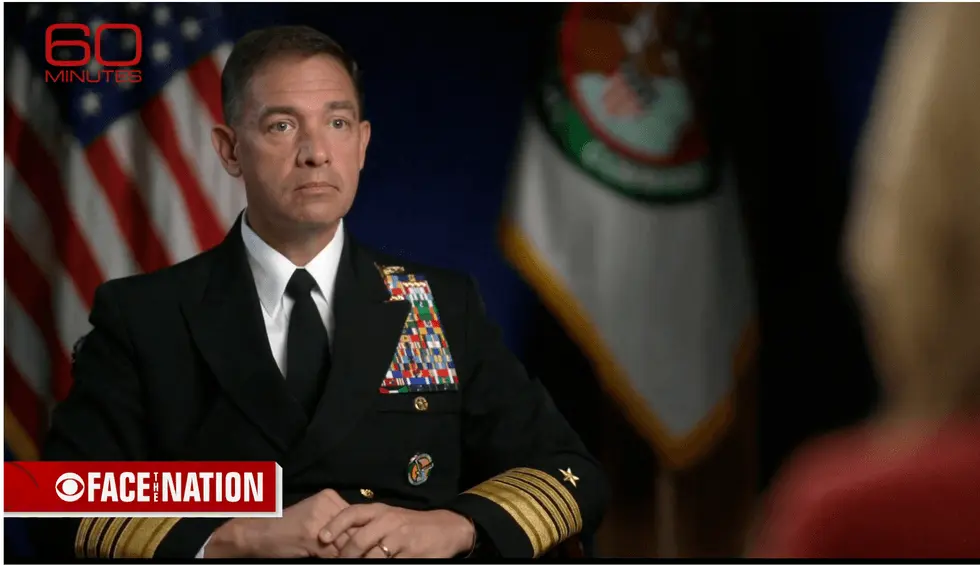 Defense Secretary Announces Major Cut to Senior Military Ranks
 MP Calls for End to Ban on Palestine Action Group Following Book Sales Dispute
The warning highlights growing concerns that coordinated pricing strategies could be undermining fair competition, particularly as household budgets tighten. Officials noted that while no specific companies were named, the commission has observed patterns warranting closer scrutiny of pricing decisions within Japan's concentrated beer market, where a few large firms dominate sales.
What Actions Could the Commission Take Next?
Regulators are examining whether recent price hikes align with actual increases in production expenses such as ingredients, packaging, and transportation, or if they reflect anti-competitive coordination. The Japan Fair Trade Commission has requested detailed cost breakdowns from leading breweries to assess transparency and ensure consumers are not being overcharged through collusive practices. Industry analysts suggest that barley and hop prices have risen moderately, but not enough to fully explain the magnitude of retail price jumps observed in supermarkets and convenience stores.
If evidence of improper coordination emerges, the Japan Fair Trade Commission may launch a formal investigation, potentially leading to cease-and-desist orders or financial penalties under antimonopoly laws. Past interventions in other sectors have resulted in mandated price adjustments and improved compliance programs. The regulator stressed that its warning serves both as a deterrent and a signal that vigilant oversight remains active, especially in industries affecting daily household spending.
Why did the secretary general issue a public warning instead of a private inquiry? The public nature of the warning reflects heightened concern about consumer trust and aims to discourage any tacit agreement among competitors before harmful practices become entrenched.
Frequently Asked Questions
Which beer companies are under scrutiny? No specific firms were named in the warning; the commission stated its focus is on market-wide behavior rather than targeting individual producers at this stage.
How might this affect beer prices in the near term? Prices may stabilize if producers adjust strategies in response to regulatory scrutiny, though any formal action would take time to influence market outcomes.