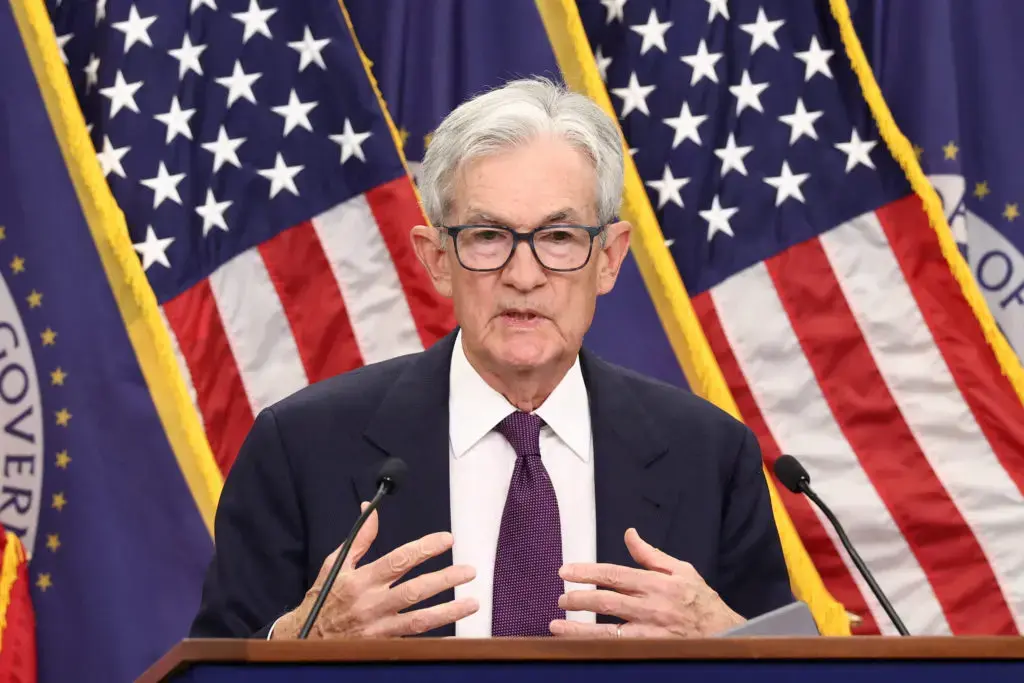
Navigating Uncharted Economic Waters
Jerome Powell's eight-year term as Federal Reserve chair ended on May 15, 2026. Powell led the US central bank through significant economic challenges. His leadership spanned multiple presidencies and major global events. The Fed played a crucial role in shaping the US economy.
Latest news
 Swedish Voters Choose New Parliament as Left-Wing Coalition Projects to Win Majority
 Trump Announces End of US Tariff on Irish Whisky
 Frances Stonor Saunders, Author of CIA Cultural Espionage Exposé, Dies at 66
 Israel and Lebanon to Hold Security Talks in Rome This October
Powell took office in February 2018, initially appointed by President Donald Trump. He was later reappointed by President Joe Biden. During his tenure, the Fed navigated the COVID-19 pandemic, implemented monetary policies, and managed inflation concerns. Powell's decisions had far-reaching impacts on interest rates, employment, and financial markets.
Powell's leadership was marked by unconventional monetary policies, including quantitative easing and emergency lending programs. These measures helped stabilize the economy during the pandemic. The Fed also raised interest rates to combat rising inflation, a move that had significant effects on borrowing costs and consumer spending.
Can the Fed Maintain Economic Stability?
Critics argued that the Fed's actions contributed to asset price inflation and widened wealth disparities. Supporters, however, credited Powell with maintaining economic stability and promoting job growth. The Fed's balance sheet expanded significantly under Powell's watch, from around $4 trillion to over $8 trillion.
The end of Powell's tenure raises questions about the Fed's future direction. The new leadership will face ongoing challenges, including managing inflation, addressing financial stability concerns, and responding to global economic shifts. The US economy's resilience will be tested in the coming months and years.
The consequences of Powell's legacy will be closely watched by economists and policymakers. The Fed's ability to maintain economic stability will depend on its response to emerging challenges. As the US economy continues to evolve, the impact of Powell's decisions will remain a subject of debate.
Frequently Asked Questions
What were the key challenges faced by Powell during his tenure? Powell navigated the COVID-19 pandemic, managed inflation concerns, and implemented unconventional monetary policies. He also addressed financial stability concerns and responded to global economic shifts.
How did Powell's leadership impact interest rates? The Fed raised interest rates under Powell's leadership to combat rising inflation. This move had significant effects on borrowing costs and consumer spending.
What is the expected impact of Powell's departure on financial markets? The end of Powell's tenure may lead to increased uncertainty in financial markets. The new leadership's decisions will be closely watched by investors and economists.