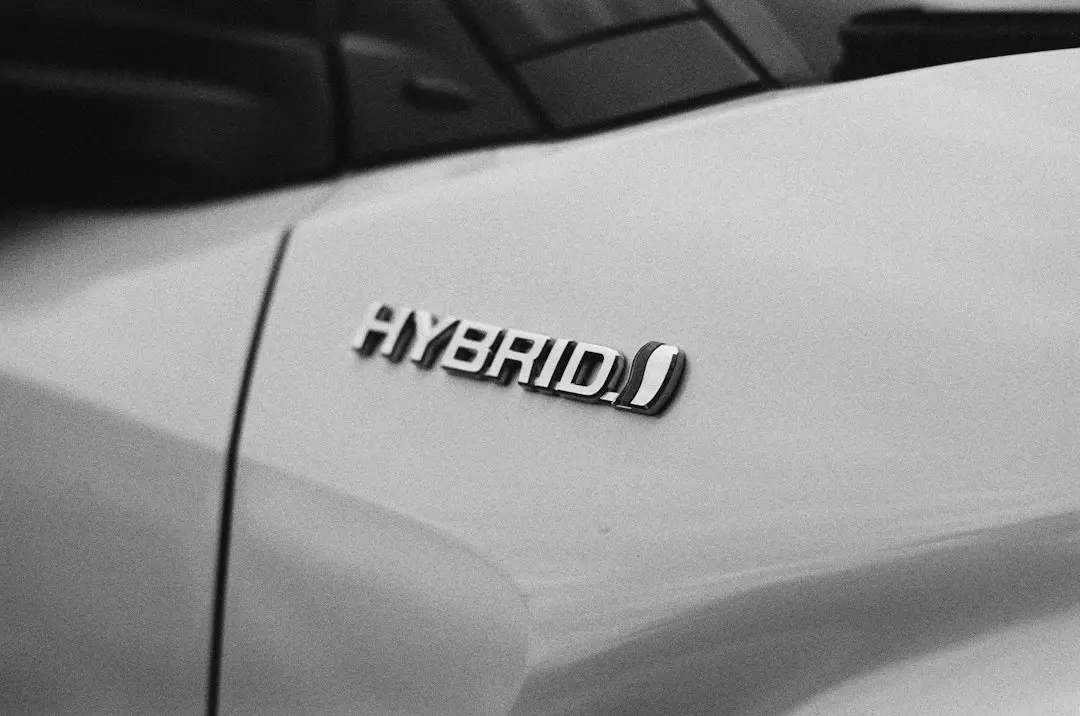
Infrastructure Mismatch for Hybrid Drivers
A recent analysis of the top 20 plug-in hybrid electric vehicles (PHEVs) sold in the United Kingdom reveals a significant technical limitation. Only 26 percent of these popular models are equipped to utilize rapid charging stations with a power output of 50 kilowatts or higher, leaving most owners reliant on slower charging methods.
Latest news
 UN Expands Settlement Blacklist With 61 New Firms
 Labour Party Conference Signals New Leadership and Political Direction
 Trump Renames Vital Waterway in Social Media Post
 Blood Pressure Drop Can Shield the Brain
Plug-in hybrids are marketed as a versatile middle ground for drivers. They combine traditional combustion engines with electric batteries, allowing users to cover long distances while theoretically reducing overall carbon emissions. However, the inability to access high-speed chargers complicates the transition to electric-only driving for many commuters.
The current charging network is expanding rapidly to support fully electric vehicles, which prioritize high-speed DC charging. Many hybrid models, however, are designed primarily for slower AC charging at home or in residential areas. This design choice forces drivers to spend significantly longer periods connected to a power source.
Are Hybrids Losing Their Practical Appeal?
Even as manufacturers promote these vehicles as an eco-friendly solution for longer trips, the hardware often fails to keep pace with modern infrastructure. Owners expecting to top up their batteries quickly during long journeys are frequently disappointed. The technical constraints mean that the electric-only range remains difficult to replenish efficiently while on the road.
The reliance on slower charging speeds may undermine the primary benefit of owning a hybrid. If drivers cannot effectively recharge their batteries during short stops, they inevitably revert to using the internal combustion engine. This defeats the purpose of the electric component, leading to higher fuel consumption and increased emissions.
Frequently Asked Questions
As the automotive industry shifts toward full electrification, the gap between hybrid capabilities and charging infrastructure becomes more apparent. Consumers must now carefully evaluate whether their specific vehicle model supports the charging speeds available along their regular routes. Without hardware upgrades, many hybrid owners will continue to face significant charging delays.
Why can most plug-in hybrids not use rapid chargers? Most PHEVs are built with smaller onboard chargers designed for slower AC power rather than the high-voltage DC power used by rapid chargers. This design helps keep vehicle costs lower and battery sizes manageable.
Does this limitation affect the vehicle's fuel efficiency? Yes, it can lead to higher fuel consumption. If a driver cannot charge the battery quickly during a trip, the car relies more on the gasoline engine, reducing the overall environmental benefits.