
Diplomatic Signals Reshape Energy Futures
Global oil markets reacted swiftly to diplomatic developments on Wednesday. President Donald Trump announced that representatives from the United States and Iran had engaged in negotiations at the United Nations headquarters. He described the session as very goodand emphasized its productive nature. This positive assessment immediately influenced trading floors worldwide. Investors interpreted the remarks as a signal of potential de-escalation between the two major powers. Consequently, demand for safe-haven assets decreased while energy futures adjusted downward. The market response was immediate and measurable across key benchmarks.
Latest news
 Israeli Airstrike Targets Vehicle in Southern Gaza
 Azerbaijan Releases French National Following European Union Sanctions Relief
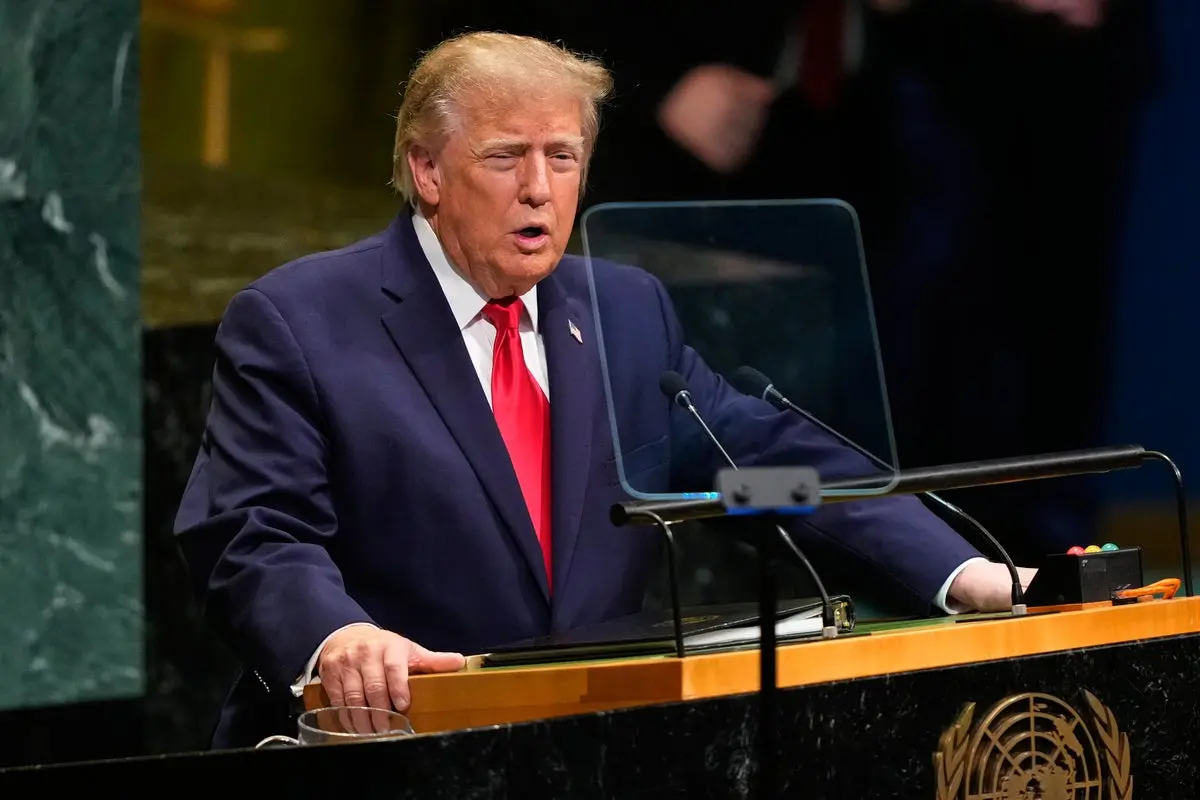 Fact-Checking Claims Made During Recent Presidential Address to the United Nations
 Trump Escalates Media Feud With Bizarre Social Media Attack
The primary international benchmark, Brent crude, saw its value decline significantly during the trading day. Prices settled near $98.91 per barrel, reflecting the reduced geopolitical risk premium. Simultaneously, the main US contract known as West Texas Intermediate also retreated. This domestic benchmark dropped to approximately $89.93 per barrel. Both figures represent a noticeable dip from previous levels. Traders moved quickly to lock in gains or adjust positions based on the new diplomatic tone. The drop highlights how sensitive energy markets remain to high-level political statements. Even brief interactions between rival nations can shift global supply expectations.
The specific language used by the White House played a crucial role in this price adjustment. By labeling the talks as very productive, Trump signaled that progress was being made. This phrasing suggested that the two sides were finding common ground on contentious issues. Such diplomatic optimism often correlates with lower volatility in commodity markets. When conflict seems likely, investors typically bid up oil prices to account for supply disruptions. Conversely, signs of cooperation suggest a smoother flow of energy resources. The UN setting added an additional layer of formal gravity to the discussions. It indicated that both parties were willing to engage under international scrutiny. This transparency helped stabilize investor confidence throughout the week.
How Do These Talks Affect Global Supply?
Market analysts noted that the reaction was not just speculative but grounded in fundamental shifts. The reduction in perceived risk meant that physical supply concerns eased slightly. Producers in the Gulf region might face less pressure if tensions cool down. This could allow for more predictable export schedules and shipping routes. The financial sector closely monitors these diplomatic cues because they directly impact inflation rates. Lower oil prices can translate into cheaper transportation costs for consumers. This ripple effect extends beyond energy into broader economic indicators. Therefore, the initial price drop is part of a larger chain of economic adjustments.
The outcome of these negotiations will determine the long-term trajectory of oil prices. If the talks lead to a formal agreement, supply chains may stabilize further. However, if the productivephase stalls, prices could rebound quickly. Investors are watching for follow-up statements from both Tehran and Washington. The next few days will reveal whether momentum continues or fades. A sustained decline would benefit importers who rely heavily on Middle Eastern crude. Exporters, meanwhile, might face revenue pressures if prices stay low for extended periods. The balance between these forces remains delicate.
Looking ahead, the energy sector faces a period of heightened uncertainty. While the current drop offers relief, the underlying geopolitical landscape remains complex. Future meetings will be critical in cementing any progress made at the UN. Market participants will continue to gauge the sincerity of the diplomatic efforts. Until concrete agreements are signed, volatility is likely to persist. The recent price movement serves as a reminder of the tight link between diplomacy and energy economics. Stakeholders should prepare for continued fluctuations as negotiations evolve.
Frequently Asked Questions
Did oil prices rise or fall after the UN talks? Oil prices fell following the announcement. Brent crude and West Texas Intermediate both recorded declines on Wednesday.
What did President Trump say about the negotiations? He described the talks as very goodand very productive. His comments suggested positive engagement between the US and Iranian delegations.
Which specific oil benchmarks were affected? The international benchmark Brent crude and the US benchmark West Texas Intermediate were impacted. Both saw their values decrease during the trading session.