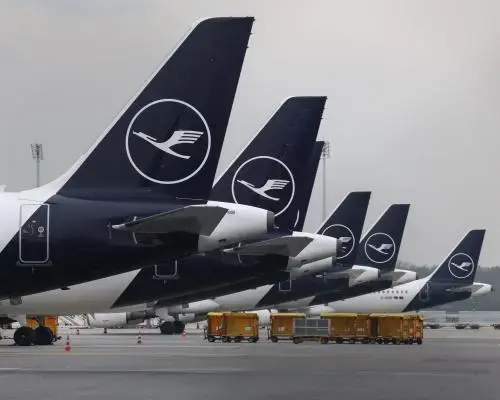
Regional Hubs Most Vulnerable
Europe’s regional airports could fail if jet fuel shortages worsen. The warning comes from the industry’s main trade group. Route cancellations, sparked by Middle East tensions, are the primary concern. This poses a significant threat to connectivity.
Latest news
 Swedish Voters Choose New Parliament as Left-Wing Coalition Projects to Win Majority
 Trump Announces End of US Tariff on Irish Whisky
 Frances Stonor Saunders, Author of CIA Cultural Espionage Exposé, Dies at 66
 Israel and Lebanon to Hold Security Talks in Rome This October
Airlines currently report no immediate fuel supply problems. They say supplies are adequate for the next four to six weeks. However, escalating conflict involving Iran and restricted airspace are creating uncertainty. These factors could quickly change the situation, impacting flight schedules across the continent.
Smaller airports rely heavily on consistent routes. They often lack the financial reserves to withstand prolonged disruptions. Major hubs can absorb losses more easily. Reduced passenger numbers due to cancellations would severely impact revenue. This could lead to airport closures and reduced regional access.
Could Alternative Fuels Offer Relief?
The industry body emphasized the potential for a domino effect. If airlines cut routes to smaller airports, it will reduce options for travelers. It could also hinder economic growth in those regions. The current situation is particularly worrying given the post-pandemic recovery efforts. Airports were just beginning to rebuild traffic.
Experts are exploring alternative fuel sources. Sustainable aviation fuel (SAF) is one option, but it’s currently expensive. Production levels are also limited. Widespread adoption requires significant investment and infrastructure changes. This isn’t a short-term solution to the immediate fuel supply concerns.
The conflict’s impact extends beyond fuel availability. Restrictions on airspace are forcing airlines to reroute flights. This adds to flight times and increases fuel consumption. The combined effect of these issues is putting significant pressure on the aviation industry. Airlines are monitoring the situation closely.
The long-term consequences could be severe. A shrinking network of regional airports would limit travel options. It could also negatively affect tourism and business travel. The industry needs proactive solutions to mitigate these risks. This includes diversifying fuel sources and strengthening supply chains.
Frequently Asked Questions
What is driving the potential fuel shortages? Escalating tensions in the Middle East, particularly involving Iran, are the main concern. Restrictions on airspace and potential disruptions to oil supplies contribute to the risk of shortages.
How are airlines responding to the situation? Airlines are closely monitoring the fuel supply. They are currently maintaining normal schedules. They are prepared to adjust routes if necessary.
What is the role of sustainable aviation fuel? SAF is a potential long-term solution. It is currently expensive and produced in limited quantities. Widespread use requires significant investment.