How Sun Power Softened the Impact of Russian Gas Cuts
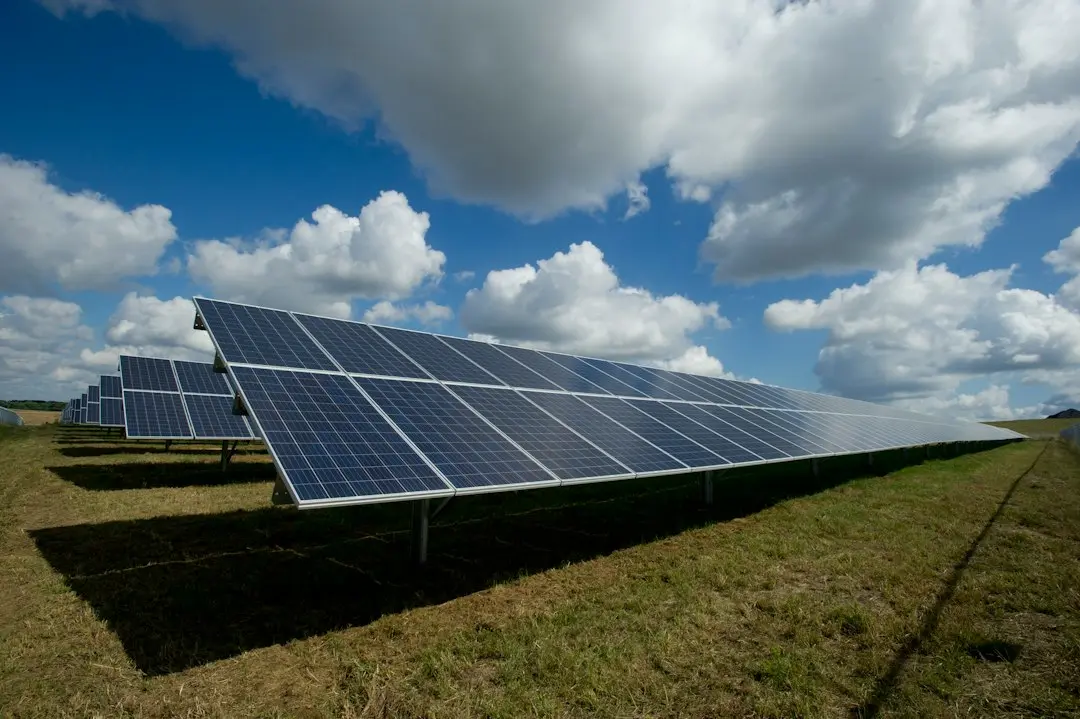
Solar energy has shielded European nations from extreme fossil fuel costs since Russia launched its full-scale invasion of Ukraine. New industry data shows that expanded solar capacity saved the European Union 37.4 billion euros in avoided gas imports. The rapid growth of renewable infrastructure significantly offset the loss of Russian pipeline gas across the continent.
Latest news
 Indonesia Finance Chief Signals He’ll Stay Neutral Amid Prabowo’s Economic Push
 International Space Station Considered for Nobel Peace Prize
 Israeli Prime Minister Claims Flydubai Pilot Is Omani, U.S. Considers Deploying 10,000 Troops
 Europe Sees Surge in Data Center Jobs as Digital Demand Spikes
European countries scrambled to secure alternative power supplies after the conflict broke out in early 2022. Skyrocketing natural gas prices threatened to plunge the region into a severe economic crisis. However, record-breaking installations of photovoltaic panels provided an immediate energy cushion, helping stabilize electricity markets during peak demand periods.
The surge in solar generation directly replaced vast quantities of imported fossil fuels. Individual households and large industries benefited from lower wholesale electricity costs during bright summer months. Floating solar farms, massive land arrays, and rooftop panels all contributed to a dramatic increase in clean power generation.
Can Renewable Growth Keep Electricity Prices Low?
Germany led much of the expansion, installing large-scale projects like floating arrays on lakes to maximize space. Other member states also accelerated their renewable energy permitting processes to bolster domestic production. This collective effort helped reduce the continent's reliance on volatile international fuel markets during a critical geopolitical crisis.
sustained investment in green technology remains essential to secure long-term European energy independence. Industry experts stress that grid modernizations and increased battery storage are necessary to handle future generation peaks. Without these upgrades, the continent risks wasting excess clean power during sunny periods.
The massive financial savings demonstrate the economic viability of the green transition. European leaders continue to push for higher renewable targets to insulate consumers from future supply shocks. Clean energy now forms the backbone of the region's strategy to achieve complete energy sovereignty.
Frequently Asked Questions
How much money did solar energy save the European Union? Expanded solar capacity saved the EU 37.4 billion euros by reducing the need for expensive natural gas imports. These savings accumulated after the start of the conflict in Ukraine.
Which solar technologies contributed to these savings? The savings came from a mix of rooftop installations, large ground-mounted arrays, and innovative projects like floating solar farms on lakes. Together, they replaced significant amounts of fossil fuel generation.
Why is grid modernization necessary for future solar growth? Modern power grids need upgraded infrastructure and battery storage to handle fluctuating renewable energy outputs. Without proper storage, electrical systems cannot fully utilize excess electricity generated during sunny days.