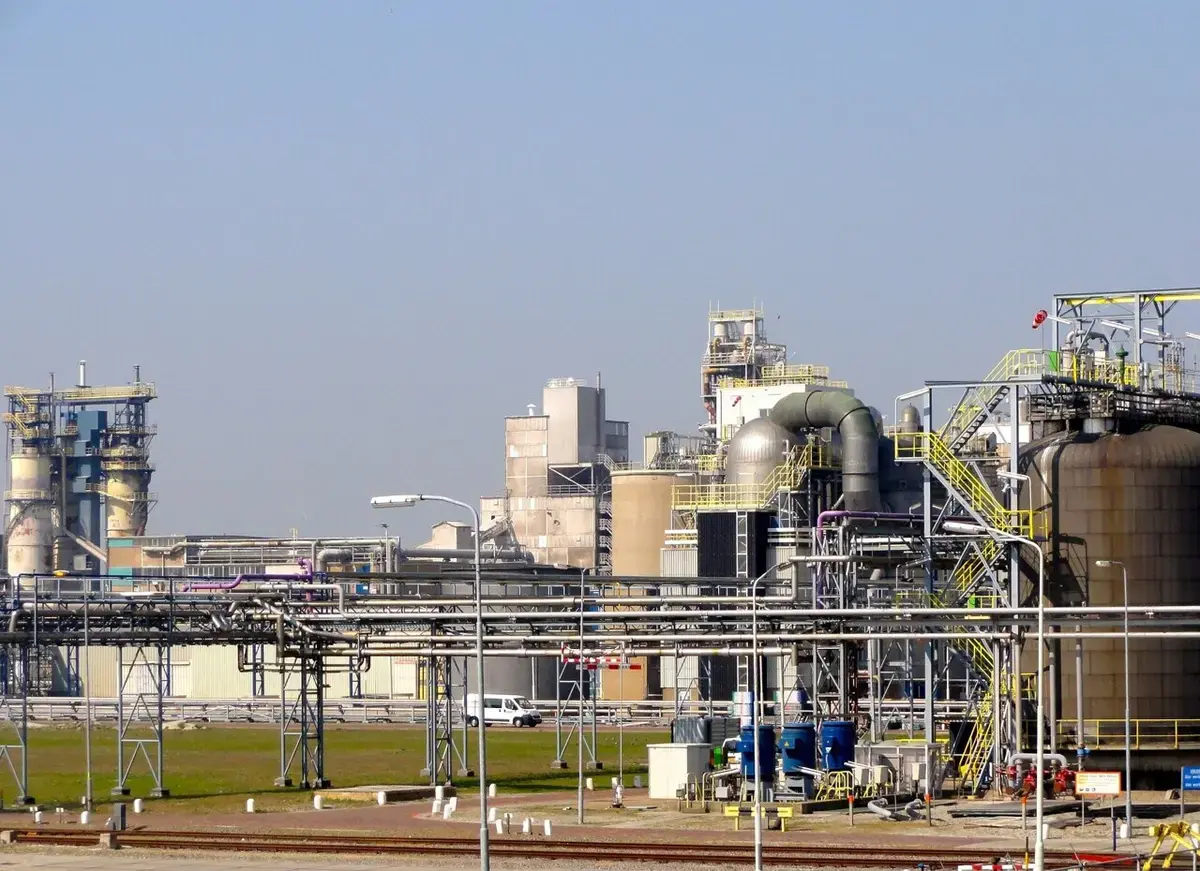
The Pivot Toward Sustainable Infrastructure
Escalating energy prices across the United States are currently acting as a significant drag on state-level economic productivity. Recent data indicates that as households and businesses grapple with higher utility bills, overall growth rates have begun to falter. In response, both public and private sectors are increasingly prioritizing long-term investments in energy efficiency to mitigate these financial pressures.
Latest news
 Swedish Voters Choose New Parliament as Left-Wing Coalition Projects to Win Majority
 Trump Announces End of US Tariff on Irish Whisky
 Frances Stonor Saunders, Author of CIA Cultural Espionage Exposé, Dies at 66
 Israel and Lebanon to Hold Security Talks in Rome This October
The economic strain is particularly visible in regions heavily reliant on traditional energy sources. When electricity and fuel costs spike, disposable income for consumers shrinks, leading to reduced spending in other sectors. Simultaneously, industrial operations face thinner profit margins, forcing many companies to scale back production or delay expansion plans. This trend creates a ripple effect, dampening the broader economic output of affected states.
To counteract these volatile market conditions, many states are accelerating their transition toward more efficient energy systems. Businesses are retrofitting facilities with advanced insulation, smart lighting, and high-efficiency machinery to lower monthly overhead. These capital expenditures are viewed as essential safeguards against future price shocks. By reducing total energy demand, organizations can insulate themselves from the unpredictable nature of global energy markets.
Can Efficiency Efforts Offset Market Volatility?
Government programs are also stepping in to incentivize these transitions. Tax credits and grants for energy-efficient upgrades are becoming more common as policymakers recognize the link between energy stability and economic health. These initiatives aim to modernize infrastructure while simultaneously lowering the carbon footprint of regional industries. The shift represents a fundamental change in how states approach long-term economic planning.
While investments in efficiency provide a buffer, they cannot entirely eliminate the risks posed by global energy markets. The immediate cost of upgrading technology remains a hurdle for smaller businesses with limited liquidity. However, the long-term savings associated with reduced consumption are increasingly outweighing the initial financial burden. Experts suggest that states which successfully integrate these efficiency measures will likely emerge with more resilient and competitive economies.
The outlook for the coming years remains tied to the pace of this energy transition. As states continue to modernize their grids and building codes, the reliance on volatile fossil fuel prices is expected to decrease. This structural shift is likely to stabilize regional economies over the long term. Ultimately, the current economic squeeze is acting as a powerful catalyst for a more sustainable and efficient industrial future.
Frequently Asked Questions
How do rising energy prices affect state economic output? Higher energy costs reduce the disposable income of households and shrink profit margins for businesses. This leads to decreased consumer spending and a slowdown in regional economic growth.
Why are companies investing in energy efficiency now? Businesses are prioritizing efficiency to lower their long-term operating costs and protect themselves from unpredictable price spikes. These investments act as a strategic hedge against future market volatility.
What role do state governments play in this transition? State governments are providing financial incentives, such as tax credits and grants, to encourage infrastructure upgrades. These policies help businesses and residents transition to more efficient energy systems.