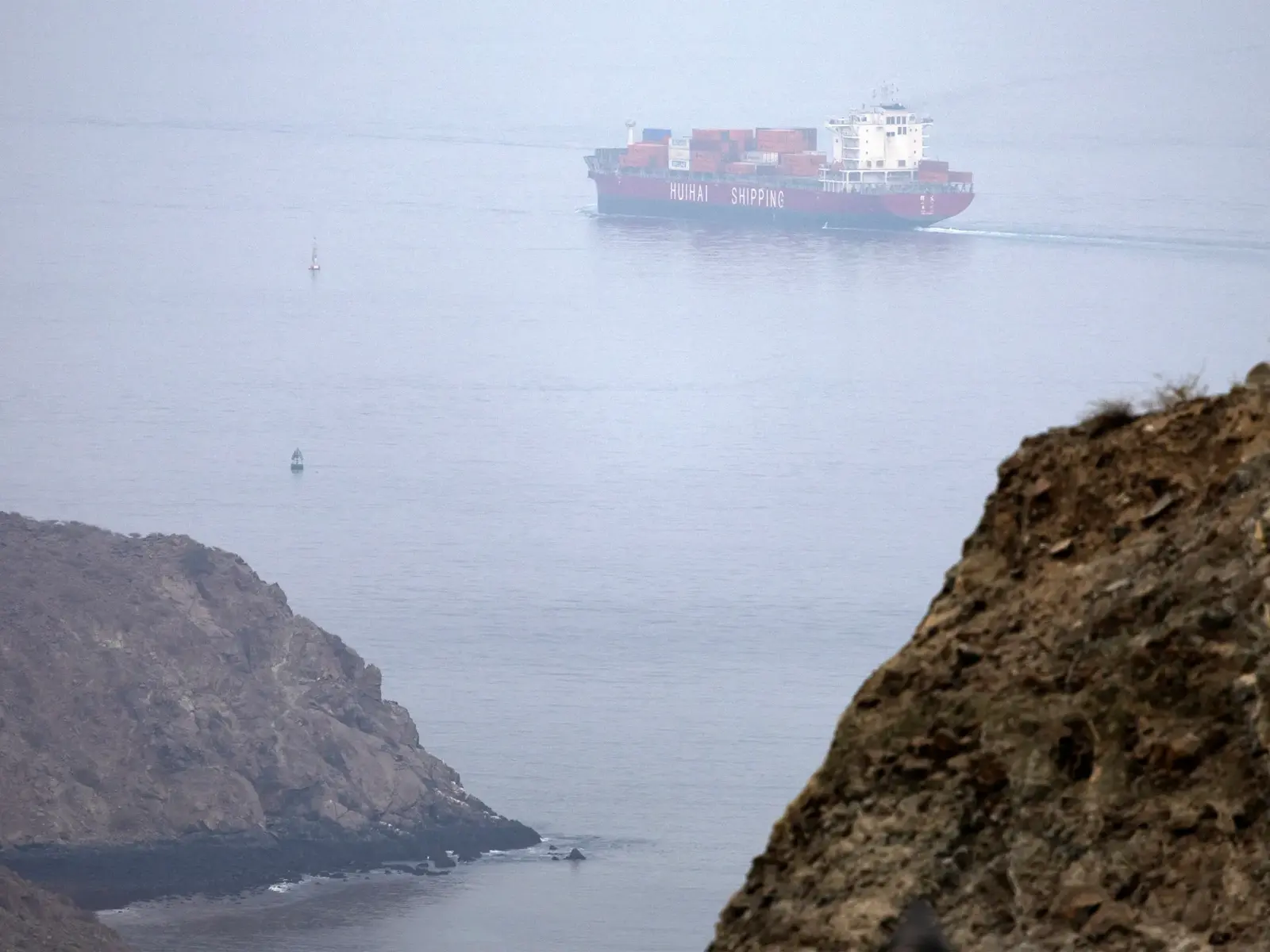
Escalating Maritime Confrontation
Iranian officials have vowed to maintain their aggressive posture against the United States until Washington concedes to their regional demands. This declaration follows a series of maritime incidents in the Strait of Hormuz, where multiple vessels have reportedly sunk. Global markets are reacting sharply as the conflict threatens critical international shipping lanes.
Latest news
 Escalating Crackdown Targets LGBTQ+ Individuals Across Senegal
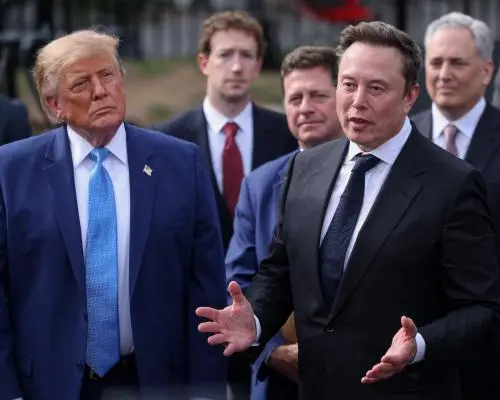 Elon Musk Hints at Washington Role in Starlink Limits
 Embryo Gene Editing Advances in Precision Amid Safety and Ethics Debate
 EU Summit Opens With Kaja Kallas’s Key Speech
Oil prices climbed rapidly following these escalations and reports of Houthi strikes targeting Saudi Aramco infrastructure. Tehran has signaled a shift in strategy, promising new, unconventional tactics to disrupt maritime traffic. The situation remains volatile as commercial vessels continue to transit the Gulf of Oman under heightened threat levels.
The conflict has moved beyond rhetoric, with physical damage to shipping assets becoming a primary concern for international trade. Observers note that the sinking of vessels in such a strategic choke point could have catastrophic effects on global energy supplies. Iran maintains that while it does not desire an open-ended war, it will not retreat until its core conditions are met by the American administration.
Will International Diplomacy De-escalate the Crisis?
Military analysts are closely monitoring the movement of cargo ships, such as the Chinese-flagged Hui Fa, which remains active in the region. The combination of drone strikes on energy facilities and direct challenges to naval supremacy suggests a multi-front campaign. Tehran appears determined to leverage its geographical advantage to force a diplomatic breakthrough on its own terms.
The path toward a peaceful resolution remains obscured by the hardening positions of both Tehran and Washington. Western powers are struggling to balance the need for secure shipping lanes with the risk of triggering a larger regional conflagration. Without a significant shift in communication, the cycle of retaliation is likely to intensify, further destabilizing the Middle East.
Market experts warn that sustained instability in the Strait of Hormuz will lead to prolonged price volatility for global commodities. As long as the threat of maritime sabotage persists, insurance premiums for shipping companies will continue to rise. The international community now faces the difficult task of preventing a localized conflict from spiraling into a broader global crisis.
Frequently Asked Questions
What is the primary goal of the recent Iranian threats? Iran aims to force the United States to accept its regional demands by disrupting critical maritime shipping lanes and energy infrastructure.
How are global markets responding to the situation? Oil prices have experienced a significant increase due to the heightened threat of conflict and the potential for supply chain disruptions in the Gulf.
Are commercial vessels still operating in the region? Yes, ships continue to transit the area, though they face extreme risks from the ongoing military tactics and strikes occurring near the Strait of Hormuz.