The Mechanics of Industrial Overreach
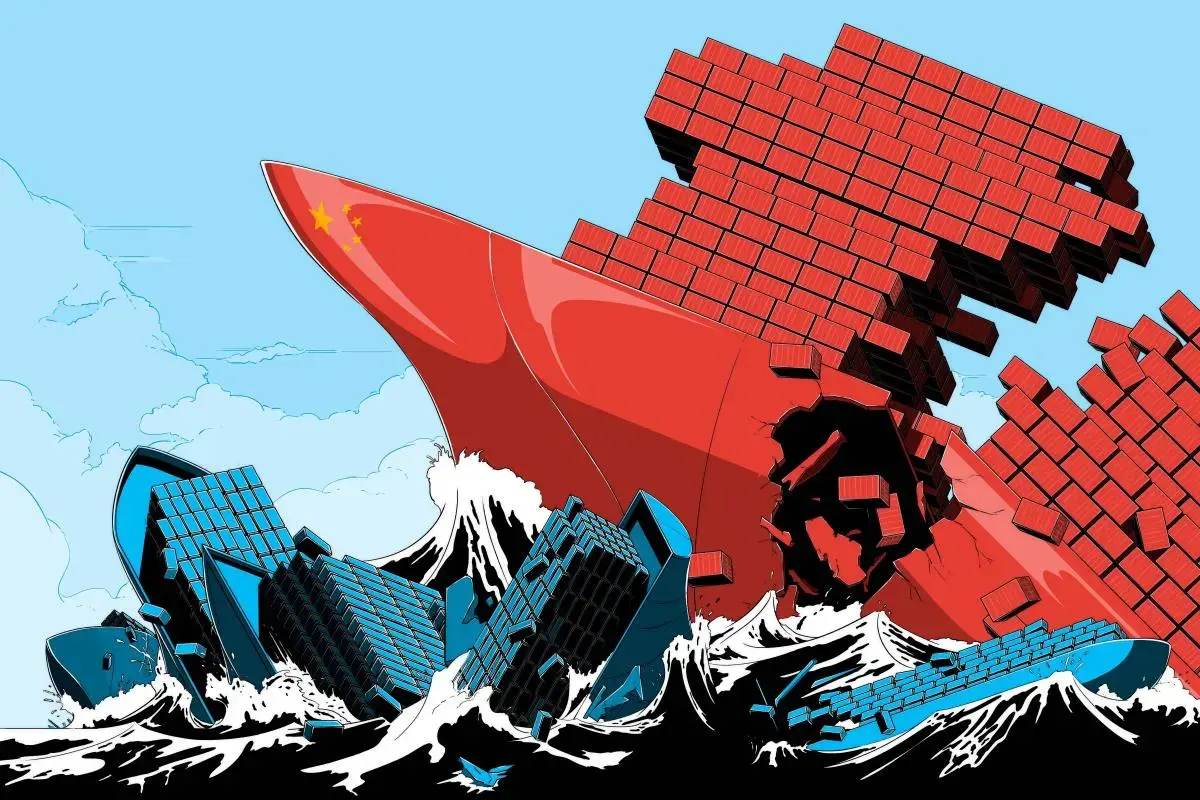
Global financial markets face a growing threat as China’s industrial sector grapples with massive overcapacity. Experts warn that Beijing’s aggressive push into manufacturing could trigger a worldwide economic crisis. This situation stems from a deliberate strategy to dominate global supply chains, potentially destabilizing international trade and domestic economies across the West by late 2026.
Latest news
 Swedish Voters Choose New Parliament as Left-Wing Coalition Projects to Win Majority
 Trump Announces End of US Tariff on Irish Whisky
 Frances Stonor Saunders, Author of CIA Cultural Espionage Exposé, Dies at 66
 Israel and Lebanon to Hold Security Talks in Rome This October
China is currently producing far more goods than its internal market can consume. To clear these stockpiles, manufacturers are flooding international markets with low-cost products. This surge suppresses prices globally, making it nearly impossible for foreign competitors to remain profitable. The strategy mirrors historical patterns where industrial imbalances eventually lead to severe market corrections.
The current crisis is built on heavy state subsidies and massive capital investment in sectors like electric vehicles and advanced electronics. By prioritizing production volume over market demand, China has created a structural imbalance. These policies force other nations to choose between protecting their own industries or accepting a flood of cheap imports.
Can Global Trade Survive a Protectionist Shift?
As these goods saturate the market, profit margins for international companies are evaporating. This trend threatens to shutter factories in Europe and North America, leading to significant job losses. The global economy is becoming increasingly fragile as it relies on a Chinese model that prioritizes state-led output over sustainable consumer demand.
The inevitable response to this industrial dumping is a rise in protectionism. Governments are already considering higher tariffs and stricter trade barriers to shield their workers. If major economies engage in a trade war, the resulting friction could stifle growth and disrupt essential supply chains. The world may soon face a period of prolonged volatility as nations struggle to decouple from China’s influence.
Frequently Asked Questions
The outlook remains grim if Beijing continues its current path. Without a shift toward domestic consumption, the excess supply will continue to destabilize global pricing. Investors should prepare for potential market shocks as the disparity between production capacity and actual global demand reaches a breaking point.
Why does China’s overcapacity affect the rest of the world? When China produces more than it can sell, it exports the surplus at very low prices. This forces other countries to lower their own prices, which hurts local businesses and leads to widespread unemployment.
What is the most likely outcome of this economic tension? Many experts expect a significant rise in global protectionism. Nations will likely implement new trade barriers and tariffs to prevent their domestic industries from collapsing under the pressure of cheap imports.