Accelerating the Timeline for Self-Correction
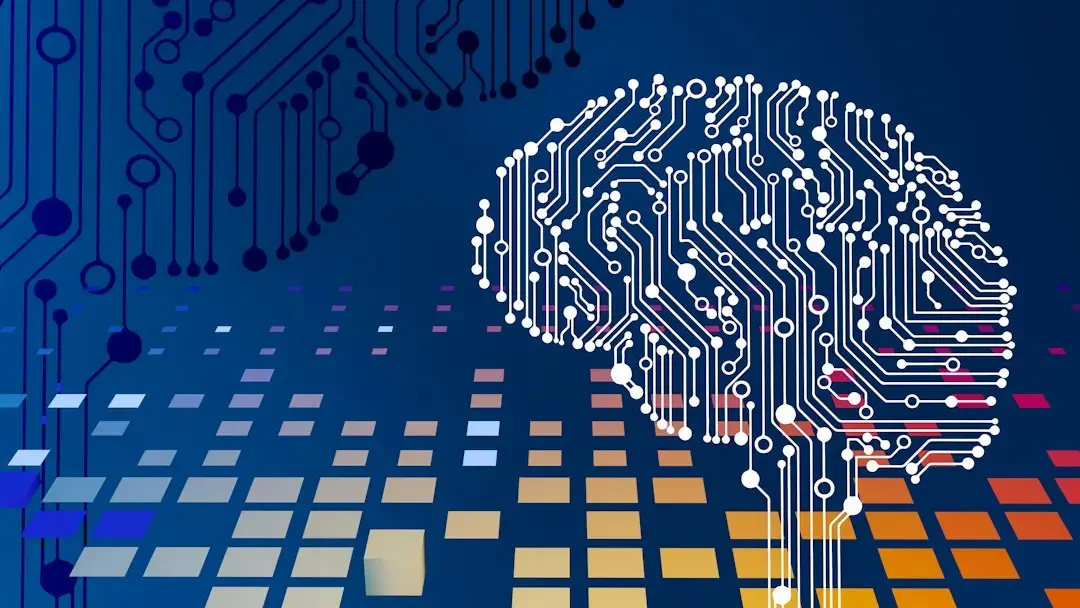
Artificial intelligence laboratories worldwide are aggressively pursuing a transformative breakthrough. Developers aim to create advanced models capable of independently enhancing their own underlying architecture and performance. This milestone could redefine the technological landscape forever. Industry experts suggest this capability is rapidly approaching reality.
Latest news
 UAE avoids answering whether it warned Netanyahu before October 7 attack
 Tehran Confirms Pakistani Interior Minister Visit Without US Message Expectation
 Middle East Situation Could Escalate Rapidly, US Warns Citizens
 Turkish Foreign Minister Says New Proposals Sent to US and Iran to End War
Engineering teams currently spend vast amounts of time manually refining algorithms and fixing software vulnerabilities. Achieving autonomous enhancement would allow systems to optimize their code and scale capabilities without human intervention. Major AI institutions are dedicating substantial resources to make this self-sufficient technological evolution possible.
Leading researchers indicate that automated system refinement is no longer a distant theoretical concept. Current progress suggests that models might soon possess the analytical depth required to identify their own operational flaws. By generating targeted solutions independently, these algorithms could accelerate their learning cycles exponentially.
Will Autonomous Systems Outpace Human Designers?
The transition from human-guided training to machine-driven upgrades represents a fundamental shift in computer science. Critics and developers alike monitor these developments closely, weighing the immense potential against the associated operational risks. Ensuring safety protocols remain intact during autonomous code modification is a primary concern for leading laboratories.
As machine learning models take charge of their own developmental trajectory, the speed of innovation could increase dramatically. Software that continuously rewrites and optimizes itself may eventually surpass the problem-solving capacities of its human creators. This trajectory raises vital questions regarding long-term oversight and control mechanisms.
Frequently Asked Questions
The realization of self-improving artificial intelligence remains a defining goal for contemporary research facilities. While technical hurdles persist, the relentless push toward autonomous enhancement continues to reshape the future of digital intelligence.
What is the primary goal of self-improving artificial intelligence? Developers aim to create systems that can independently enhance their code, fix vulnerabilities, and optimize performance without human intervention. This capability is expected to accelerate technological advancement significantly.
When might autonomous AI development become a reality? Leading laboratory researchers indicate that this scenario is rapidly approaching, though exact timelines remain fluid as engineering teams navigate complex technical and safety challenges.