Legislative Backdoor Secures Trade Continuity
A hidden clause in the new federal funding package extends the African Growth and Opportunity Act through 2028. This legislative move secures a key trade preference program for sub-Saharan nations. The provision was tucked into broader budget measures approved by Congress this week. It addresses a critical gap in executive trade strategy.
Latest news
 Swedish Voters Choose New Parliament as Left-Wing Coalition Projects to Win Majority
 Trump Announces End of US Tariff on Irish Whisky
 Frances Stonor Saunders, Author of CIA Cultural Espionage Exposé, Dies at 66
 Israel and Lebanon to Hold Security Talks in Rome This October
The extension grants eligible African countries continued duty-free access to the United States market. Thousands of goods benefit from this preferential treatment. The law originally aimed to boost economic ties between the US and the continent. By renewing it, lawmakers ensured the program does not lapse during a period of political uncertainty. The White House had signaled its desire to maintain these specific trade channels.
The inclusion of this provision demonstrates a strategic legislative maneuver. Lawmakers embedded the renewal within a larger financial package. This approach allowed the measure to pass without facing a standalone vote. It bypassed potential hurdles in the Senate or House floor debates. The tactic highlights how complex trade policies often survive through omnibus bills.
Does This Deal Align With Executive Priorities?
The African Growth and Opportunity Act serves as a vital economic bridge. It lowers barriers for exporters in regions like East and West Africa. Products ranging from textiles to agricultural items gain competitive advantages. The extension provides stability for businesses relying on these tariff exemptions. Investors can plan long-term operations knowing the legal framework remains intact. This continuity supports job creation in participating African economies.
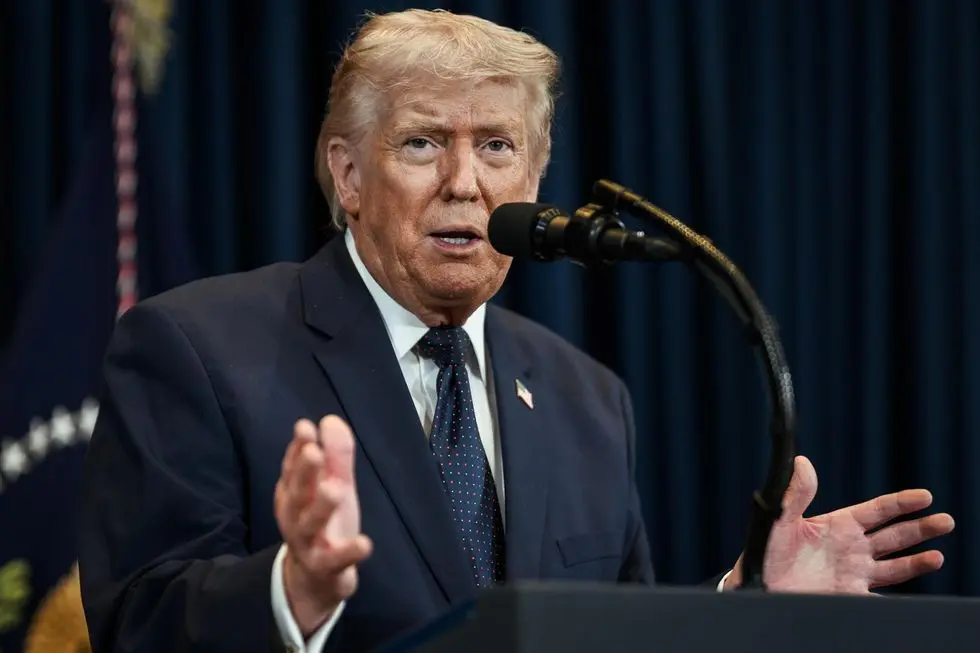
The move directly answers the administration's need for a supportable trade agreement. President Trump has historically favored bilateral deals over multilateral frameworks. However, maintaining existing preferences helps stabilize global supply chains. The provision satisfies both domestic producers and foreign partners. It offers a tangible achievement for the White House to highlight. Critics might argue it lacks the depth of new negotiations. Yet, it prevents immediate disruption to established trade flows. The administration gains a concrete policy win without extensive renegotiation.
The renewal sets the stage for future diplomatic engagements. African nations can now focus on maximizing their exports under current rules. The United States retains leverage in upcoming trade discussions. This foundation allows for deeper integration into the global economy. The next few years will test the effectiveness of these extended terms. Economic indicators from partner countries will determine the program's ultimate success.
Frequently Asked Questions
How long does the new extension last? The provision extends the African Growth and Opportunity Act until the end of 2028. This adds two years to the previous timeline. It ensures uninterrupted trade benefits for eligible participants.
Which countries benefit from this change? Eligible sub-Saharan African nations receive the primary advantage. They gain duty-free market access for thousands of goods. The specific list of qualifying products remains unchanged from prior iterations.
Why was this included in a funding package? Lawmakers used the budget bill to ensure passage. Embedding the clause avoided a separate, potentially contentious vote. This method streamlined the legislative process significantly.