
Sanctions Create Friction in Bilateral Trade
President Donald Trump has launched a new wave of economic pressure against Tehran, aiming to force concessions through aggressive sanctions. This strategy, often described as an economic deadline, seeks to isolate Iran financially. However, experts warn that this approach could unintentionally strain diplomatic ties between Washington and Beijing. The timing of these measures creates immediate tension in global trade dynamics.
Latest news
 TIME Names First-Ever Executives of the Year in Technology and Data
 Marco Rubio Spotted With Banned Media Outlets Days After Trump’s Ban
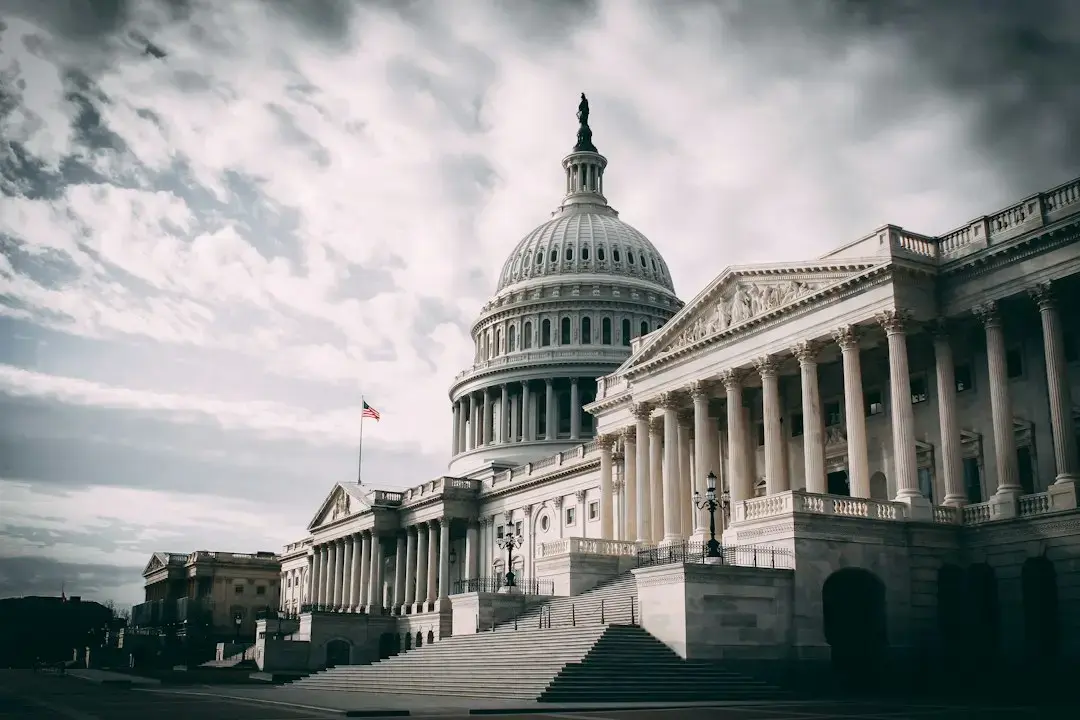 Washington signals readiness to meet Tehran at the United Nations
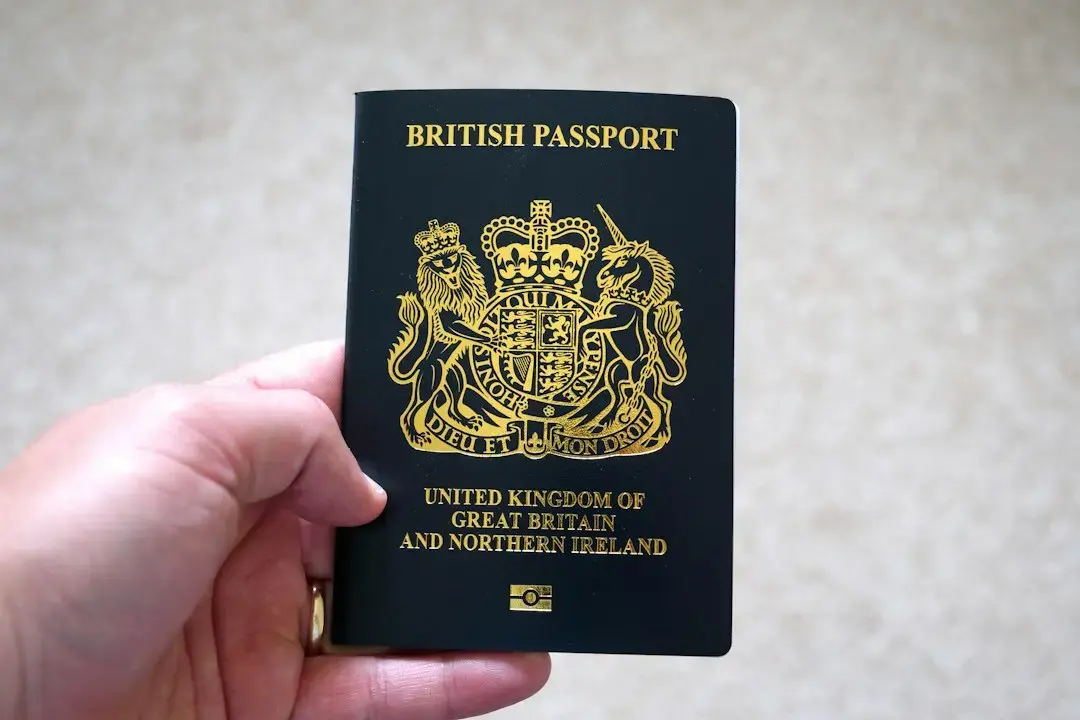 British banks urge caution on West Bank settlement projects before funding ban kicks in
The primary concern lies in the potential for a broader commercial conflict. While the United States targets Iranian assets, China remains a significant partner in Tehran’s economic ecosystem. Beijing supports Iranian infrastructure and energy projects, making it difficult to separate the two economies entirely. Consequently, strict enforcement of US sanctions may force Chinese firms to choose sides, potentially triggering retaliatory trade measures. Analysts suggest that this friction could escalate into a wider dispute over global trade rules.
The mechanism of these sanctions involves freezing assets and restricting financial transactions. Chinese companies operating in Iran face heightened compliance risks under US law. To avoid penalties, many firms are adjusting their operational strategies. They are reducing direct exposure or seeking alternative payment channels. This shift disrupts established supply chains and investment flows. The uncertainty surrounding enforcement adds complexity to negotiations between the two major powers. Diplomats on both sides are working to clarify the boundaries of acceptable economic activity.
Will Beijing Retaliate Against Washington?
The core question is whether China will respond aggressively to protect its interests in the region. Historical patterns suggest that Beijing often counters US pressure with targeted tariffs or regulatory hurdles. A formal trade war would impact sectors beyond energy, including technology and manufacturing. Both nations rely heavily on each other for key components and markets. A prolonged standoff could lead to higher costs for consumers worldwide. Furthermore, the instability might encourage other nations to seek new alliances. The geopolitical landscape is shifting rapidly as these economic levers are pulled.
The outlook remains uncertain but tense. If the economic pressure yields results, the crisis may pass without lasting damage. However, if tensions persist, the relationship between the world’s two largest economies could suffer long-term effects. Markets are closely monitoring developments for signs of escalation. Investors are bracing for volatility in currency and commodity prices. The coming months will determine whether this strategic move strengthens US leverage or weakens its global standing. Diplomatic channels remain open, but trust is fragile. The stakes extend far beyond the Middle East, touching every corner of the international economy.
Frequently Asked Questions
How do US sanctions affect Chinese businesses? Chinese firms face increased compliance burdens when dealing with Iranian partners. They must navigate complex legal requirements to avoid secondary penalties. This often leads to reduced investment or altered payment methods.
Is a full trade war likely? A full-scale war is not guaranteed, but the risk is significantly elevated. Targeted retaliatory measures are more probable than a comprehensive breakdown. Both sides prefer managed competition over total conflict.
What role does oil play in this dynamic? Oil is a critical component of the economic exchange between the three nations. Sanctions targeting energy exports directly impact Chinese refineries and suppliers. This makes the energy sector a focal point of the dispute.