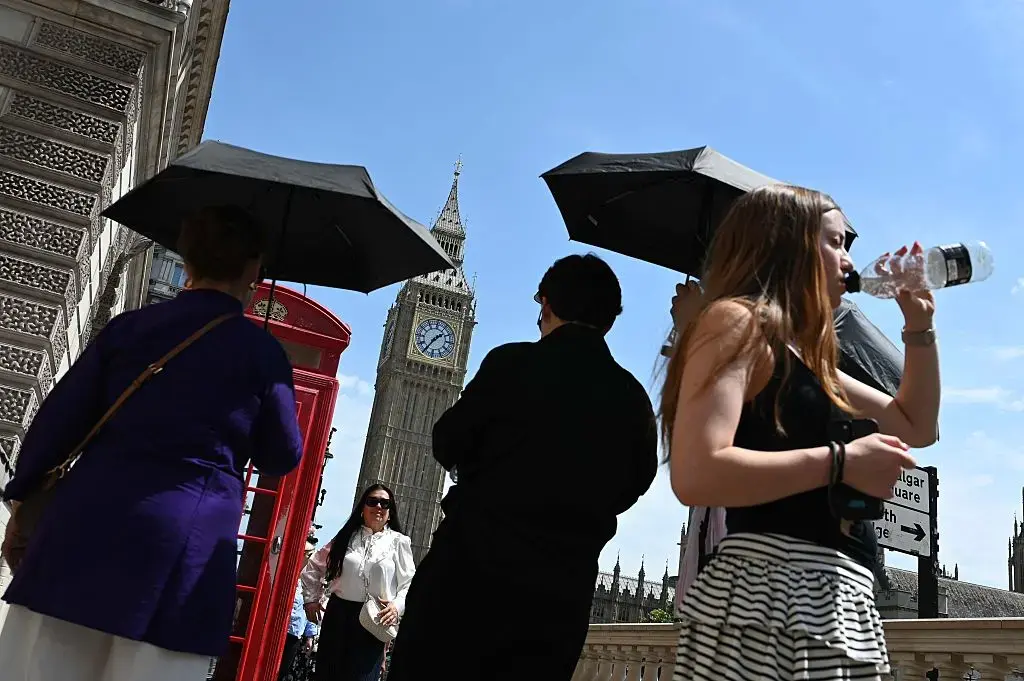
Economic Toll of Record Temperatures
On June 26, 2026, scorching temperatures swept across London and much of the United Kingdom, breaking long‑standing June heat records. Researchers from Grant have calculated that the extreme weather may have erased more than £1 billion ($1.33 billion) from the nation’s economic output.
Latest news
 Swedish Voters Choose New Parliament as Left-Wing Coalition Projects to Win Majority
 Trump Announces End of US Tariff on Irish Whisky
 Frances Stonor Saunders, Author of CIA Cultural Espionage Exposé, Dies at 66
 Israel and Lebanon to Hold Security Talks in Rome This October
The analysis links the loss to reduced productivity, higher energy consumption, and disruptions in transport and retail sectors. Experts argue that the findings underscore the financial risk of climate‑driven heat events and highlight the need for proactive adaptation strategies.
The study estimates that businesses suffered an average output decline of 0.4 % during the heatwave, amounting to roughly £250 million in lost revenue for the manufacturing sector alone. Retail outlets reported a 12 % drop in foot traffic as shoppers avoided outdoor markets during peak heat hours. Energy providers faced a surge in demand, pushing electricity prices up by 5 % and adding further strain to household budgets.
„Heat extremes are no longer rare anomalies; they are becoming a regular feature of the UK climate,” said Dr. Amelia Hughes, a senior economist at Grant. „When temperatures soar, workers experience fatigue, and supply chains strain, leading to measurable economic damage.”
Can Adaptation Measures Reduce Future Losses?
Transportation networks also felt the impact. Rail services reported a 7 % increase in delays, while road congestion rose sharply as drivers sought shade or avoided highways. These disruptions added an estimated £150 million in indirect costs, according to the report.
Policymakers are now debating whether investment in climate‑resilient infrastructure could curb such economic hits. The report suggests that spending on cooling centers, heat‑resilient building designs, and upgraded power grids could offset up to 30 % of projected losses over the next decade.
„Adaptation is not a luxury; it is a fiscal imperative,” argued Sir James Whitaker, a member of the UK Climate Council. „Every pound spent on mitigation today can save multiple pounds in avoided economic damage tomorrow.”
However, critics warn that short‑term budget constraints may delay implementation. They call for a clear cost‑benefit analysis to prioritize projects that deliver the highest return on investment, such as urban greening and heat‑smart zoning.
Frequently Asked Questions
The June heatwave serves as a stark reminder that climate volatility can erode national productivity. As the UK confronts increasingly frequent hot spells, the balance between immediate expenditures and long‑term savings will shape its economic resilience.
What caused the £1 billion economic loss? The loss stemmed from reduced worker productivity, higher energy bills, and disruptions in transport and retail, all triggered by unprecedented June temperatures.
Which sectors were hardest hit? Manufacturing, retail, and transportation recorded the steepest declines, with manufacturing losing £250 million and transport delays adding another £150 million in costs.
How can adaptation reduce future losses? Investing in cooling infrastructure, heat‑resilient construction, and upgraded electricity networks can mitigate productivity drops and protect critical services, potentially cutting future losses by a third.