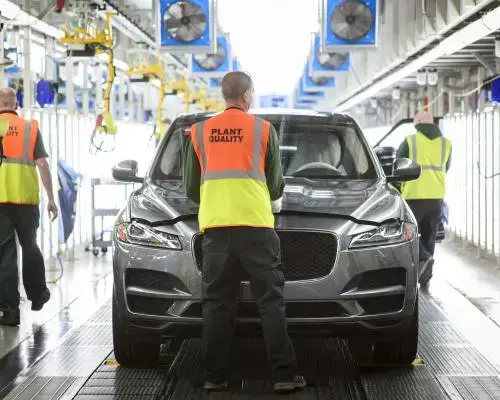
How Duplicate Testing Drains National Income
The United Kingdom faces an estimated annual trade deficit of up to £6.5 billion with the European Union. This significant financial gap stems from inadequate product regulations that force manufacturers to repeat costly testing processes. The IPPR think tank recently highlighted this issue in its latest analysis of post-Brexit trade dynamics. Many businesses are now struggling to maintain their competitive edge in the single market.
Latest news
 Gaza Residents Face Upcoming Israeli Elections With Deep Concern and Little Hope
 Court Orders White House to Reinstate Media Credentials
 Elif Eralp Aims to Become Berlin's First Turkish‑Origin Mayor
 Pentagon spending hits historic one trillion dollar mark for first time ever
The core problem lies in the lack of mutual recognition for product standards. British firms must often undergo duplicate testing to meet both domestic and EU requirements. This administrative burden increases operational costs and slows down time-to-market strategies. Consequently, the economic friction discourages smaller enterprises from entering the lucrative European market. The resulting inefficiency drains resources that could otherwise support innovation and growth.
The IPPR study reveals that non-compliance with streamlined testing standards costs the UK economy 0.18% of national income annually. This figure represents a substantial drain on public and private sector finances. Companies report that the complexity of navigating two separate regulatory frameworks creates a significant barrier to entry. As a result, many firms have abandoned efforts to sell directly to EU customers. Others have established subsidiaries within Europe to bypass these hurdles entirely. These structural changes alter the landscape of British manufacturing and export capabilities.
Can Regulatory Alignment Restore Lost Revenue?
The think tank argues that a formal agreement with Brussels could resolve this impasse. Such a deal would allow manufacturers to discard redundant product testing protocols. By aligning key safety and quality standards, both sides could reduce bureaucratic overhead. This alignment would streamline supply chains and lower prices for consumers. The current situation forces businesses to choose between maintaining separate operations or accepting higher costs. Neither option is ideal for long-term economic health.
Experts suggest that restoring trade flows requires more than just tariff reductions. It demands deep technical cooperation on product certification and compliance. Without this foundational trust, the full potential of UK-EU commerce remains untapped. The £6.5 billion estimate serves as a clear metric for the value of lost opportunity. Policymakers must weigh the political benefits of independence against the tangible economic losses. The data indicates that the status quo favors stagnation over expansion.
Looking ahead, the outcome depends on the willingness of both parties to negotiate. A successful framework would integrate testing bodies and recognize equivalent safety certifications. This move could reverse the trend of companies setting up parallel European structures. Ultimately, the goal is to make the UK a more attractive hub for global manufacturing. The path forward requires decisive action to bridge the regulatory divide before further trade erodes.
Frequently Asked Questions
How much does the UK lose annually due to testing rules? The UK loses up to £6.5 billion in potential EU exports each year. This loss is attributed to the need for duplicate product testing under current regulations.
What percentage of national income does this cost represent? The inefficiency accounts for 0.18% of the UK's total national income. This metric highlights the broader economic impact of fragmented standards.
Why have some companies stopped selling to the EU? Many firms have quit selling to the EU because the administrative burden is too high. Others have created separate European entities to manage compliance independently.